• How Does an Airless Paint Sprayer Work Step by Step

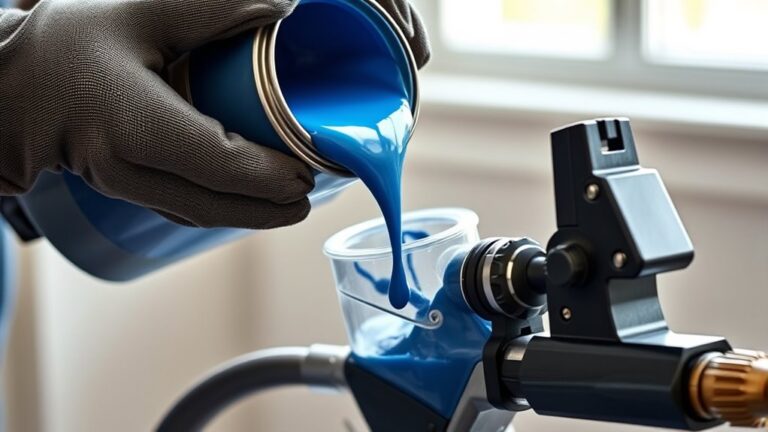
    You start by filtering and pouring paint into the sprayer, then securely connect and prime the pump until paint flows smoothly.

    The sprayer pressurizes the paint between 1,500–3,000 PSI, forcing it through a tiny tip that atomizes it into a fine mist with a fan-shaped pattern.

    Hold the gun 12-18 inches away, spray perpendicularly, and use steady, overlapping strokes for even coverage.

    Keep this technique consistent, and you’ll achieve a flawless finish. There’s more to explore about optimizing your results.
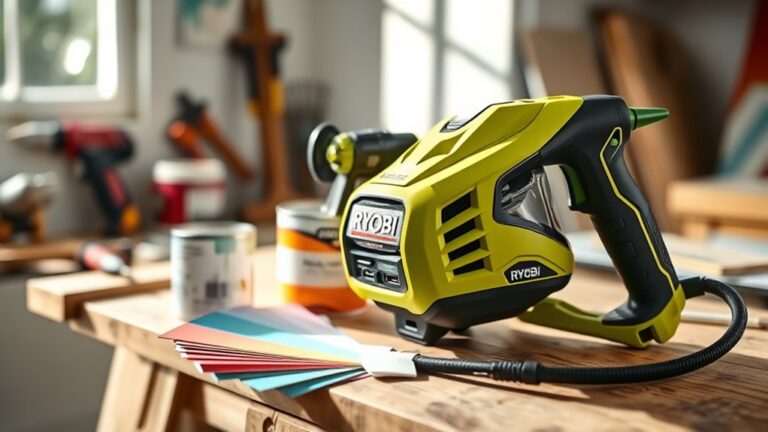

  • Does Ryobi Make a Paint Sprayer and How to Choose One

    Yes, Ryobi makes cordless paint sprayers designed to work with their 18V One+ batteries. This gives you freedom and extended use without cords.

    When choosing one, pick the right nozzle size—ranging from 1.0mm to 3.0mm—and spray pattern (vertical, horizontal, circular) based on your project type. Look for models with adjustable flow controls for precise coverage.

    You’ll also want to follow proper maintenance steps to keep it running smoothly and efficiently. Keep exploring to find out how to get the best results.

  • Do You Need to Thin Paint for a Sprayer and How to Do It

    You usually need to thin paint for a sprayer to keep it flowing smoothly and avoid clogging or uneven coverage. For water-based paints, add about 10% water until it reaches a pancake batter consistency.

    Use mineral spirits or specific thinners for oil-based paints instead. Always start with small amounts and test the spray pattern on a scrap surface, adjusting as needed.

    If you want tips on choosing the right thinner and perfect thinning techniques, keep exploring. It’s easier than it sounds once you get the hang of it!

  • How to Prime a Wagner Paint Sprayer in 7 Easy Steps

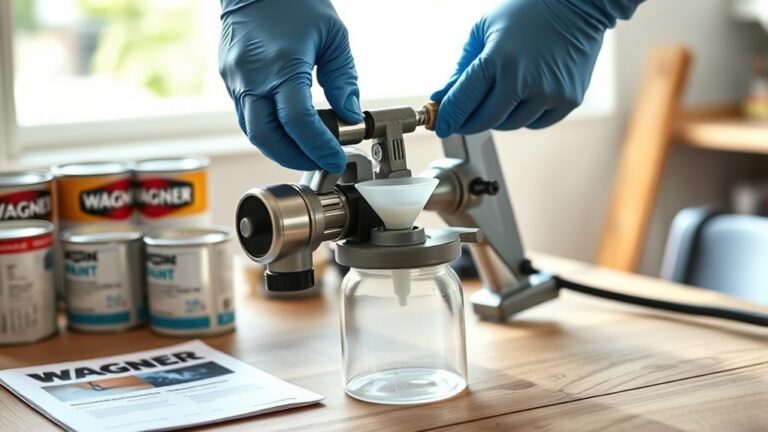
    To prime your Wagner paint sprayer, start by assembling the nozzle, container, and hose securely. Then thin your paint with water for smooth flow and fill the container without overfilling.

    Set the spray pattern and fluid control to your desired settings. Power on the sprayer, hold it near a test surface, and spray until the paint flows evenly without splatters.

    Adjust flow and pressure for consistent coverage. Keep going to uncover more tips for a flawless finish.

  • How to Clean Out a Paint Sprayer in 5 Simple Steps

    To clean out a paint sprayer, first release any leftover paint at low pressure by gently squeezing the trigger while pointing the wand down.

    Next, wipe down all exterior parts with a damp cloth to remove splatters and dust. It’s pretty straightforward.

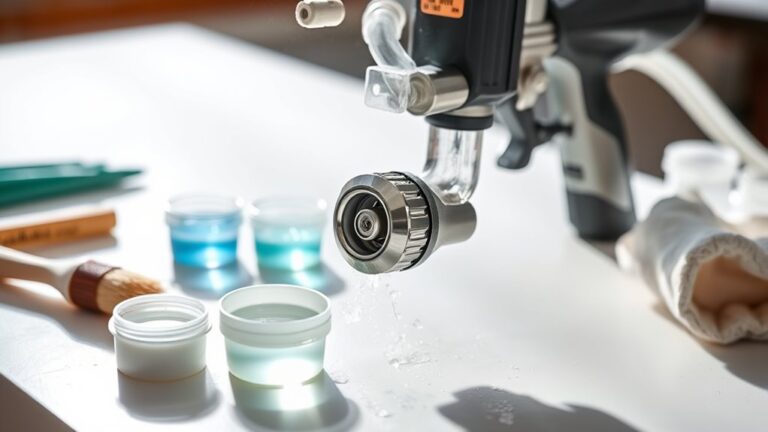
    Then flush the hoses and spray tip with clean water or cleaning fluid until it runs clear. This part helps get rid of any paint stuck inside.

    Pressurize the system briefly to clear debris inside. You don’t need to do this for long, just enough to push everything out.

    Finally, remove and soak the spray tip, scrubbing any dried paint away before storing. This keeps your sprayer ready for next time.

    Keep going to discover detailed tips for each step. Trust me, it makes the whole process easier!

  • 7 Tips for Using a Paint Sprayer Inside Safely

    When using a paint sprayer indoors, make sure you ventilate the area well to avoid fumes and wear protective gear like gloves and goggles.

    Prepare surfaces by cleaning and masking thoroughly to protect floors and fixtures. Choose a low-pressure sprayer designed for indoor use and keep your spraying technique steady for even coverage.

    Also, manage electrical safety by unplugging devices and clearing trip hazards. Finally, clean your equipment immediately after use to keep it in good shape.

    You can explore these tips further to guarantee a safe, professional finish every time.

  • Do You Have to Thin Paint for a Wagner Sprayer?

    Yes, you do have to thin paint for a Wagner sprayer to guarantee smooth application and avoid clogging the nozzle. Thinning helps maintain the right paint viscosity, allowing for consistent flow and even coverage.

    For water-based paints, about 10% water is common, while oil-based types need thinner or mineral spirits added gradually. Proper thinning also reduces splatter and sputtering, making your finish look professional.

    Keep going to discover how to get the perfect spray every time.

  • How You Use Any Paint in a Paint Sprayer

    To use any paint in a paint sprayer, you first need to strain and thin it as recommended, ensuring it flows smoothly without clogging.

    Set up your sprayer by attaching the turbine and filling the cup. Then, adjust the nozzle and spray pattern to suit your project.

    Keep the sprayer at least six inches from the surface for even coverage.

    After use, clean and maintain the sprayer for peak performance.

    Keep going to discover tips on perfect setup and care.

  • 5 Easy Tips to Clean a Clogged Paint Sprayer

    If your paint sprayer shows uneven spray or reduced flow, you’ve likely got a clog. First, lock the trigger and rotate the spray tip to test different spray patterns.

    Next, remove the tip and filters, soaking them in the correct solvent—mineral spirits for oil-based, warm water for water-based paint. Use a soft brush to clear buildup, rinse thoroughly, and dry.

    Ultimately, clean your filters regularly to prevent future blockages. Keep going to uncover more ways to keep your sprayer in top shape.

  • How Much Does It Cost to Rent a Paint Sprayer?

    You can expect to pay between $60 and $125 per day to rent a paint sprayer, with electric models usually around $75 daily.

    Weekly rentals offer better value, typically ranging from $240 to $500.

    Keep in mind extra costs like cleaning, delivery, and damage waivers can add up.

    Renting makes sense for short jobs, but buying might save you money if you paint often.

    There’s more to ponder before making your choice.