
Do You Need to Thin Paint for a Sprayer and How to Do It
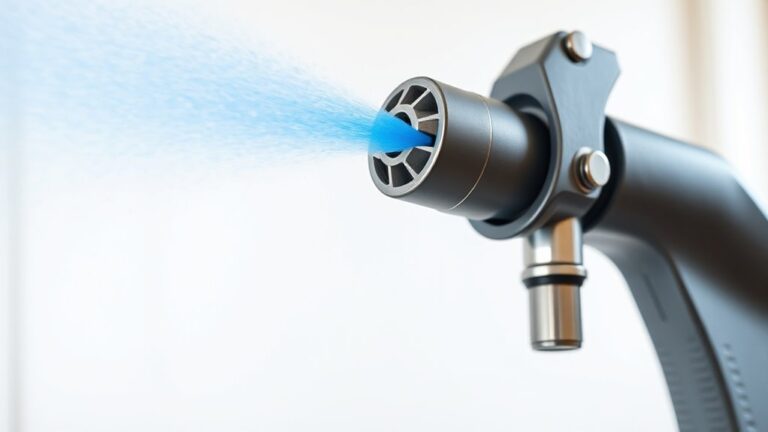
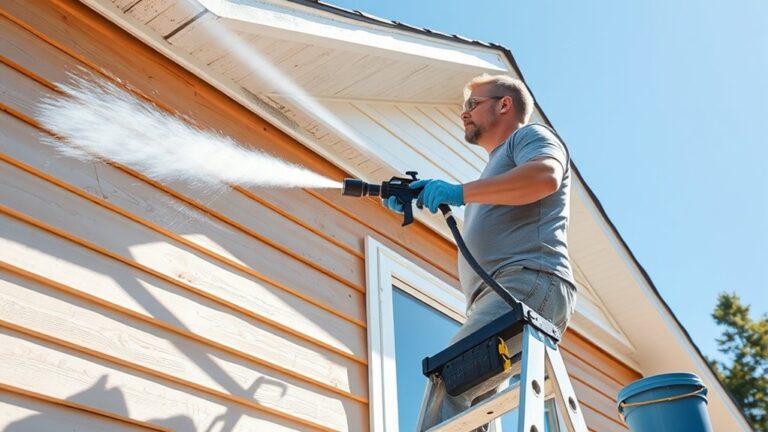
You usually need to thin paint for a sprayer to keep it flowing smoothly and avoid clogging or uneven coverage. Thinning paint helps ensure a consistent spray pattern, which is essential for a professional-looking finish. Without thinning, the paint can be too thick and cause splattering or block the sprayer nozzle.
For water-based paints, add about 10% water until it reaches a pancake batter consistency. This makes the paint easier to spray and helps it dry evenly.
On the other hand, oil-based paints require mineral spirits or specific thinners to achieve the right texture.
Always start with small amounts and test the spray pattern on a scrap surface, adjusting as needed. This way, you avoid wasting paint and can fine-tune the thickness for the best results.
If you want tips on choosing the right thinner and perfect thinning techniques, keep exploring.
Key Takeaways
- Thinning paint is often necessary to prevent clogging and ensure smooth flow through the sprayer for an even finish. It helps the paint spray more evenly and avoid those annoying blotchy spots.
- Use water for thinning water-based paints and appropriate solvents for oil-based paints, following manufacturer recommendations. Always check what kind of thinner works best with your paint type.
- Start by adding about 10% thinner, mixing until the paint reaches a pancake batter-like consistency. That’s usually the sweet spot for good spraying.
- Test spray on a scrap surface and adjust thinning if the spray pattern is uneven or causes drips. This way, you can tweak the mix before working on your actual project.
- Proper thinning improves atomization, prevents blotchy coats, and enhances the overall quality of the paint job. It’s a simple step that makes a big difference in the final look.
When and Why to Thin Paint for Spraying

When should you thin paint for spraying? You need to thin paint primarily to ensure your paint sprayer works efficiently and delivers a smooth finish.
Thin paint to keep your sprayer working smoothly and achieve a flawless finish.
If you’re using water-based paint, diluting it with water often helps achieve a consistency that flows well through the spray gun. This prevents clogging and promotes an even spray pattern.
Some spray guns, like certain Graco models, don’t require thinning, so always check the manufacturer’s recommendations.
If the paint is too thick, you’ll struggle with blotchy coats of paint and uneven coverage. Proper thinning usually means mixing paint to about the thickness of pancake batter—roughly 10% thinner—though testing is essential.
Choosing the Right Thinning Agent for Your Paint

Although thinning paint is essential for smooth spraying, choosing the right thinning agent depends on the type of paint you’re using. For water-based paints, water is usually the best thinning agent, while oil-based paints require mineral spirits or specialized thinners.
Always check the manufacturer’s instructions to confirm the proper thinning agent and ratios. Achieving the right paint consistency is key—often similar to pancake batter—for your spray gun, like a Wagner Detail Finish.
Keep in mind, adding too much thinning agent can reduce adhesion and durability, so start with small amounts and test spray on a sample surface. Since different paints and spray guns may need varying thinning agents, following these guidelines helps you get the best finish without compromising your project.
Step-by-Step Guide to Properly Thinning Paint

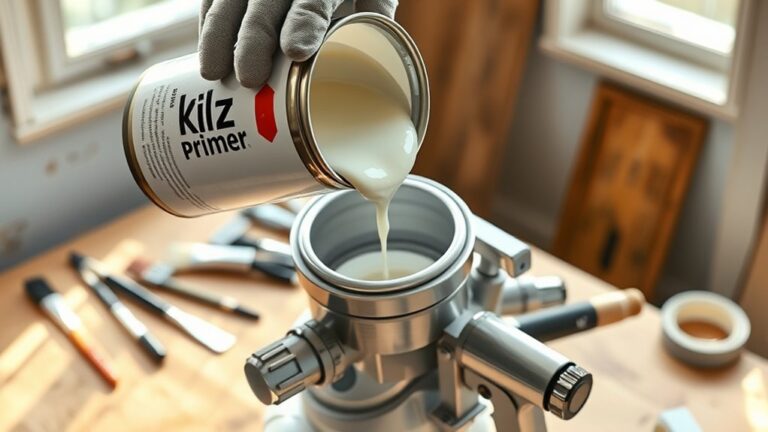
Getting the right paint consistency for your sprayer starts with careful thinning. Begin by adding small amounts—about 10%—of water for water-based paint or the recommended thinner for oil-based paint into a clean container.
Mix thoroughly until the paint reaches a smooth, pancake batter-like consistency. Next, perform a test spray on a scrap surface to check the spray pattern. If the pattern is uneven or you notice drips, adjust the thinning ratio accordingly.
Always follow the manufacturer’s guidelines during thinning paint to maintain ideal performance. This step-by-step approach ensures your paint flows smoothly through the sprayer, resulting in a flawless finish without clogging or overspray issues.
Proper thinning balances consistency and spray pattern for the best results. It really makes a difference in how your final project turns out!
Frequently Asked Questions
What Paint Sprayers Do Not Require Thinning Paint?
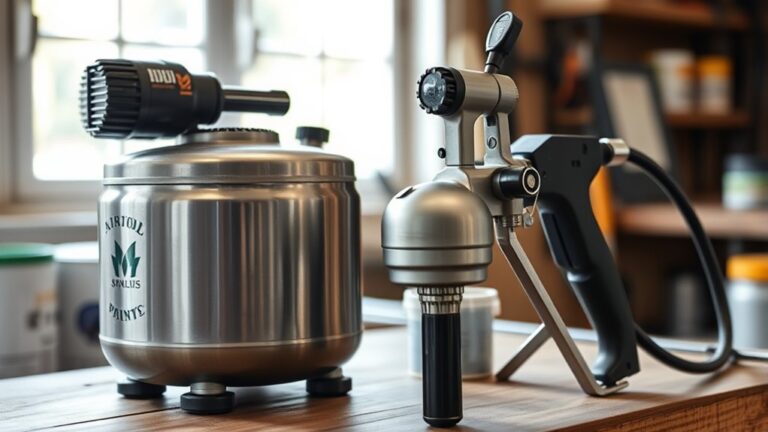
You don’t need to thin paint when using high-quality HVLP sprayers like Wagner FLEXiO or professional Graco airless sprayers. These models handle thicker paints well, so follow your sprayer’s instructions to guarantee ideal results.
Using these sprayers makes the job easier because they’re designed to work with paint straight from the can. Just remember to check your sprayer’s manual for any specific guidelines. This way, you get a smooth finish without the hassle of mixing or thinning.
What Is the Proper Mixture to Thin Paint for a Spray Gun?
You should thin paint with about 10-15% water for water-based paints or mineral spirits for oil-based ones. Stir well, strain, then test the spray pattern to make certain of smooth flow and avoid clogs.
It’s pretty straightforward, but it really helps to get the consistency just right. If the paint is too thick, it won’t spray evenly, and if it’s too thin, you might end up with drips or a weak finish. So, take your time adjusting it and testing before you start your project.
Can You Put Normal Paint in a Sprayer?
Yes, you can put normal paint in a sprayer, but you might need to dilute it depending on your sprayer type.
Test the flow first, then adjust the consistency to avoid clogging and ensure a smooth spray. It’s a good idea to start slow and see how the paint behaves in your specific sprayer.
Can Paint Be Too Thick for a Sprayer?
Thick paint can be like trying to sip soup through a straw—it clogs sprayers and causes sputtering.
You’ll want to thin it to a pancake batter consistency for smooth, even spraying without frustrating jams.
Conclusion
You might think thinning paint is just extra hassle, but skipping it can clog your sprayer and ruin your finish. On the flip side, thinning paint properly makes your job smoother and your results flawless.
Don’t let thick paint slow you down or damage your equipment. Instead, take a few simple steps to thin it right—you’ll save time, avoid frustration, and get a professional-looking coat every time.
Thinning paint for a sprayer isn’t just a nice-to-have; it’s essential. It helps the paint flow evenly, prevents clogging, and ensures a smooth application. So next time you’re prepping to spray, remember that thinning paint correctly can make all the difference in your project’s success. It’s a small effort with big rewards.


2 Comments