

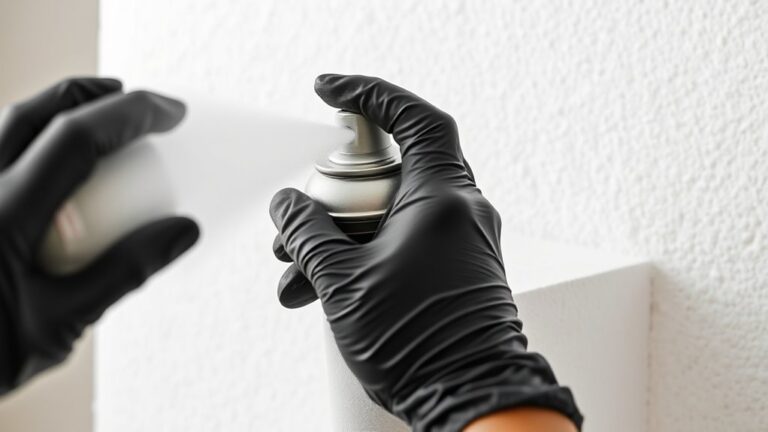
To spray paint Styrofoam without damage, you’ll want to choose spray paints labeled safe for foam, such as acrylic-based or Designmaster products. Avoid regular enamel or latex sprays, which can melt the surface.
Hold the can 6–12 inches away and apply light, even coats in short bursts, letting each layer dry before the next. This prevents bubbling or dissolving.
Keep your spray can moving...

You usually need to thin paint for your Wagner sprayer to prevent clogging and guarantee a smooth, even coat.
For water-based paints, start with about 2 tablespoons of water per half jar, stirring well and straining out debris. Adjust gradually to avoid sputtering and test spray on a scrap surface for best results.
Thin coats also help reduce texture issues like orange peel. Keep going to...

To spray paint stainless steel, start by thoroughly degreasing the surface to remove oils and dirt. Lightly dull it with fine-grit sandpaper or a Scotch-Brite pad to help the primer stick.
Choose a high-quality primer made for stainless steel and apply a thin, even coat, letting it dry completely. Then, spray multiple thin layers of paint with smooth, overlapping strokes, keeping the spray 6–12...

To use paint safely in your Wagner stain sprayer, start by wearing gloves, goggles, and a mask. Also, prepare your workspace with good ventilation and protective coverings.
Set up the sprayer by securely attaching the nozzle, filling the reservoir, and adjusting the flow rate for even coverage. It's a good idea to test spray on scrap material to avoid drips.
After you're done, make sure to...

To spray paint silk flowers safely and effectively, start by cleaning and drying them thoroughly. Make sure to remove any unwanted leaves or petals.
Next, protect the stems with painter’s tape. It’s best to work in a well-ventilated area outdoors for safety.
Hold the spray can about 6-12 inches away from the flowers. Apply multiple light coats, letting each one dry completely before adding...

To spray paint shoes, start by cleaning them thoroughly and removing any gloss with nail polish remover. Stuff the shoes with paper to keep their shape and tape off areas you don't want painted.
Use light, even strokes holding the spray can about 6 to 8 inches away, applying multiple thin coats. After painting, let them dry fully, then seal with a clear coat for durability.
Keep your...
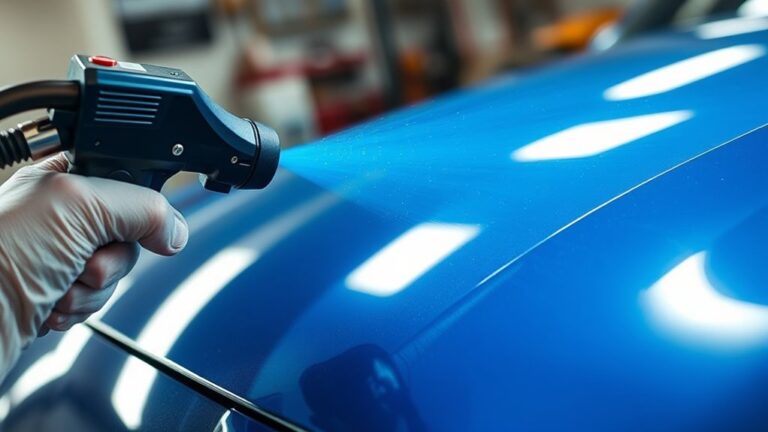
You can paint a car using a Graco airless sprayer by first prepping the surface—clean, sand, and mask it to avoid overspray.
Start by adjusting your sprayer’s pressure low at first, then increase it for an even spray pattern with the right tip size.
Apply multiple thin coats of primer, basecoat, and clearcoat, keeping a consistent 12-inch distance to prevent runs.
Keep your technique...

To spray paint shingles, start by thoroughly cleaning your roof with a mold and mildew cleaner diluted with water. Then rinse it off and let it dry completely.
Make sure to remove any loose debris and double-check that the surface is fully dry. This helps the paint stick better and last longer.
Use a sprayer held about 12-18 inches away from the shingles. Spray in overlapping sections...

To spray paint rubber, start by cleaning the surface thoroughly with mild soap and water to remove dirt and oils. Then, let it dry completely.
Shake your primer can well, hold it 6-12 inches away, and apply thin, even coats. Allow each coat to dry about 30 minutes before applying the next.
Next, use the same spraying technique with your paint. Apply multiple thin coats and let them dry...