• How to Paint a Ceiling With a Sprayer in 5 Easy Steps

    To paint your ceiling with a sprayer, first clear dust and patch holes for a smooth surface. Then, protect furniture and floors.

    Next, set up your sprayer—prime it and test the spray pattern on scrap. You want an even, 12-inch-wide fan at about 12 inches distance.

    Adjust the pressure between 1500-2000 PSI to get consistent coverage. Spray steadily with overlapping passes to avoid missed spots.

    Once you’re done, inspect for any areas you might’ve missed. Touch up as needed after the paint dries.

    Keep going to discover tips for a flawless finish. You’ve got this!

  • How You Can Spray Wood Stain With a Paint Sprayer

    To spray wood stain with a paint sprayer, first stir your stain thoroughly and transfer it to a clean container. Use a spray gun tip sized around 1.3 for general work and start with low air pressure and stain flow.

    Keep your sprayer moving steadily and maintain a consistent distance to avoid lap marks. Wipe off any excess stain immediately to prevent blotches.

    Once you master these basics, you’ll be ready to explore ways to refine your technique for an even smoother finish. It’s all about practice and finding what works best for your project.

  • 5 Places to Rent a Paint Sprayer

    You can rent a paint sprayer from local equipment rental stores, hardware and home improvement centers like Home Depot, specialized tool rental companies, online rental platforms, and painting supply shops. These options offer various sprayer types, rental periods, and support to match your project size and skill level.

    Whether you need a high-capacity airless sprayer or a smaller electric model, these sources have you covered. Keep exploring to find the best fit for your painting job.

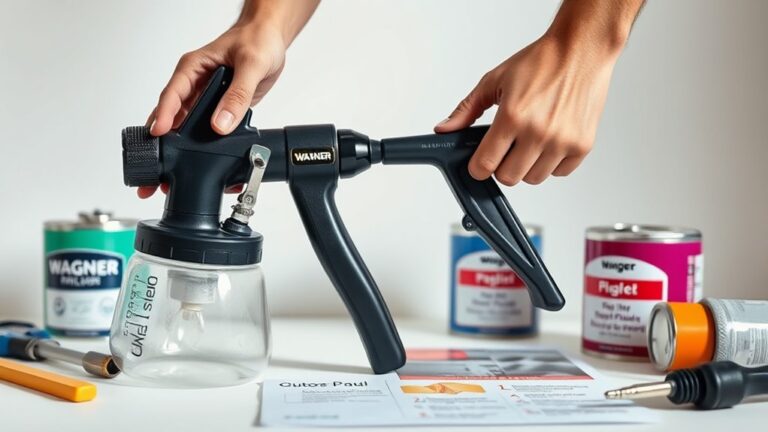
  • How to Use a Wagner Paint Sprayer in 10 Easy Steps

    To use a Wagner paint sprayer in 10 easy steps, start by unboxing and inspecting all parts. Then, assemble the nozzle and attach the paint container securely.

    Next, prepare and thin your paint correctly. Test its viscosity to ensure a smooth application.

    Adjust the spray pattern and settings to your preference. Secure your project before you start spraying.

    Spray with even, consistent strokes for the best coverage. Don’t rush it—take your time.

    After you’re done, clean the sprayer thoroughly. Finally, disassemble and store it properly.

    Keep going to discover detailed tips for best results!

  • How to Use a Paint Sprayer to Apply Stain Step by Step

    To use a paint sprayer for staining, start by cleaning and drying your fence thoroughly. Set up your sprayer with the right tip and adjust pressure for smooth, even spray.

    Hold it about 12 inches from the wood, moving steadily along the grain with overlapping passes to avoid streaks. After spraying, let the stain dry fully before removing coverings and touching up missed spots.

    Keep your sprayer clean and maintained to guarantee top results. Keep going for tips on prepping and finishing your project perfectly.

  • What Is an Airless Paint Sprayer and How to Use It

    An airless paint sprayer uses a powerful pump to pressurize paint and spray it without compressed air. This gives you a smooth, even finish quickly.

    To use it, tighten all connections first, then choose the right nozzle for your job. Next, prime the system and adjust the pressure before you start spraying.

    It’s great for large surfaces and saves a lot of time compared to brushes or rollers. If you want to paint efficiently and get professional results, learning how it works and some handy tips can really help.

  • 10 Factors That Affect How Much It Costs to Rent a Paint Sprayer

    You control paint sprayer rental costs by choosing the right type and brand, rental duration, and needed features. High-quality models or extra accessories raise fees, while longer rentals often lower daily rates.

    Seasonality affects prices—expect higher costs in spring and summer. Your project size influences how long you’ll rent, and additional fees like delivery and insurance add up.

    Keeping equipment maintained also matters. Understanding these factors helps you budget smarter and get the best deal.

  • How to Clean an Airless Paint Sprayer in 7 Easy Steps

    First, turn off and unplug your sprayer, then depressurize it by triggering until no pressure remains. Disconnect hoses and carefully remove any excess paint.

    Wipe down all exterior surfaces to prevent buildup. Next, flush the system with water or a recommended cleaning fluid, pressurize, and run until residue clears.

    Clean the tip and filters thoroughly. Finally, fill with storage fluid and store in a dry, heated spot.

    Keep going to uncover detailed tips for each step.

  • How You Put Wood Stain in a Paint Sprayer

    To put wood stain in a paint sprayer, first stir it well and strain out any lumps. Then, thin the stain gradually with water, acetone, or alcohol until it flows smoothly.

    Pour it carefully into your sprayer, avoiding air bubbles. Use a small spray tip around 1 mm and adjust the air pressure for even coverage.

    Keep your distance steady and overlap passes for the best results. Stick around to explore how to fine-tune your technique for a flawless finish.

  • How to Thin Paint for a Sprayer in 5 Simple Steps

    To thin paint for a sprayer, first check its consistency by dipping a stick and watching the drip rate. Next, pick the right thinner—water for latex or mineral spirits for oil-based paints.

    Add the thinner slowly, about 10-15%, mixing thoroughly each time. Then, test the paint’s viscosity with a cup or spray sample to ensure smooth flow.

    Finally, strain the paint to remove lumps before spraying. Keep going, and you’ll find tips to accomplish the perfect finish every time.