Day: September 11, 2026

  • 5 Tips You Need to Know to Spray Paint in the Cold

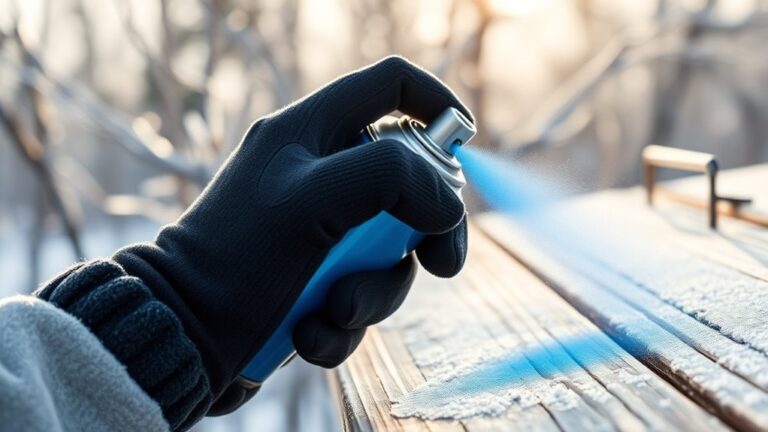
    To spray paint in the cold, start by thoroughly cleaning and sanding your surface for better paint grip. Use a cold-weather primer to improve adhesion and prevent peeling.

    Keep both your spray paint and item warm until you’re ready to apply. Spray in short bursts, then bring the item indoors after each coat to avoid freezing and runs.

    Let your painted item dry inside with good ventilation to guarantee proper curing. Stick around to uncover more detailed tips for flawless results.

  • 10 Easy Steps to Set Up Your Airless Paint Sprayer

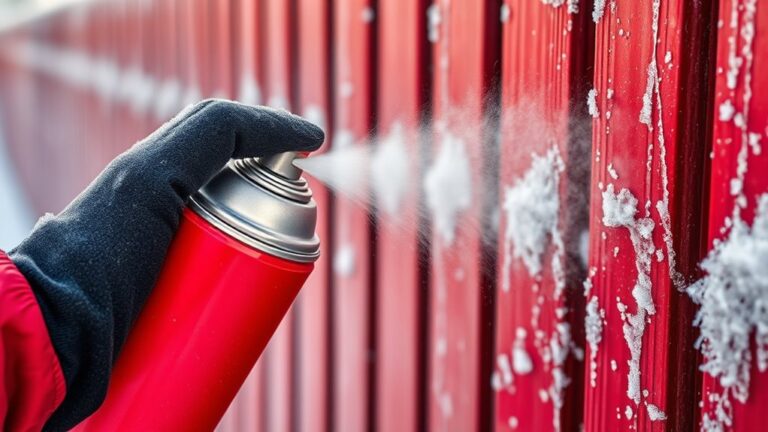
    Before you start, turn off and unplug your airless paint sprayer for safety. Attach the paint hose securely, then connect the spray gun to the hose.

    Install the spray guard and tip, making sure everything’s tight. Prepare and strain your paint for smooth flow.

    Next, prime the pump at low pressure. Flush the paint through the system, and slowly increase pressure to achieve the perfect spray pattern.

    Stick with these basics, and you’ll soon master every detail for a flawless finish.

  • Can You Spray Paint in Cold Weather?

    You can spray paint in cold weather, but you need to take extra care. Cold slows drying, causes poor adhesion, and may leave a dull or rough finish.

    To get good results, keep paint and surfaces warm. Paint in short bursts, and dry the project indoors where it’s warmer than 50°F. Avoid painting below freezing to prevent damage.

    If you want to nail the process despite cold conditions, some key prepping and technique tips will help you succeed.

  • How You Spray Paint Glazed Ceramic Step by Step

    Start by thoroughly cleaning your glazed ceramic with soap and water to remove dirt and grease. Lightly sand the surface using 120-grit sandpaper to create a rough texture for better paint adhesion, then wipe away the dust and let it dry fully.

    Next, apply a primer made for glazed ceramics and allow it to dry completely. When you spray paint, do it in light, even coats from about 12-16 inches away to avoid drips.

    Keep going to uncover tips for a flawless finish and lasting durability. You’ll be surprised how easy it is to transform your glazed ceramic with just a little patience!

  • 5 Easy Steps to Use an Airless Paint Sprayer for Interior Walls

    Start by preparing your room—cover floors and furniture, tape edges, and clean walls thoroughly.

    Next, set up your sprayer, choosing the right tip for large or small areas. Use smooth, steady strokes about 1 to 1.5 feet from the surface for even coverage.

    Switch to the extension wand for big walls and remove it for tight spaces. Finish walls before painting ceilings to avoid drips.

    Keep going to uncover tips for perfect spray techniques and efficient setups.

  • How You Spray Paint Glass Vases Step by Step

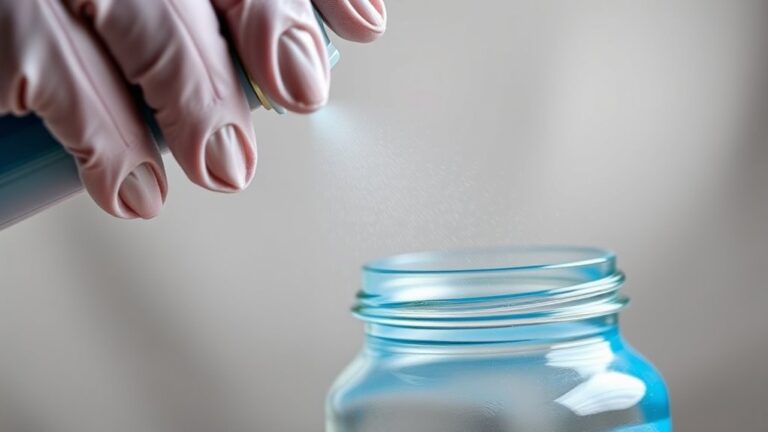
    To spray paint glass vases, start by cleaning the vase with rubbing alcohol to remove dirt and oils. Then, mask the interior with a plastic bag.

    Shake the spray paint can well and hold it 8-12 inches from the surface. Apply several light, even coats using smooth, circular motions.

    Make sure to let each coat dry fully before applying the next one. Using a consistent distance helps avoid drips and ensures good coverage.

    Keep going to discover tips for a flawless finish and safety. It’s easier than you might think once you get the hang of it!

  • How You Can Use Acrylic Paint in a Paint Sprayer

    You can use acrylic paint in a paint sprayer by thinning it with water at about a 10:1 ratio for smooth flow and sprayability. Make sure to blend it well and test on a scrap surface first.

    Set your sprayer with a 2.0 mm aircap and keep the spray fan narrow, around 8 inches, holding the gun 6-8 inches from your surface. Steady, even strokes ensure an even coat.

    Keep going, and you’ll uncover tips for a flawless finish.

  • How You Spray Paint Glass Step by Step

    To spray paint glass, start by cleaning it thoroughly with rubbing alcohol to remove dust and oils. Shake your glass-specific spray paint can well and hold it about 12 inches away, applying several light, even coats with sweeping motions.

    Let each coat dry before the next, and use stencils for patterns if you like. Finish with a clear top coat for durability.

    Keep going, and you’ll uncover tips to get a flawless, long-lasting finish every time.