


You shouldn’t leave paint in your airless sprayer for more than 24 hours without cleaning it. Water-based paints dry faster and can clog your equipment, while oil-based paints might cause corrosion or seal damage if left too long.
To keep your sprayer in good shape, clean it promptly or use storage fluids and seal components. Understanding how paint type and storage time affect your sprayer...

You start by sanding your cabinets lightly and cleaning them thoroughly to remove dust and grease. Tape off areas you don’t want painted and cover nearby surfaces carefully.
Next, adjust your sprayer with the right nozzle and strain your paint to avoid clogs. Apply several thin coats of primer and paint, letting each dry fully between layers.
Clean your sprayer regularly for smooth results...
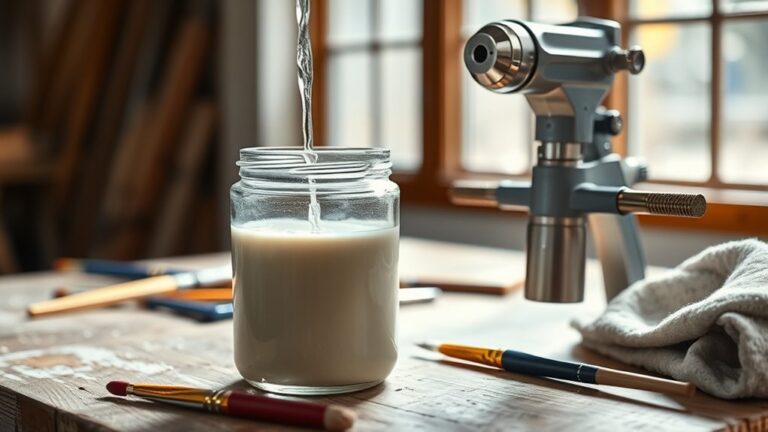
To thin chalk paint for spraying, start by transferring a small amount into a clean container. Add about 1/2 teaspoon of water per 1/3 cup of paint, stirring thoroughly after each addition.
Keep adding water gradually until the paint is smooth, lump-free, and flows evenly when you lift the stir stick. Test the flow to make sure it sprays without splattering or clogging.
Follow these steps...
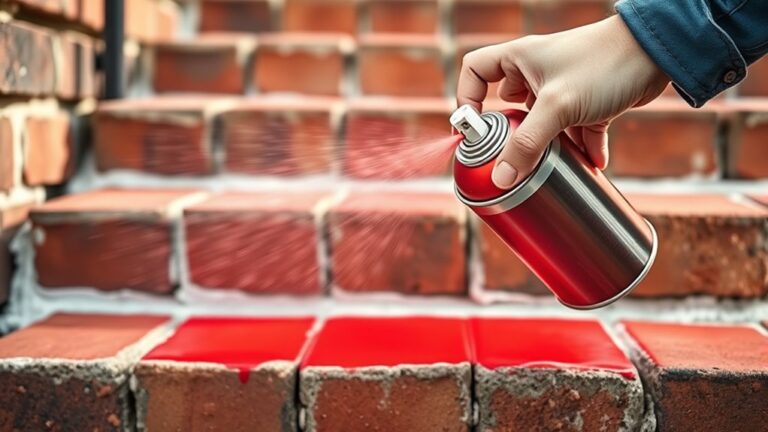
First, clean your brick steps thoroughly using a brush or pressure washer, then let them dry completely. Protect nearby areas with painter’s tape and drop cloths to avoid overspray.
Use a quality exterior spray paint, hold the sprayer 6-8 inches away, and apply in smooth, even strokes. Spray two thin coats, allowing drying time between each, and touch up any missed spots with a brush.
Keep...
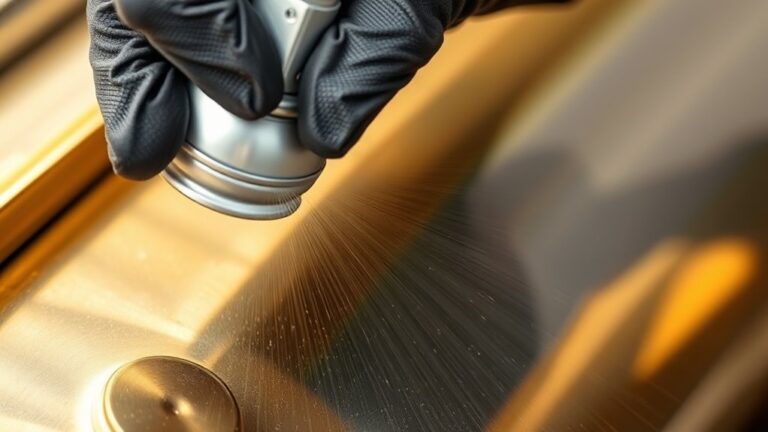
To spray paint brass, start by cleaning it with vinegar to remove grime and oxidation. Lightly sand the surface with 220-grit paper to help paint adhere.
Mask areas you want to protect with painter’s tape. Apply a rust-inhibiting primer evenly, letting it dry fully.
Then, spray 2-3 thin coats of enamel spray paint using steady strokes, allowing each coat to dry thoroughly. These steps...
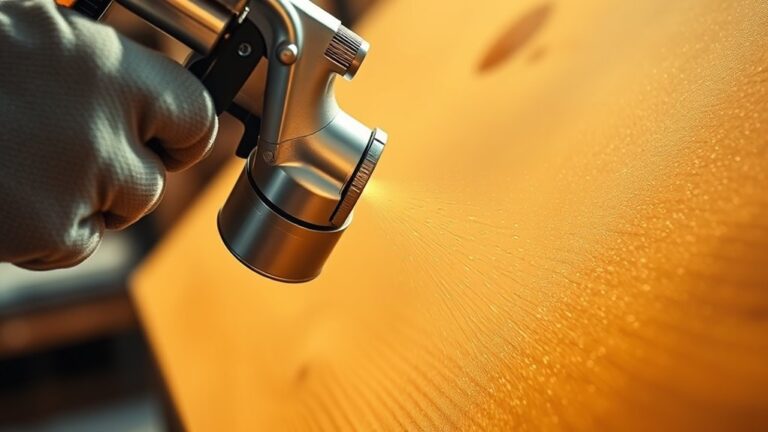
To spray polyurethane with a paint sprayer, start by cleaning and sanding your surface smooth. Then set up a well-ventilated workspace with good lighting.
Thin the polyurethane about two to one with paint thinner for better flow, filtering out debris. Hold the sprayer 10-12 inches away, using steady, overlapping strokes.
Apply several light coats with light sanding between. Following these...

Start by gently cleaning your artificial flowers with a damp cloth and let them dry completely. Remove any unwanted leaves or petals, and use painter’s tape to protect areas you don’t want painted.
Hold your spray can about 20-30 cm away, spraying in smooth, sweeping motions with light, even coats. Allow each layer to dry fully before adding the next.
This careful prep and technique...
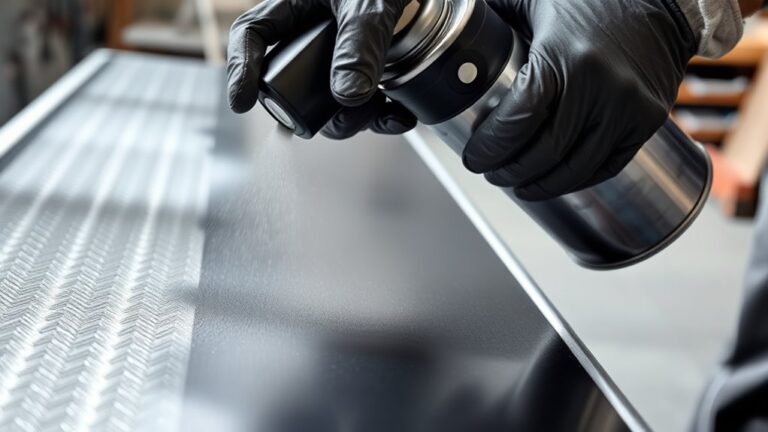
To spray paint aluminum, start by thoroughly cleaning the surface with soap and water to remove grease and dirt. Sand the area with 320-400 grit paper to create a rough texture, then rinse and dry it.
Next, apply a chemical etching solution like phosphoric acid for about 30 minutes. After that, rinse again and let it dry until the surface looks dull.
Use a self-etching primer in thin coats...

Using a paint sprayer isn’t hard once you get the hang of it. You’ll want to prepare by cleaning surfaces and thinning paint properly.
With some practice spraying on scrap material and adjusting your technique, you’ll find it easy to control. Holding the sprayer correctly and applying thin, overlapping coats helps prevent drips and overspray.
If you keep going, you’ll discover simple tips to...