Day: September 6, 2026

  • How You Spray Paint Cement Blocks Step by Step

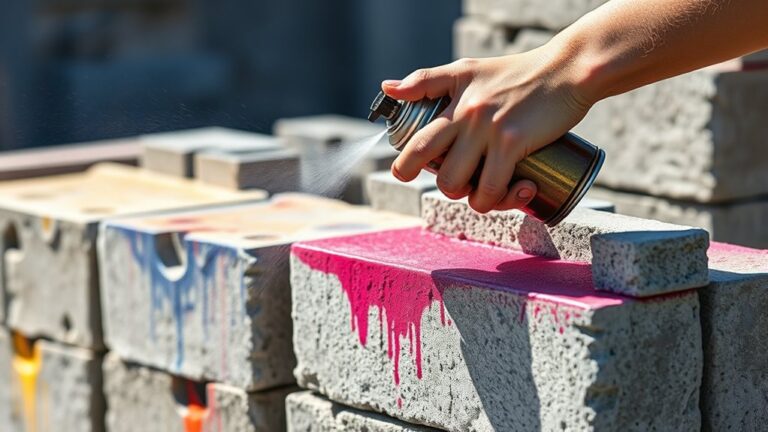
    Start by thoroughly cleaning your cement blocks to remove dirt, dust, and any efflorescence. Then, repair any cracks and let everything dry completely.

    Next, apply a quality masonry primer evenly and let it dry before you spray paint. Shake your spray paint can well, hold it 12 to 16 inches away, and apply several light coats.

    Make sure to allow each coat to dry between applications. This method guarantees a smooth, long-lasting finish.

    Keep going if you want tips on choosing primers and paint types.
  • How to Prime an Airless Paint Sprayer in 5 Easy Steps

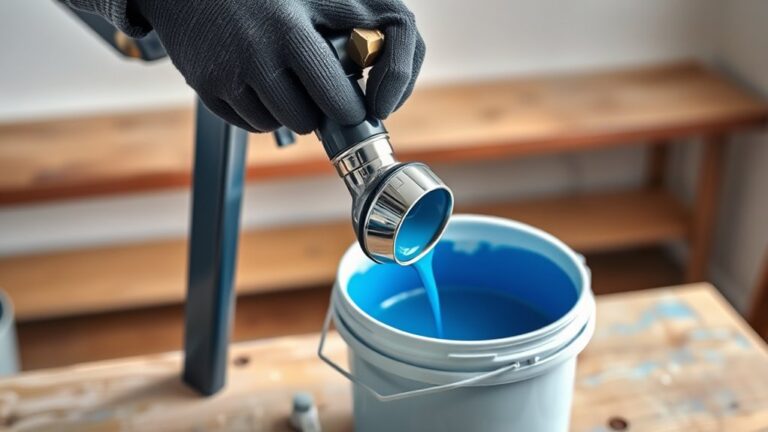
    To prime your airless paint sprayer, start by preparing a clean area and using fresh, suitable paint. Assemble the hoses securely—intake from paint to pump, return back to the container—and lock the spray nozzle in place.

    Wear gloves and safety gear for protection. Open both intake and return valves, then power on the machine and adjust the return valve to circulate paint.

    Finally, increase pressure slowly until the spray is steady, then lock the nozzle. Keep following these steps to get flawless spraying every time.

  • How You Spray Paint Cement Step by Step

    To spray paint cement, first clean the surface thoroughly with a power washer or scrub brush and a concrete cleaner to remove dirt and grease. Let it dry completely.

    Then, shake your spray can well. Hold the can 6-12 inches away and apply several light, even coats in overlapping strokes. Wait 15-30 minutes between layers to prevent drips.

    Finish by checking for spots that need touch-up. Keep following, and you’ll discover tips for a flawless, long-lasting finish.

  • How You Can Spray Paint Cardboard Step by Step

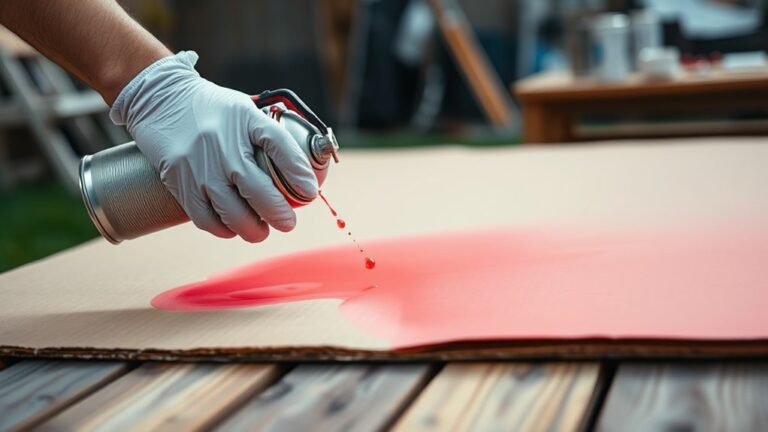
    To spray paint cardboard, first set up a well-ventilated area and protect nearby surfaces with coverings. Shake your spray paint can well, then hold it about 12 inches from the cardboard.

    Use light, sweeping motions to apply thin coats, letting each dry before adding the next. If you’re using stencils, secure them firmly and spray carefully around edges to avoid bleed.

    Taking these steps guarantees smooth, vibrant results. Keep exploring to uncover tips for perfecting your painted project.

  • How Long Can You Leave Paint in an Airless Sprayer Without Damage?

    You shouldn’t leave paint in your airless sprayer for more than 24 hours without cleaning it. Water-based paints dry faster and can clog your equipment, while oil-based paints might cause corrosion or seal damage if left too long.

    To keep your sprayer in good shape, clean it promptly or use storage fluids and seal components. Understanding how paint type and storage time affect your sprayer helps you avoid costly repairs and keep it ready for your next job.

  • How You Can Spray Paint Cabinets Step by Step

    You start by sanding your cabinets lightly and cleaning them thoroughly to remove dust and grease. Tape off areas you don’t want painted and cover nearby surfaces carefully.

    Next, adjust your sprayer with the right nozzle and strain your paint to avoid clogs. Apply several thin coats of primer and paint, letting each dry fully between layers.

    Clean your sprayer regularly for smooth results. Keep going, and you’ll get tips on perfecting your technique for a flawless finish.

  • How to Thin Chalk Paint for Sprayer Step by Step

    To thin chalk paint for spraying, start by transferring a small amount into a clean container. Add about 1/2 teaspoon of water per 1/3 cup of paint, stirring thoroughly after each addition.

    Keep adding water gradually until the paint is smooth, lump-free, and flows evenly when you lift the stir stick. Test the flow to make sure it sprays without splattering or clogging.

    Follow these steps carefully, and you’ll get a flawless paint finish with perfect spray consistency. It’s all about patience and checking as you go!

  • How You Spray Paint Brick Step by Step

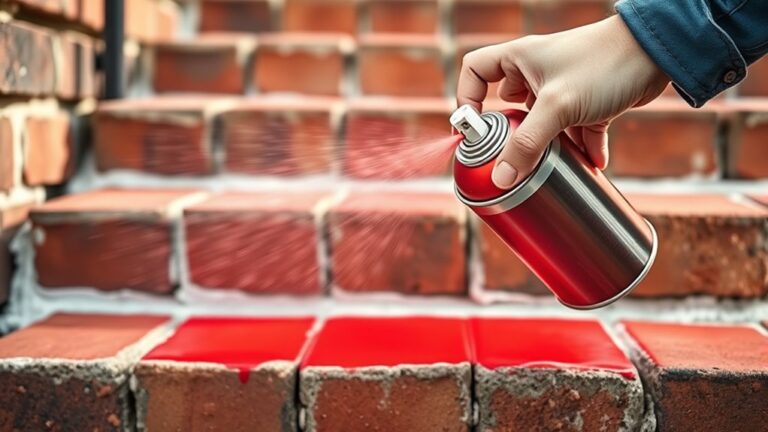
    First, clean your brick steps thoroughly using a brush or pressure washer, then let them dry completely. Protect nearby areas with painter’s tape and drop cloths to avoid overspray.

    Use a quality exterior spray paint, hold the sprayer 6-8 inches away, and apply in smooth, even strokes. Spray two thin coats, allowing drying time between each, and touch up any missed spots with a brush.

    Keep these tips in mind to guarantee a neat, durable finish—and discover how to perfect every detail next.