Day: September 5, 2026

  • How You Spray Paint Brass Step by Step

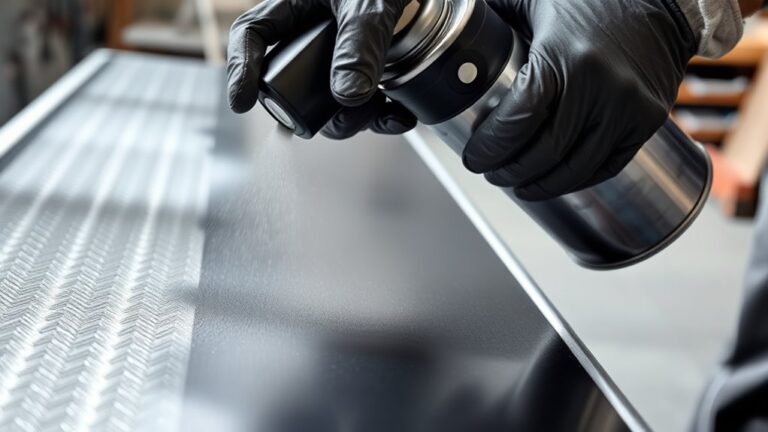
    To spray paint brass, start by cleaning it with vinegar to remove grime and oxidation. Lightly sand the surface with 220-grit paper to help paint adhere.

    Mask areas you want to protect with painter’s tape. Apply a rust-inhibiting primer evenly, letting it dry fully.

    Then, spray 2-3 thin coats of enamel spray paint using steady strokes, allowing each coat to dry thoroughly. These steps guarantee a smooth, lasting finish.

    Keep going to uncover expert tips for a flawless result. You’ll love how easy it is once you get the hang of it!
  • How You Can Spray Polyurethane With a Paint Sprayer

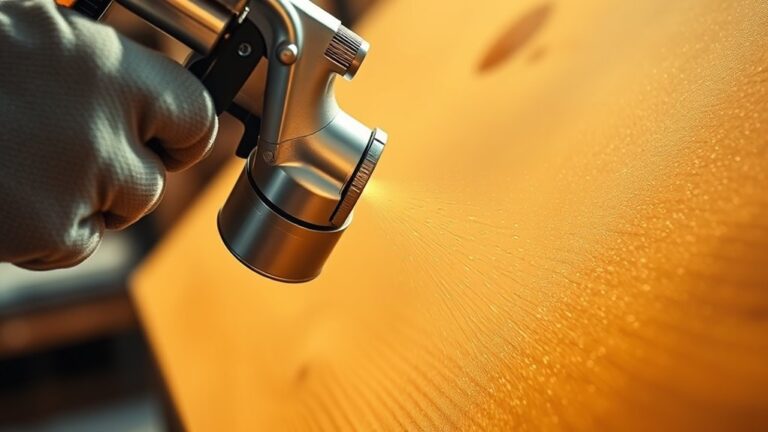
    To spray polyurethane with a paint sprayer, start by cleaning and sanding your surface smooth. Then set up a well-ventilated workspace with good lighting.

    Thin the polyurethane about two to one with paint thinner for better flow, filtering out debris. Hold the sprayer 10-12 inches away, using steady, overlapping strokes.

    Apply several light coats with light sanding between. Following these steps, you’ll get a durable, even finish—plus, with a few more tips, you can perfect your technique for a flawless result.

  • How You Can Spray Paint Artificial Flowers Step by Step

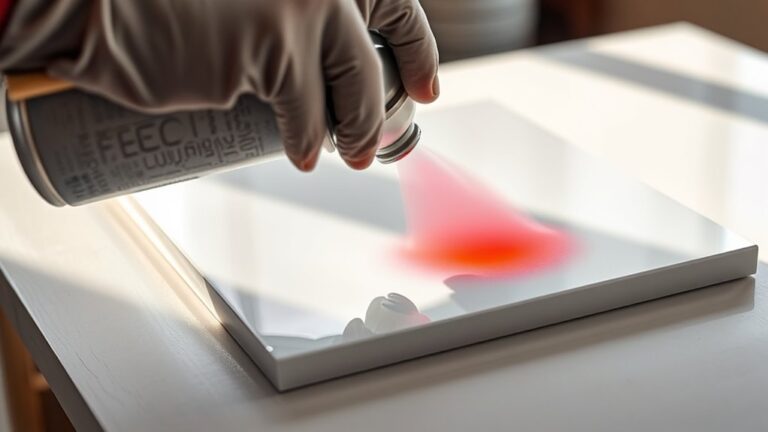
    Start by gently cleaning your artificial flowers with a damp cloth and let them dry completely. Remove any unwanted leaves or petals, and use painter’s tape to protect areas you don’t want painted.

    Hold your spray can about 20-30 cm away, spraying in smooth, sweeping motions with light, even coats. Allow each layer to dry fully before adding the next.

    This careful prep and technique guarantee a vibrant, professional look. Keep going to discover how to perfect this process further.

  • How You Spray Paint Aluminum Step by Step

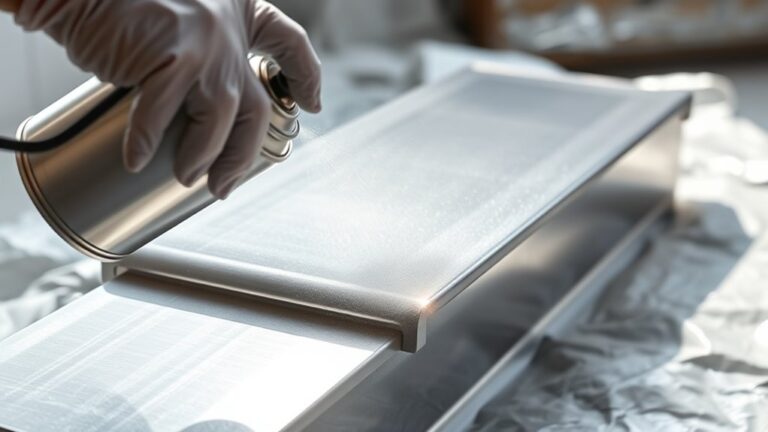
    To spray paint aluminum, start by thoroughly cleaning the surface with soap and water to remove grease and dirt. Sand the area with 320-400 grit paper to create a rough texture, then rinse and dry it.

    Next, apply a chemical etching solution like phosphoric acid for about 30 minutes. After that, rinse again and let it dry until the surface looks dull.

    Use a self-etching primer in thin coats, sanding lightly between each layer. Finally, spray paint in light, even coats for the best results.

    Keep following for detailed tips on perfecting your finish!

  • Is It Hard to Use a Paint Sprayer?

    Using a paint sprayer isn’t hard once you get the hang of it. You’ll want to prepare by cleaning surfaces and thinning paint properly.

    With some practice spraying on scrap material and adjusting your technique, you’ll find it easy to control. Holding the sprayer correctly and applying thin, overlapping coats helps prevent drips and overspray.

    If you keep going, you’ll discover simple tips to make your project look professional and save you time. It just takes a bit of patience and practice!

  • How You Spray Paint Aluminium Step by Step

    To spray paint aluminum, start by thoroughly cleaning the surface with warm, soapy water to remove dirt and grease. Once dry, sand it with 320-grit sandpaper, then apply a chemical etch or phosphoric acid to promote paint adhesion.

    Next, spray on 2-3 thin coats of self-etching primer, allowing it to dry between coats. Finish with several light, even coats of paint for a smooth, durable finish.

    Keep going to discover tips that perfect your technique. You’ll see how these little steps make a big difference in the final look!

  • How to Thin Exterior Paint for Sprayer in 7 Easy Steps

    To thin exterior paint for your sprayer, start by selecting paint and primer suited for spraying and prepare your workspace. Open the cans carefully and pour paint into a clean container.

    Stir it thoroughly to mix evenly. Gradually add small amounts of water while stirring, testing the consistency often with a stir stick.

    Filter the paint to avoid clogs before loading your sprayer. Follow these steps to get a smooth, even finish, and uncover tips to perfect the process.

  • How You Can Spray Paint Over Acrylic Step by Step

    To spray paint over acrylic, first make sure your surface is completely dry. Then, lightly sand it with fine-grit paper to help the paint stick better.

    Next, clean off any dust or oils with a damp cloth or some alcohol. After that, apply an acrylic-compatible primer and let it dry fully.

    Hold the spray can about 6-12 inches away from the surface. Spray thin, even coats, and be sure to let each one dry before adding the next.

    Finally, finish with a clear sealer to protect your work. Keep going to discover more tips for flawless results.