Author: Admin

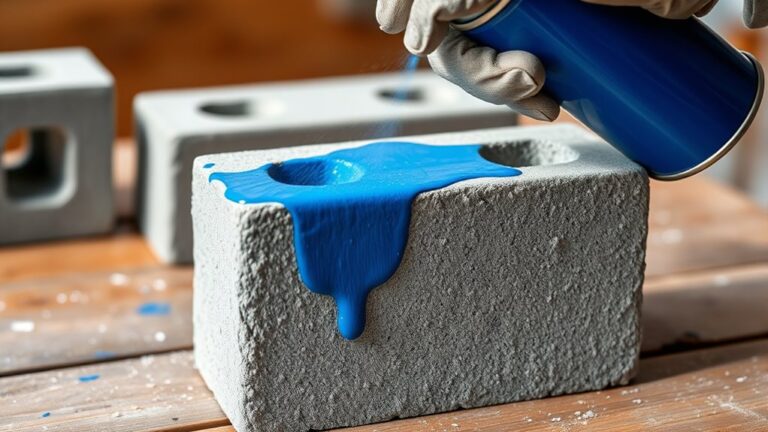
  • How You Spray Paint Cinder Blocks Step by Step

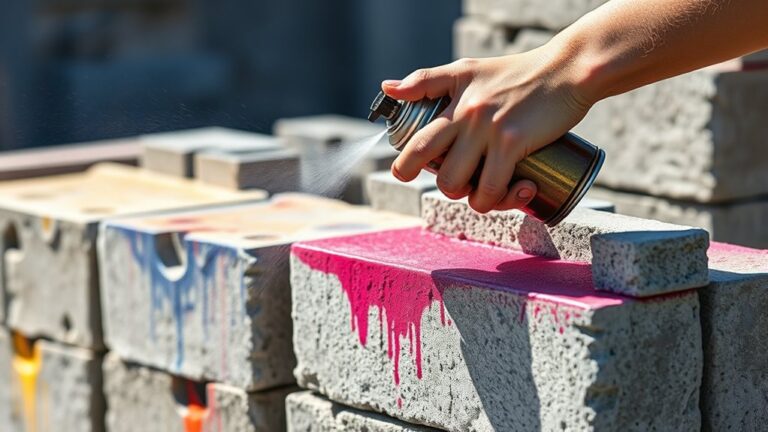
    To spray paint cinder blocks, start by thoroughly cleaning the surface with a brush or pressure washer, removing dirt and loose paint. Let it dry completely, ideally 24-48 hours.

    Next, apply a masonry primer using sweeping, overlapping sprays held 12-18 inches away, then let it dry.

    Finally, spray even coats of paint, keeping the technique consistent for a smooth finish.

    Keep going to discover tips for ensuring long-lasting, vibrant results.

  • Why Is My Paint Sprayer Leaving Lines and How Can I Fix It Fast?

    If your paint sprayer is leaving lines, it’s often due to worn tips, low pressure, or inconsistent spraying technique. You can fix it fast by replacing any worn or clogged spray tips, increasing your pressure to the recommended level, and keeping a steady 12-inch distance while maintaining smooth, overlapping strokes.

    Also, make sure your equipment is clean and well-maintained. Keeping these basics in check will greatly improve your finish, and a few more tips can help perfect your results even further.

  • How You Spray Paint Chrome Step by Step

    To spray paint chrome, start by cleaning your surface thoroughly. Then, apply a smooth black base coat after priming.

    Hold the chrome spray can about 10 inches away and apply several thin, even layers. Let each layer dry in between to build a reflective finish.

    For durability, consider a clear topcoat once your chrome layer is set. Follow these steps carefully, and you’ll get a shiny, mirror-like chrome look.

    Keep going to uncover tips for perfect results.

  • How You Use Polyurethane in a Paint Sprayer Safely

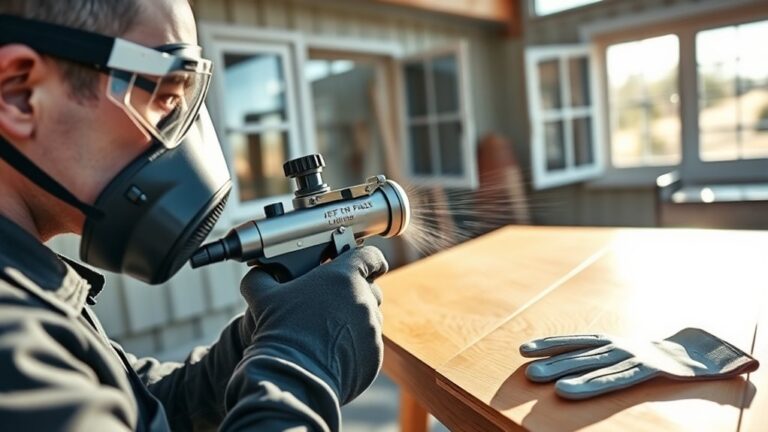
    To use polyurethane in a paint sprayer safely, first thin it with mineral spirits or naptha to guarantee smooth spray. Stir and strain it well before filling your sprayer.

    Adjust the sprayer’s pressure and flow for even coverage, testing on scrap wood to avoid flaws. Always wear a respirator, gloves, and goggles in a well-ventilated space.

    Clean your sprayer promptly with the right solvent to prevent clogs. Following these steps helps you get a flawless, safe finish, and there’s more to explore for professional results.

  • How You Spray Paint Ceramic Step by Step

    To spray paint ceramic, start by cleaning the surface with soap and water to remove dirt and grease. Lightly sand it with 100-120 grit sandpaper, then rinse and dry the item thoroughly.

    Next, apply a ceramic primer and let it dry completely. Hold your spray can 12-16 inches away and use short, even bursts, moving constantly for smooth coverage.

    Apply several thin coats, allowing each to dry fully. Keep going to discover tips for achieving a long-lasting, flawless finish.

  • How You Spray Paint Cement Blocks Step by Step

    Start by thoroughly cleaning your cement blocks to remove dirt, dust, and any efflorescence. Then, repair any cracks and let everything dry completely.

    Next, apply a quality masonry primer evenly and let it dry before you spray paint. Shake your spray paint can well, hold it 12 to 16 inches away, and apply several light coats.

    Make sure to allow each coat to dry between applications. This method guarantees a smooth, long-lasting finish.

    Keep going if you want tips on choosing primers and paint types.

  • How to Prime an Airless Paint Sprayer in 5 Easy Steps

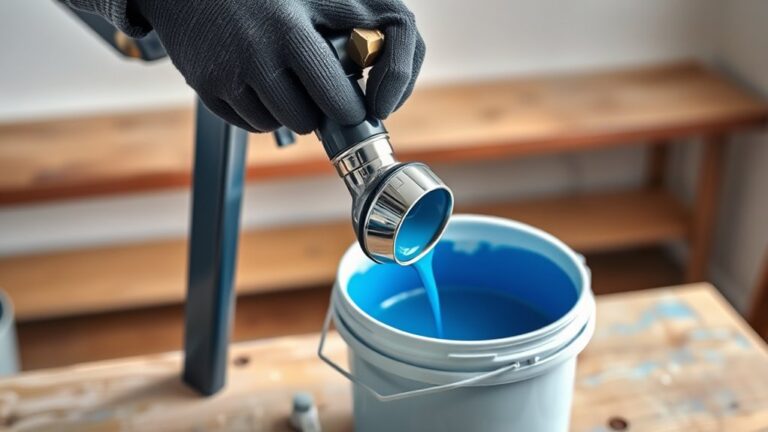
    To prime your airless paint sprayer, start by preparing a clean area and using fresh, suitable paint. Assemble the hoses securely—intake from paint to pump, return back to the container—and lock the spray nozzle in place.

    Wear gloves and safety gear for protection. Open both intake and return valves, then power on the machine and adjust the return valve to circulate paint.

    Finally, increase pressure slowly until the spray is steady, then lock the nozzle. Keep following these steps to get flawless spraying every time.

  • How You Spray Paint Cement Step by Step

    To spray paint cement, first clean the surface thoroughly with a power washer or scrub brush and a concrete cleaner to remove dirt and grease. Let it dry completely.

    Then, shake your spray can well. Hold the can 6-12 inches away and apply several light, even coats in overlapping strokes. Wait 15-30 minutes between layers to prevent drips.

    Finish by checking for spots that need touch-up. Keep following, and you’ll discover tips for a flawless, long-lasting finish.

  • How You Can Spray Paint Cardboard Step by Step

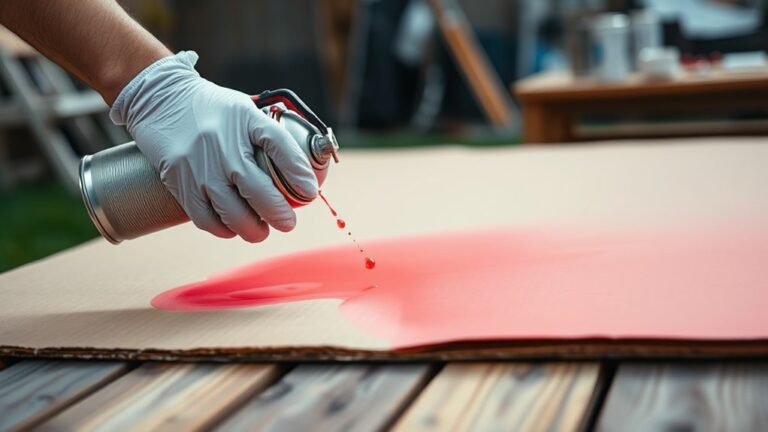
    To spray paint cardboard, first set up a well-ventilated area and protect nearby surfaces with coverings. Shake your spray paint can well, then hold it about 12 inches from the cardboard.

    Use light, sweeping motions to apply thin coats, letting each dry before adding the next. If you’re using stencils, secure them firmly and spray carefully around edges to avoid bleed.

    Taking these steps guarantees smooth, vibrant results. Keep exploring to uncover tips for perfecting your painted project.