How You Spray Paint Cinder Blocks Step by Step
To spray paint cinder blocks, start by thoroughly cleaning the surface with a brush or pressure washer. This step removes dirt and any loose paint, which is crucial for a smooth finish. Make sure to let the blocks dry completely—ideally for 24-48 hours—before moving on.
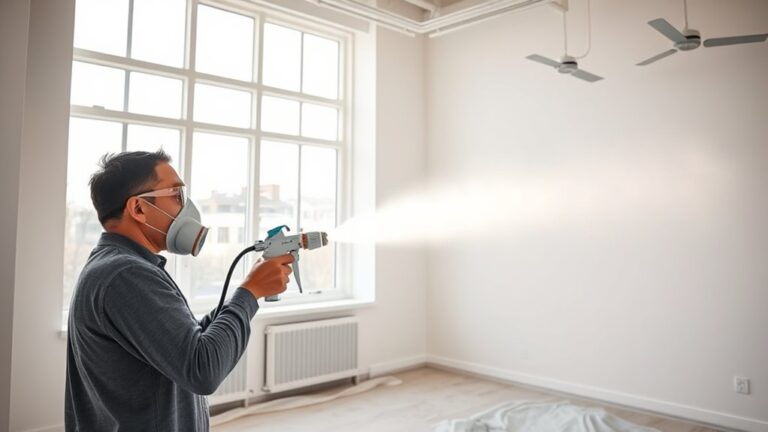
Next, apply a masonry primer using sweeping, overlapping sprays held 12-18 inches away from the surface. This helps the paint adhere better and lasts longer.
Once the primer is dry, you’re ready for the paint. Finally, spray even coats of paint, keeping your technique consistent to achieve a smooth, professional-looking finish.
Want to make sure your paint job stays vibrant and long-lasting? Keep going to discover some handy tips and tricks.
Key Takeaways
– Inspect cinder blocks for cracks, moisture, and loose paint; remove flaking paint and ensure the surface is dry before painting.
This step is super important because any imperfections can affect how well the paint sticks.
– Clean the surface with a stiff brush or pressure washer, apply masonry cleaner if needed, then rinse and let dry fully.
You want the blocks as clean as possible so the paint goes on smooth and lasts longer.
– Wait 24-48 hours after cleaning to ensure the surface is completely dry before applying primer.
Patience pays off here—painting on damp blocks can cause problems later.
– Apply a masonry-specific primer using sweeping, overlapping spray strokes from 12-18 inches away, and allow it to dry 1-2 hours.
This primer helps the paint adhere better and gives you that nice, even finish.
– Spray paint evenly with consistent overlapping strokes, apply multiple coats as needed, and inspect between coats for uniform coverage.
Take your time with each coat so the color looks vibrant and smooth when you’re done.
Preparation and Surface Cleaning

Before you start spray painting your cinder blocks, inspect them carefully for cracks, moisture, or efflorescence to guarantee the surface is solid. Proper surface cleaning is essential to assure the spray paint adheres well.
Inspect cinder blocks for cracks and moisture to ensure a solid surface before spray painting.
Use a stiff-bristled brush or pressure washer to remove dirt, mold, and loose debris from the cinder surface. If you find any loose or flaking paint, scrape it off with a chisel and hammer, then sand rough edges smooth.
For stubborn stains or efflorescence, apply a masonry cleaner and rinse thoroughly. After cleaning, let the wall dry completely—ideally for 24 to 48 hours—to prevent trapping moisture under the primer.
Only when the surface is dry and clean should you move on to applying primer and paint. That way, your paint job will last longer and look great!
Primer and Paint Application Techniques

When you apply primer to your cinder blocks, choosing a masonry-specific product like Sherwin Williams Luxon guarantees better adhesion and durability. Use a spray method, holding the nozzle 12-18 inches away, applying the first coat with sweeping, overlapping strokes for even coverage.
Tint the primer dark if covering vibrant colors to reduce multiple coats later. Allow the primer to dry completely—usually 1-2 hours—according to the manufacturer’s instructions before you paint cinder blocks with your topcoat.
When the paint is dry, inspect the surface and apply additional coats as needed, maintaining the same spraying technique for uniform results. If you have questions or need tips, don’t hesitate to send an email address for expert advice.
Proper primer and paint application guarantee a lasting, professional finish. It’s all about taking your time and doing it right!
Frequently Asked Questions
Will Spray Paint Work on Cinder Blocks?
Yes, spray paint will work on cinder blocks if you prepare the surface properly. Clean, seal, and choose paint made for masonry or concrete.
Expect to apply multiple coats for even coverage and lasting results. It’s all about getting that surface ready so the paint sticks well and looks great.
What Type of Spray Paint Is Best for Cinder Block?
You’ll want exterior-grade spray paint made for concrete or masonry, preferably acrylic or latex-based. These paints stick well to porous surfaces, resist peeling, and handle outdoor conditions.
Using a masonry primer first also boosts durability. It helps the paint adhere better and last longer, especially when exposed to the elements.
What Is the Best Way to Paint Cinder Blocks?
You’ll want to clean cinder blocks like you’re scrubbing the world’s dirtiest tile, then prime with masonry primer.
Next, spray multiple light coats of breathable, exterior-grade paint—this way, your finish lasts forever without peeling or cracking.
It’s all about prepping well and applying the paint carefully. That’s how you get a durable, great-looking finish every time.
Can You Paint Straight Onto Concrete Blocks?
Yes, you can paint straight onto concrete blocks, but you’ll need to clean them well and apply a masonry primer first.
This guarantees the paint sticks properly and lasts longer without peeling or chipping. It’s a simple step that really makes a difference!
Conclusion
Spray painting cinder blocks is like giving a rough canvas a fresh voice. Remember when I first painted my garden wall? The primer clung tightly, and the paint transformed those dull blocks into vibrant art.
Just like that, your careful prep and steady spray will turn tough surfaces into something striking. With patience and the right technique, you’ll see how even the roughest cinder blocks can wear a new coat of confidence, ready to impress.
When you spray paint cinder blocks, the key is preparation. Clean the surface well, apply a good quality primer, and then spray evenly. This approach ensures the paint adheres properly and lasts longer.
In the end, spray painting cinder blocks isn’t just about color—it’s about refreshing the entire look of your space. With the right steps, your cinder block walls will look vibrant, durable, and beautifully finished. So grab your spray paint, prep those blocks, and watch as your project transforms from dull to dazzling!