How Do I Remove Spray Paint From Plastic?
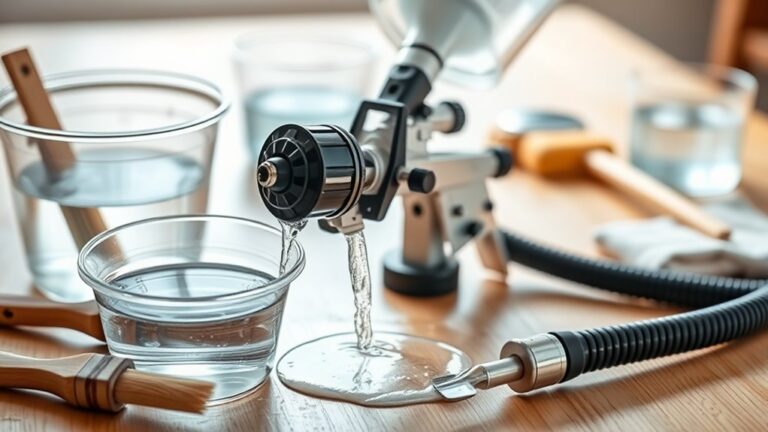
To remove spray paint from plastic, start by applying a chemical paint stripper like lacquer thinner evenly to the surface. This step is crucial because it helps break down the paint without damaging the plastic underneath. Let it sit for a few hours to soften the paint, which makes it easier to remove.
After that, gently rinse away the paint using a pressure washer or a soft cloth. Be careful not to scratch the plastic while doing this.
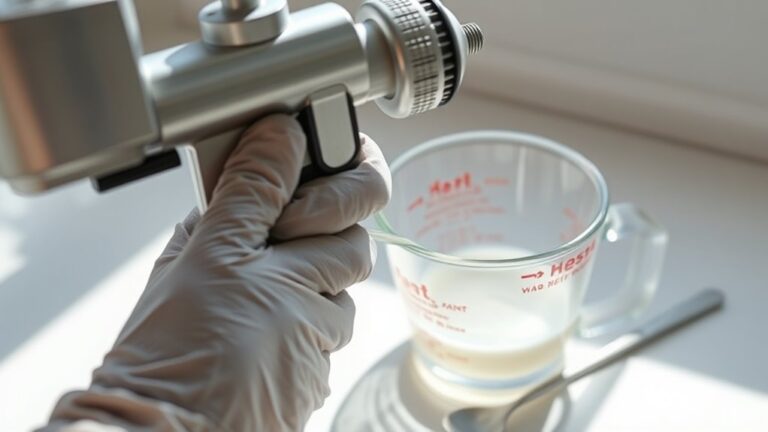
Always wear gloves and work in a well-ventilated area to keep yourself safe from fumes.
It’s a good idea to test the stripper on a small, hidden spot first. This way, you can make sure it won’t harm the plastic before you treat the whole surface.
Keep following for more tips on protecting your plastic while removing paint effectively.
Key Takeaways
- Apply a plastic-safe chemical paint stripper or lacquer thinner evenly. Let it sit for a while to soften the spray paint.
- Then, use a pressure washer or a soft cloth to gently rinse or wipe off the loosened paint. Be careful not to scratch the plastic surface.
- It’s a good idea to test the remover on a hidden area first. This way, you can make sure it won’t discolor or damage the plastic.
- Always wear gloves and goggles, and work in a well-ventilated space. This helps protect you from chemical fumes and skin irritation.
- Avoid using abrasive tools. Instead, combine chemical softening with gentle washing for the best and safest results when removing spray paint from plastic.
Effective Methods to Remove Spray Paint From Plastic

When you need to remove spray paint from plastic, using an aircraft stripper can be highly effective. Just be sure to apply it carefully to avoid damaging the surface.
Using an aircraft stripper is a powerful way to remove spray paint from plastic—just apply with care to protect the surface.
Make sure you wear gloves before handling any paint remover or chemical paint stripper like lacquer thinner. Safety first, right?
The best way to remove spray paint is to apply the stripper evenly and let it sit for a few hours. This helps loosen the paint.
After that, pressure washing comes in handy to rinse away the softened paint without scratching the plastic. It’s a great combo.
You can speed up the process by combining a chemical paint stripper such as Citri Strip with pressure washing. It really works well.
Before you dive in, always test the product on a small, hidden area. This way, you make sure it doesn’t discolor or damage the plastic.
Taking these careful steps helps you remove spray paint safely and effectively.
Safety Measures and Best Practices for Paint Removal

Although removing spray paint from plastic can be straightforward, you must prioritize safety to protect yourself from harmful chemicals and fumes. Always wear protective gloves, goggles, and a respirator when using chemical paint removers to avoid skin irritation and inhaling chemical fumes.
Work in a well-ventilated area or outdoors to minimize exposure. Before applying any remover, test it on a small, inconspicuous test area to ensure no damage occurs.
Follow all instructions and safety data sheets, including proper disposal of chemicals according to local regulations. Avoid abrasive tools that can scratch or damage the plastic; instead, use gentle methods combined with protective gear.
These precautions ensure effective paint removal while preventing damage and safeguarding your health throughout the process. Taking these steps really makes the whole job safer and more efficient.
Frequently Asked Questions
What Removes Dried Spray Paint From Plastic?
You can remove dried spray paint from plastic by applying rubbing alcohol or a baking soda paste, then gently scrubbing with a soft brush or plastic scraper.
Always test first to avoid damage or discoloration.
It’s a simple process, but taking your time helps keep the plastic looking good.
Just be gentle, and you’ll get that paint off without any trouble.
How Do Professionals Remove Spray Paint?
Think of spray paint like stubborn graffiti on your plastic canvas. Professionals start by testing different solvents to see what works best.
They gently lift the paint using scrapers, being careful not to damage the surface. Sometimes, they turn to chemical strippers or steam for tougher spots.
All the while, they protect themselves with gloves and goggles. Safety is key when restoring the surface back to its original state.
Can WD-40 Remove Spray Paint From Plastic?
Yes, WD-40 can remove spray paint from plastic. Spray it on and let it sit for a bit.
Then, gently rub or scrape the paint away. Just be sure to test it first on a hidden spot to avoid any damage or discoloration.
Will Vinegar Remove Spray Paint From Plastic?
Yes, vinegar can remove spray paint from plastic, especially water-based types. Soak a cloth in vinegar, apply it, then scrub gently.
You might need to repeat this, but avoid harsh scraping to protect the plastic. It’s a simple method, but patience is key here.
Conclusion
Removing spray paint from plastic doesn’t have to feel like a battle with a stubborn dragon. With the right tools and patience, you can gently peel away the unwanted colors and restore your plastic’s original shine.
Remember to suit up with safety gear and take your time—rushing only fans the flames of frustration. A little care goes a long way when dealing with delicate surfaces like plastic.
There are several methods you can try, from using rubbing alcohol or nail polish remover to gentle scrubbing with a soft cloth. Always test a small area first to make sure your chosen method won’t damage the plastic.
In the end, removing spray paint from plastic is all about patience and the right approach. With some effort, your plastic items will look fresh and clean again, ready to shine bright once more. Just take it slow, and you’ll be surprised how well you can restore your plastic’s original beauty.