Author: Admin

  • 7 Tips You Should Know to Spray Paint Door Hardware Successfully

    To spray paint door hardware successfully, first gather all supplies and remove the hardware carefully. Make sure to label the parts so you can easily put everything back together later.

    Next, clean and prep the surfaces thoroughly. You can skip sanding if you use a self-etching primer—it helps the paint stick better.

    When you start painting, apply several thin coats of spray paint. Don’t forget to let each layer dry before adding the next one.

    Finally, give the hardware plenty of time to cure before reassembling it. Be gentle when putting everything back to avoid any damage.

    Follow these simple steps, and you’ll soon master techniques that guarantee a smooth, durable finish.

  • How You Can Spray Paint Door Handles Step by Step

    Start by removing the door handles and cleaning them thoroughly to remove dirt and oils. Lightly sand the metal surfaces, then apply a self-etching primer to guarantee paint sticks well.

    Once dry, spray several thin coats of paint, letting each one dry before the next to avoid drips. After the final coat, let the handles cure fully. Then, consider a clear coat for extra protection.

    Keep going to find out how to achieve a smooth, durable finish.

  • How to Use a Paint Sprayer Inside in 3 Easy Steps

    To use a paint sprayer inside, first prepare your room by covering furniture, floors, and trim with plastic sheeting and painter’s tape to protect from overspray.

    Next, set up your sprayer by securely attaching it, filling the tank with thinned paint, and practicing your spray pattern for smooth, even coverage.

    Finally, spray steadily while keeping a consistent distance, then carefully remove your masking once the paint is dry.

    Keep going to uncover tips for a flawless finish and cleanup.

  • How You Spray Paint Crocs Step by Step

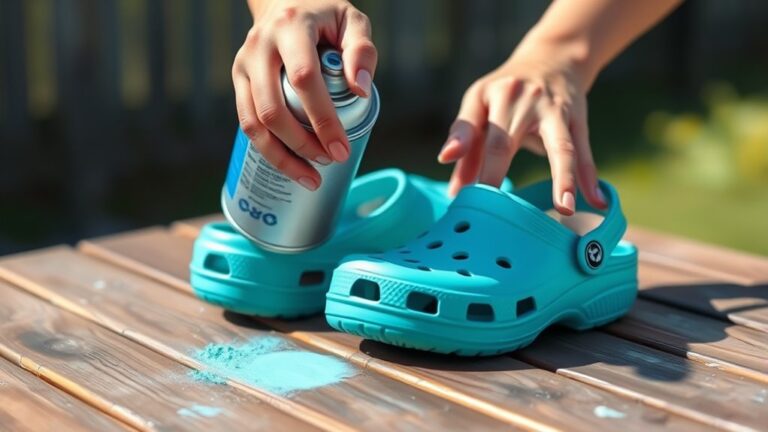
    To spray paint your Crocs, work in a well-ventilated space and cover areas you don’t want painted with masking tape. Shake your spray can well, hold it 25-30cm from the shoes, and apply thin, even coats using smooth sweeping motions.

    Let each coat dry fully before adding another. Once finished, remove the tape carefully and let your shoes dry completely.

    If you want a lasting, professional look, there are a few more tips you’ll want to explore. Trust me, it’s worth it!

  • 10 Easy Steps to Clean Your Wagner Paint Sprayer After Oil-Based Paint

    To clean your Wagner paint sprayer after oil-based paint, first disconnect and disassemble it, removing the paint container, handle, and spray gun parts.

    Carefully clean the filter, nozzle, and needle by soaking and scrubbing with mineral spirits. Make sure to use gloves and work in a well-ventilated area for safety.

    Next, flush the sprayer with clean water until it runs clear. Then, dry and inspect all components before putting everything back together.

    Finally, test spray on some scrap material to ensure it’s working properly. Keep going to uncover detailed tips for keeping your sprayer in top shape.

  • How You Can Spray Paint Concrete Step by Step

    To spray paint concrete, start by making sure it’s fully cured and clean. You want to remove all dirt, grease, and debris first.

    Next, test for moisture using plastic wrap. Sprinkle some water to check porosity—if it soaks in quickly, your surface is ready to go.

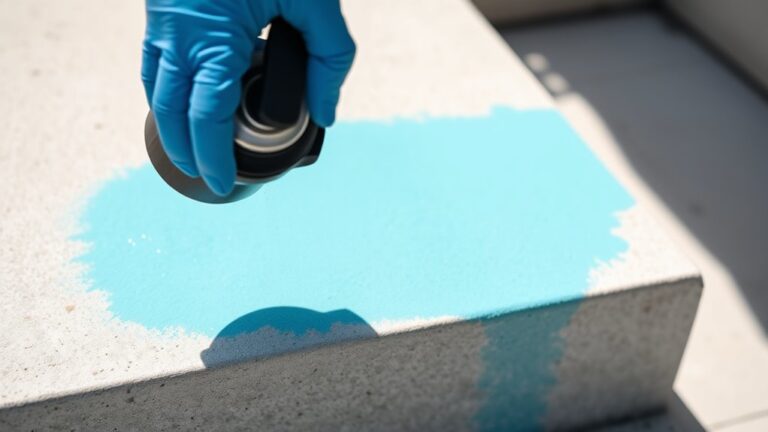
    Use a primer that’s suitable for concrete, especially if it’s porous. Then, hold your spray paint about 6 to 12 inches away and use short, overlapping bursts.

    Let each coat dry before you apply the next one. Finally, seal the paint with a clear concrete sealer to protect your work.

    Keep following along to discover more helpful tips and techniques!

  • How You Can Spray Paint Clothing Safely and Effectively

    To spray paint clothing safely and effectively, start by washing and drying your fabric. Then, protect your workspace with drop cloths and insert cardboard inside the garment to avoid bleed-through.

    It’s best to work outdoors or in a well-ventilated area. And don’t forget to always wear gloves and a mask.

    Hold the spray can about 6 to 8 inches away from the fabric. Apply thin, even coats in smooth strokes, making sure to let each layer dry before adding the next.

    Proper heat-setting is key to locking in your design for durability. Keep these tips in mind as you explore more detailed techniques.

  • How You Use a Paint Sprayer for Polyurethane Application

    To use a paint sprayer for polyurethane, first prep your surface by sanding it smooth and cleaning off all dust.

    Set up your sprayer with the right tip and adjust the flow for a consistent spray. Hold the nozzle about 10–12 inches from the surface and spray thin, even coats with overlapping strokes.

    Start with a thinned base coat for adhesion, then apply 2–3 full-strength coats, sanding lightly between each.

    Keep your technique steady for a flawless finish—let’s explore what else you can do.

  • How You Can Spray Paint Clothes Step by Step

    To spray paint clothes, first choose fabric-specific spray paint and prep your workspace with protective coverings. Wash and dry the fabric, then insert cardboard inside to prevent paint bleed-through.

    Shake the spray can well and hold it 6-8 inches from the fabric, applying light, even coats with overlapping strokes. Let each coat dry about 30 minutes, applying 3-4 layers for vibrant results.

    After painting, allow ample curing time for durability. If you want to perfect your technique, keep exploring more tips and tricks.