Blog

  • How You Spray Paint Crocs Step by Step

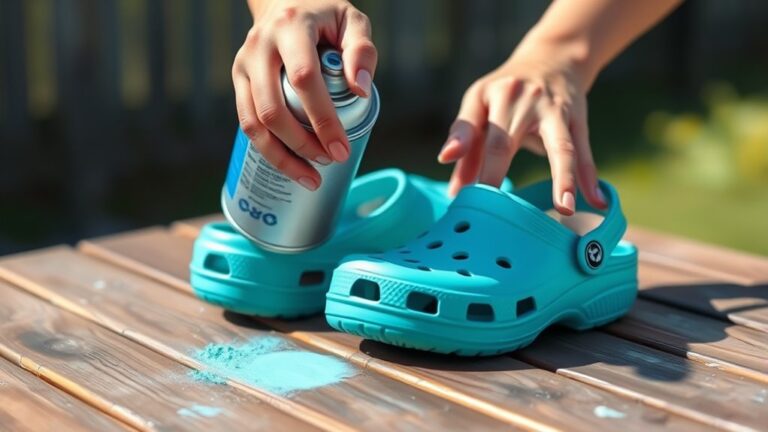
    To spray paint your Crocs, work in a well-ventilated space and cover areas you don’t want painted with masking tape. Shake your spray can well, hold it 25-30cm from the shoes, and apply thin, even coats using smooth sweeping motions.

    Let each coat dry fully before adding another. Once finished, remove the tape carefully and let your shoes dry completely.

    If you want a lasting, professional look, there are a few more tips you’ll want to explore. Trust me, it’s worth it!

  • 10 Easy Steps to Clean Your Wagner Paint Sprayer After Oil-Based Paint

    To clean your Wagner paint sprayer after oil-based paint, first disconnect and disassemble it, removing the paint container, handle, and spray gun parts.

    Carefully clean the filter, nozzle, and needle by soaking and scrubbing with mineral spirits. Make sure to use gloves and work in a well-ventilated area for safety.

    Next, flush the sprayer with clean water until it runs clear. Then, dry and inspect all components before putting everything back together.

    Finally, test spray on some scrap material to ensure it’s working properly. Keep going to uncover detailed tips for keeping your sprayer in top shape.

  • How You Can Spray Paint Concrete Step by Step

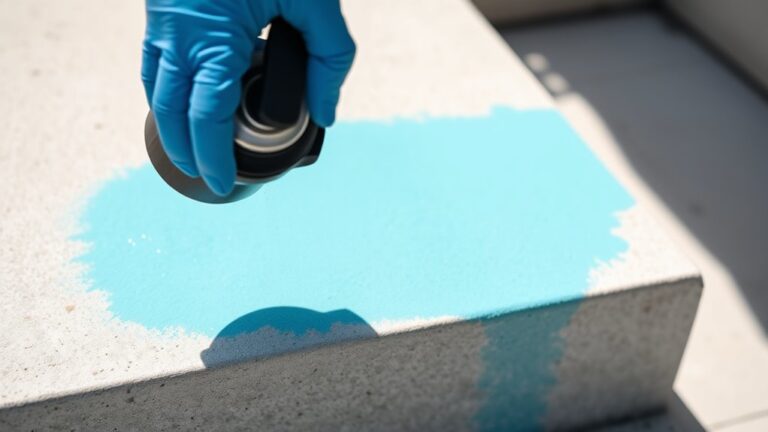
    To spray paint concrete, start by making sure it’s fully cured and clean. You want to remove all dirt, grease, and debris first.

    Next, test for moisture using plastic wrap. Sprinkle some water to check porosity—if it soaks in quickly, your surface is ready to go.

    Use a primer that’s suitable for concrete, especially if it’s porous. Then, hold your spray paint about 6 to 12 inches away and use short, overlapping bursts.

    Let each coat dry before you apply the next one. Finally, seal the paint with a clear concrete sealer to protect your work.

    Keep following along to discover more helpful tips and techniques!

  • How You Can Spray Paint Clothing Safely and Effectively

    To spray paint clothing safely and effectively, start by washing and drying your fabric. Then, protect your workspace with drop cloths and insert cardboard inside the garment to avoid bleed-through.

    It’s best to work outdoors or in a well-ventilated area. And don’t forget to always wear gloves and a mask.

    Hold the spray can about 6 to 8 inches away from the fabric. Apply thin, even coats in smooth strokes, making sure to let each layer dry before adding the next.

    Proper heat-setting is key to locking in your design for durability. Keep these tips in mind as you explore more detailed techniques.

  • How You Use a Paint Sprayer for Polyurethane Application

    To use a paint sprayer for polyurethane, first prep your surface by sanding it smooth and cleaning off all dust.

    Set up your sprayer with the right tip and adjust the flow for a consistent spray. Hold the nozzle about 10–12 inches from the surface and spray thin, even coats with overlapping strokes.

    Start with a thinned base coat for adhesion, then apply 2–3 full-strength coats, sanding lightly between each.

    Keep your technique steady for a flawless finish—let’s explore what else you can do.

  • How You Can Spray Paint Clothes Step by Step

    To spray paint clothes, first choose fabric-specific spray paint and prep your workspace with protective coverings. Wash and dry the fabric, then insert cardboard inside to prevent paint bleed-through.

    Shake the spray can well and hold it 6-8 inches from the fabric, applying light, even coats with overlapping strokes. Let each coat dry about 30 minutes, applying 3-4 layers for vibrant results.

    After painting, allow ample curing time for durability. If you want to perfect your technique, keep exploring more tips and tricks.

  • How You Spray Paint Cinder Blocks Step by Step

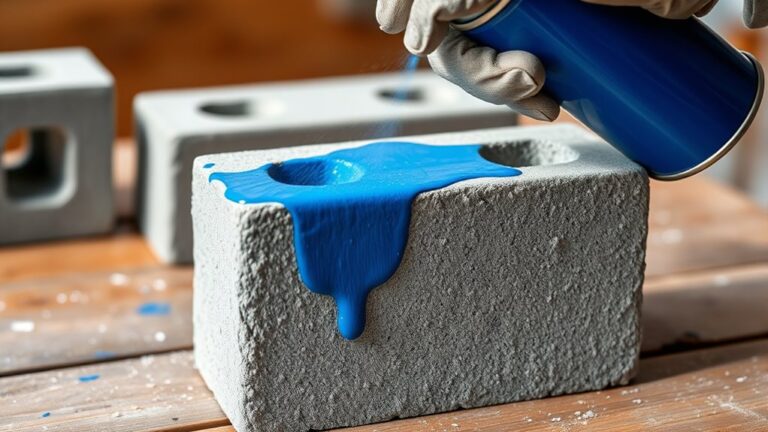
    To spray paint cinder blocks, start by thoroughly cleaning the surface with a brush or pressure washer, removing dirt and loose paint. Let it dry completely, ideally 24-48 hours.

    Next, apply a masonry primer using sweeping, overlapping sprays held 12-18 inches away, then let it dry.

    Finally, spray even coats of paint, keeping the technique consistent for a smooth finish.

    Keep going to discover tips for ensuring long-lasting, vibrant results.

  • Why Is My Paint Sprayer Leaving Lines and How Can I Fix It Fast?

    If your paint sprayer is leaving lines, it’s often due to worn tips, low pressure, or inconsistent spraying technique. You can fix it fast by replacing any worn or clogged spray tips, increasing your pressure to the recommended level, and keeping a steady 12-inch distance while maintaining smooth, overlapping strokes.

    Also, make sure your equipment is clean and well-maintained. Keeping these basics in check will greatly improve your finish, and a few more tips can help perfect your results even further.

  • How You Spray Paint Chrome Step by Step

    To spray paint chrome, start by cleaning your surface thoroughly. Then, apply a smooth black base coat after priming.

    Hold the chrome spray can about 10 inches away and apply several thin, even layers. Let each layer dry in between to build a reflective finish.

    For durability, consider a clear topcoat once your chrome layer is set. Follow these steps carefully, and you’ll get a shiny, mirror-like chrome look.

    Keep going to uncover tips for perfect results.