Author: Admin

  • How Much Does a Paint Sprayer Cost?

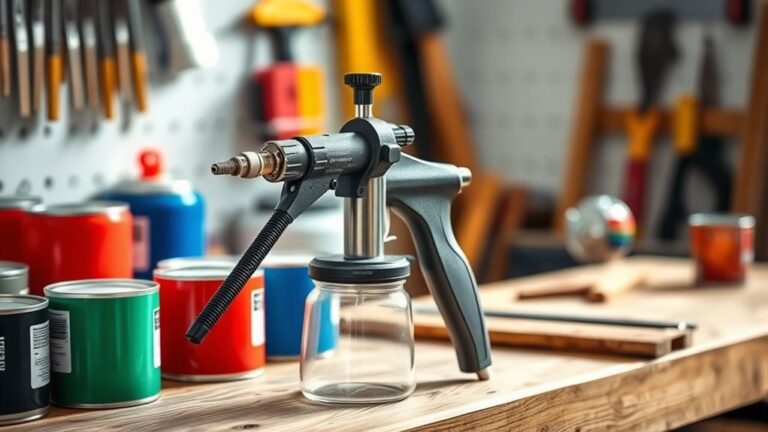
    You can expect to spend between $50 and $250 for an entry-level paint sprayer, perfect for small DIY projects and light coatings.

    If you need more power and versatility, mid-range models cost $250 to $800 and handle thicker paints with adjustable settings.

    Professional-grade sprayers start around $1,000 and go much higher for heavy-duty, frequent use. Your choice depends on project size and paint type, with more details coming up to help you pick the right one.
  • How to Use the Wagner Paint Sprayer in 10 Easy Steps

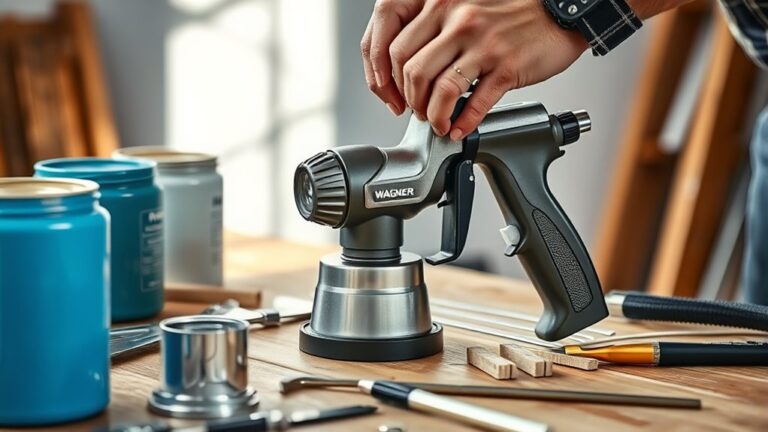
    To use your Wagner paint sprayer in 10 easy steps, first assemble the parts and prepare your paint by thinning it properly. Test the paint’s consistency with a viscosity cup, then fill the container and securely attach the nozzle.

    Next, adjust the spray pattern and flow to your preference. Perform test sprays on scrap material to make sure everything looks good before you begin.

    Apply the paint with steady, even strokes for the best coverage. After you’re done, clean and store your sprayer well to keep it in top shape.

    Keep going to discover tips for flawless results and maintenance. You’ll be a pro in no time!

  • 5 Reasons to Use a Paint Sprayer or Roller for Better Results

    You’ll work faster with a paint sprayer, especially on large, smooth surfaces, covering areas 2-3 times quicker than rollers. Sprayers give smooth, even finishes but can waste more paint without proper prep.

    Rollers offer better control on textured surfaces and use paint more efficiently. Combining spraying and rolling balances speed, quality, and cost.

    Knowing which tool suits your project and surface will help you get professional results more easily. And there’s plenty more to explore about each method’s advantages.

  • Where Can You Rent a Paint Sprayer?

    You can rent a paint sprayer from major home improvement stores like Home Depot and Lowe’s, specialized rental outlets such as United Rentals, or local hardware shops. Many places offer electric, gas-powered, and HVLP sprayers tailored to your project size.

    Rentals typically cost between $85 and $100 daily, with additional fees for cleaning or damage. If you want to know how to pick the right sprayer and avoid unexpected costs, keep exploring your options.

  • How to Thin Paint for Wagner Sprayer Step by Step

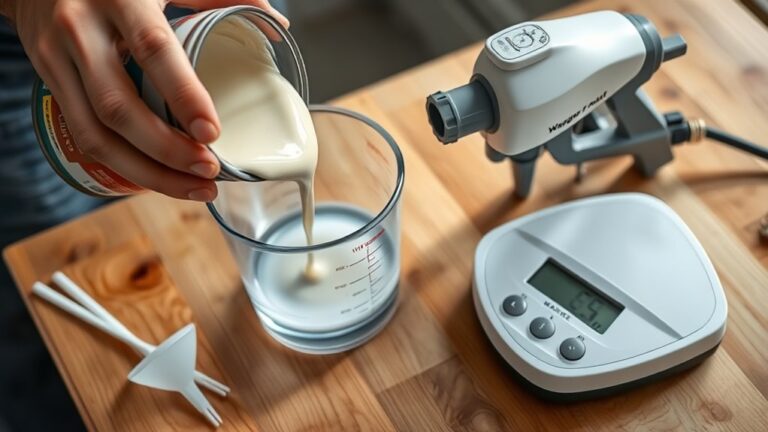
    To thin paint for your Wagner sprayer, start by choosing water-based or compatible oil-based paint and stirring it well. Add about 2 tablespoons of solvent per half jar, mixing thoroughly for an even consistency.

    Check the flow using a viscosity cup, aiming for 25-40 seconds to ensure smooth spraying without clogs. Test spray and adjust thinner gradually if needed.

    Follow these steps closely, and you’ll get a flawless finish while avoiding common spraying issues—there’s more you can learn to perfect the process.

  • How Does an Airless Paint Sprayer Work Step by Step

    You start by filtering and pouring paint into the sprayer, then securely connect and prime the pump until paint flows smoothly.

    The sprayer pressurizes the paint between 1,500–3,000 PSI, forcing it through a tiny tip that atomizes it into a fine mist with a fan-shaped pattern.

    Hold the gun 12-18 inches away, spray perpendicularly, and use steady, overlapping strokes for even coverage.

    Keep this technique consistent, and you’ll achieve a flawless finish. There’s more to explore about optimizing your results.

  • Does Ryobi Make a Paint Sprayer and How to Choose One

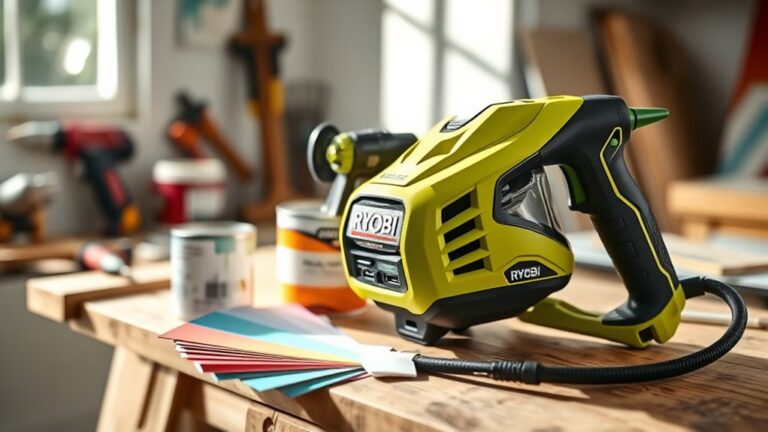
    Yes, Ryobi makes cordless paint sprayers designed to work with their 18V One+ batteries. This gives you freedom and extended use without cords.

    When choosing one, pick the right nozzle size—ranging from 1.0mm to 3.0mm—and spray pattern (vertical, horizontal, circular) based on your project type. Look for models with adjustable flow controls for precise coverage.

    You’ll also want to follow proper maintenance steps to keep it running smoothly and efficiently. Keep exploring to find out how to get the best results.

  • Do You Need to Thin Paint for a Sprayer and How to Do It

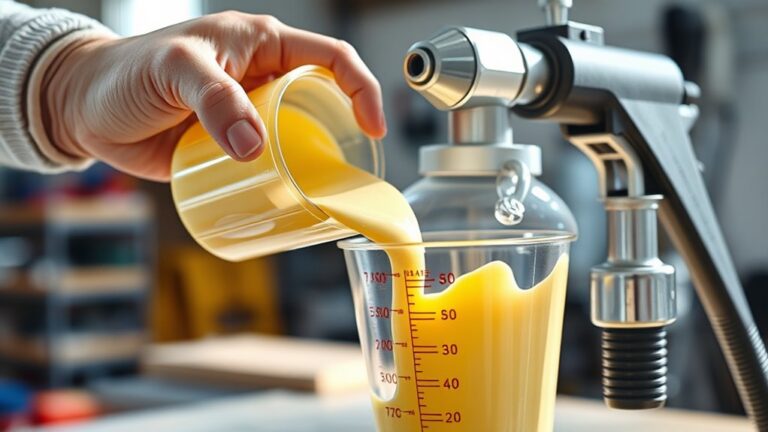
    You usually need to thin paint for a sprayer to keep it flowing smoothly and avoid clogging or uneven coverage. For water-based paints, add about 10% water until it reaches a pancake batter consistency.

    Use mineral spirits or specific thinners for oil-based paints instead. Always start with small amounts and test the spray pattern on a scrap surface, adjusting as needed.

    If you want tips on choosing the right thinner and perfect thinning techniques, keep exploring. It’s easier than it sounds once you get the hang of it!

  • How to Prime a Wagner Paint Sprayer in 7 Easy Steps

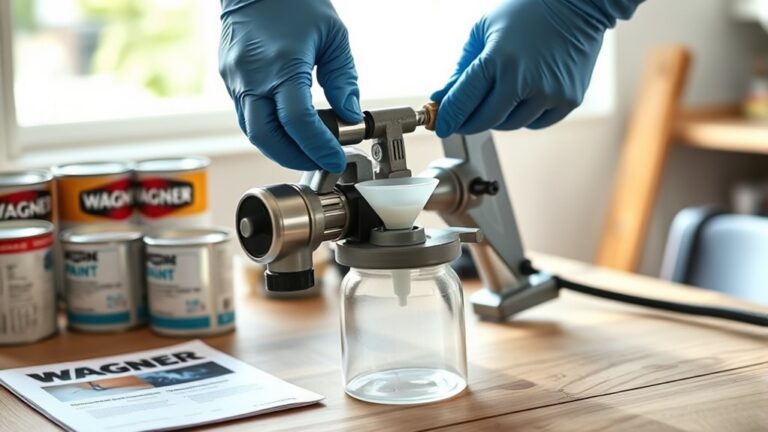
    To prime your Wagner paint sprayer, start by assembling the nozzle, container, and hose securely. Then thin your paint with water for smooth flow and fill the container without overfilling.

    Set the spray pattern and fluid control to your desired settings. Power on the sprayer, hold it near a test surface, and spray until the paint flows evenly without splatters.

    Adjust flow and pressure for consistent coverage. Keep going to uncover more tips for a flawless finish.