Author: Admin

  • Does a Paint Sprayer Use More Paint?

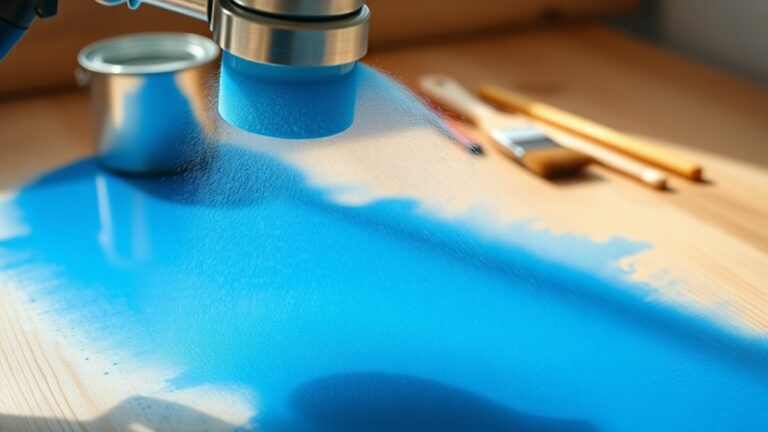
    Yes, a paint sprayer typically uses about 25% to 33% more paint than a roller. That’s because sprayers create fine paint particles that often drift into the air, leading to overspray and wasted paint.

    Rollers apply paint more directly and efficiently with minimal waste. However, if you adjust your spray technique and equipment properly, you can reduce this waste.

    Keep exploring to find out which method suits your project best and how to save paint while spraying.
  • How to Use a Paint Sprayer Indoors in 3 Simple Steps

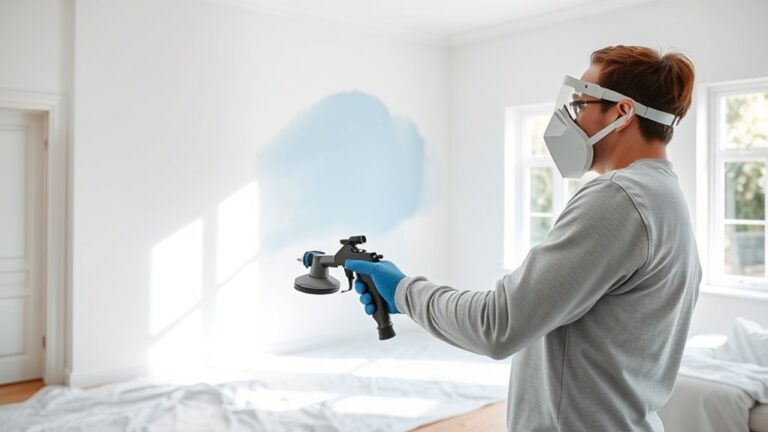
    First, thoroughly prepare and mask your area by cleaning surfaces, removing fixtures, and covering floors and trim with plastic and tape.

    Next, set up your paint sprayer with the right tip, fill it with well-mixed paint, and practice smooth, overlapping passes about 10-12 inches from the walls.

    Finally, once the paint dries, carefully remove your masking and do any touch-ups with a brush to guarantee a perfect finish.

    Keep going to uncover tips for flawless results and easy cleanup.

  • Why Is My Wagner Paint Sprayer Not Working?

    If your Wagner paint sprayer isn’t working right, it’s likely due to clogged or worn nozzles, dirty filters, or paint buildup inside the trigger or pump. You’ll want to clean the air caps, nozzles, and filters thoroughly.

    Also, check for leaks or loose connections, and verify that the paint viscosity is correct.

    Don’t forget to inspect and lubricate the trigger and internal pump parts for smooth operation. Keep things maintained, and you’ll avoid most common issues.

    There’s more to learn about getting your sprayer back to peak performance, so keep digging into the details!

  • How Do You Have to Thin Paint for a Sprayer Step by Step

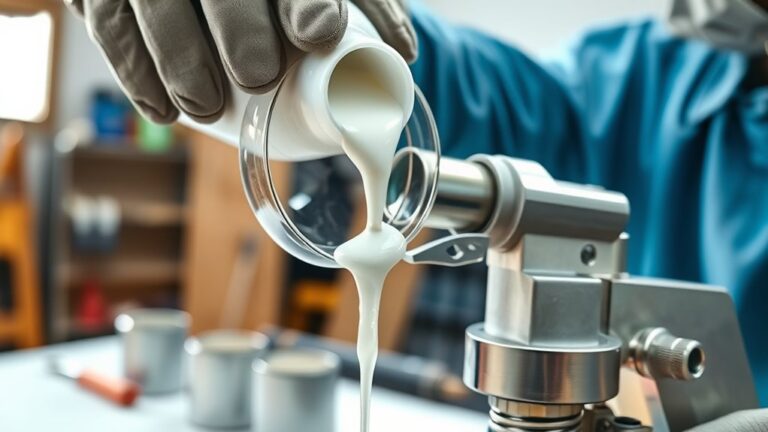
    To thin paint for a sprayer, start by measuring about 10% thinner based on your paint volume and pour it into a clean container. Stir the mix thoroughly for uniform consistency, then strain it to remove lumps or debris.

    Next, test the paint by spraying a small area to check for smooth flow and coverage. If it’s not quite right, add thinner in small increments until you get the perfect consistency.

    Keep going to discover useful tips that help you get the best finish every time. You’ll find it’s easier than you think once you get the hang of it!

  • How You Can Safely Leave Paint in a Sprayer Overnight

    You can safely leave water-based paint in your sprayer overnight by first lowering the pressure and turning off the machine. Make sure to keep the spray tip and hoses submerged in water or a cleaning solution to prevent the paint from drying inside.

    Store the sprayer in a cool, dry place away from sunlight and extreme temperatures. Avoid leaving oil-based paints without cleaning to prevent clogs or damage.

    Keep following for more tips on protecting your sprayer and extending its life. It’s all about taking a few simple steps to keep your equipment in great shape!

  • How to Paint a Popcorn Ceiling With a Sprayer in 3 Easy Steps

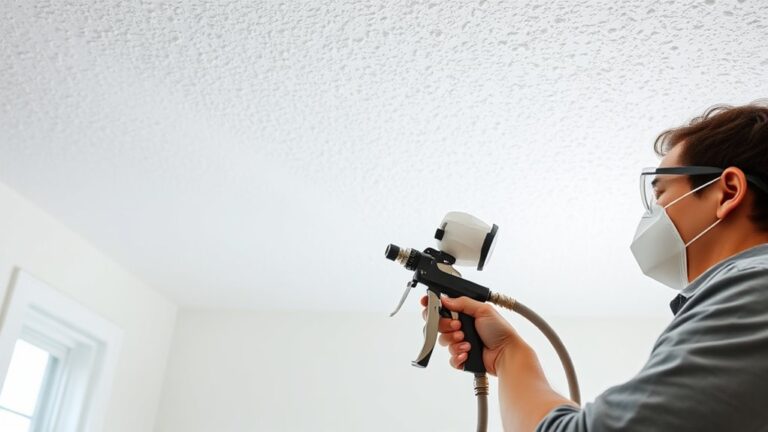
    To paint a popcorn ceiling with a sprayer, first protect your floors, furniture, and fixtures using drop cloths and painter’s tape to avoid mess.

    Next, apply a light, even coat of water-based primer with the sprayer held 12-18 inches from the surface. Once the primer dries, follow up with a latex ceiling paint.

    Finally, let it fully dry before removing coverings and cleaning up. Keep following for tips that’ll help you get smooth, lasting results with ease.

  • How You Can Use Chalk Paint in a Sprayer Step by Step

    To use chalk paint in a sprayer, start by filling the spray gun’s cup halfway and thinning the paint with water until it flows smoothly. Strain the paint to avoid clogs, then connect and adjust your sprayer for an even pattern.

    Hold the gun 10-12 inches from the surface, spraying light, overlapping coats. Allow drying between layers and wait before sealing the project.

    Follow these steps for a smooth finish, and you’ll soon discover tips for perfect technique and lasting results. It’s easier than you might think!

  • How You Use Primer in a Paint Sprayer Step by Step

    To use primer in a paint sprayer, first clean your sprayer and prepare the primer per instructions. Fit the right spray tip and test the spray on cardboard, adjusting pressure and pattern for even flow.

    When you’re ready, hold the sprayer 10-12 inches from the surface. Spray with smooth, overlapping strokes, and keep the gun perpendicular.

    Make sure to maintain steady pressure to avoid drips and guarantee uniform coverage. Keep following for tips to perfect your technique and get flawless results.

  • How to Paint Cabinets With a Sprayer in 7 Easy Steps

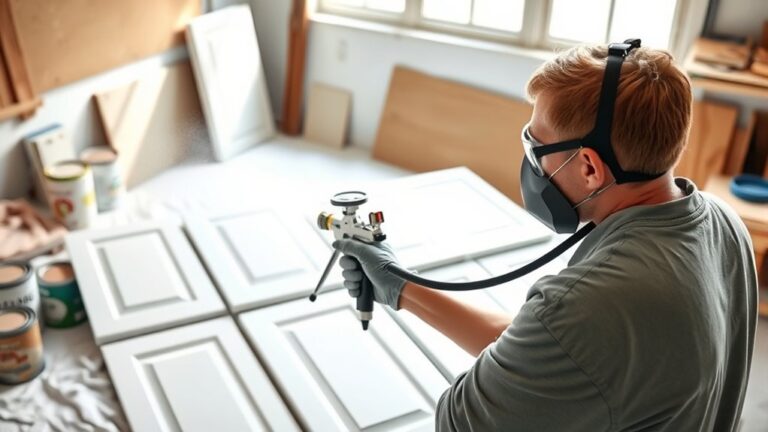
    To paint cabinets with a sprayer in 7 easy steps, start by removing doors, drawers, and hardware. Then, clean and sand surfaces thoroughly.

    Mask nearby areas to protect them from overspray. It’s a good idea to mix and test your paint sprayer for even flow before you begin.

    Apply thin, overlapping coats, sanding lightly between each for a smooth finish. This helps achieve that professional look.

    Finally, reattach hardware carefully and check alignment. Keep going to master expert tips that guarantee a flawless, professional-looking cabinet makeover.