Author: Admin

  • How Do You Have to Thin Paint for a Sprayer Step by Step

    To thin paint for a sprayer, first identify if it’s water- or oil-based and choose the right thinner. Pour paint into a clean container, add about 10% thinner, and stir well.

    Then, strain the mix to remove lumps. Next, test spray on scrap material to check flow and coverage.

    If needed, adjust thinner gradually until the spray is smooth without clogging. Keep these steps in mind, and you’ll soon master achieving perfect paint consistency for your project.
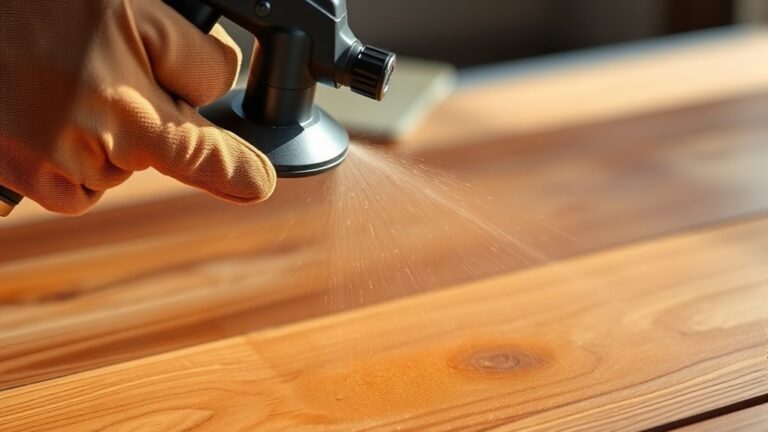
  • How You Spray Wood Stain With a Paint Sprayer Step by Step

    To spray wood stain with a paint sprayer, start by cleaning and sanding the wood to prepare the surface. Set your sprayer to about 23 psi, using a 1 mm nozzle for even application.

    Hold the sprayer 12-18 inches away, applying thin, overlapping coats while moving steadily. After spraying, immediately back-brush to work the stain in, then let it dry 2-4 hours before adding more coats.

    Keeping these tips in mind will help you achieve a smooth, professional finish—there’s more to explore for perfect results. Just take your time and enjoy the process!

  • What Does Airless Paint Sprayer Mean and How Does It Work?

    An airless paint sprayer lets you apply paint using high mechanical pressure instead of compressed air. It works by pumping paint through a small nozzle at 1500-3000 PSI, atomizing it into a fine spray for a smooth, even finish.

    You can adjust the pressure and switch spray tips to suit your project. Plus, it handles thick paints without thinning, which is pretty handy.

    This method speeds up painting and reduces waste. Keep exploring to understand its core parts and advantages better.

  • 10 Steps to Paint Kitchen Cabinets With a Sprayer

    To paint your kitchen cabinets with a sprayer, start by choosing a sprayer with adjustable pressure and a fine finish nozzle. Remove doors and hardware, then clean and sand surfaces well.

    Mask surrounding areas before applying 1-2 thin primer coats, sanding between. Set up your sprayer and test the pattern on scrap wood.

    Apply multiple thin paint coats, allowing drying time and light sanding. Finish by sanding imperfections, reassembling hardware, and inspecting for touch-ups.

    Keep going to master each step. It might take some practice, but you’ll get there!

  • Does a Paint Sprayer Use More Paint Than a Roller?

    Yes, a paint sprayer generally uses more paint than a roller because of overspray, atomization, and paint drift that waste material. Sprayers can consume 25% to 50% more paint, especially if you’re not careful with your technique or equipment maintenance.

    Rollers apply paint more efficiently by delivering it directly onto the surface, minimizing waste. If you want to optimize your paint use and reduce excess, understanding these factors will help you get better results.

  • How to Thin Paint for a Paint Sprayer Step by Step

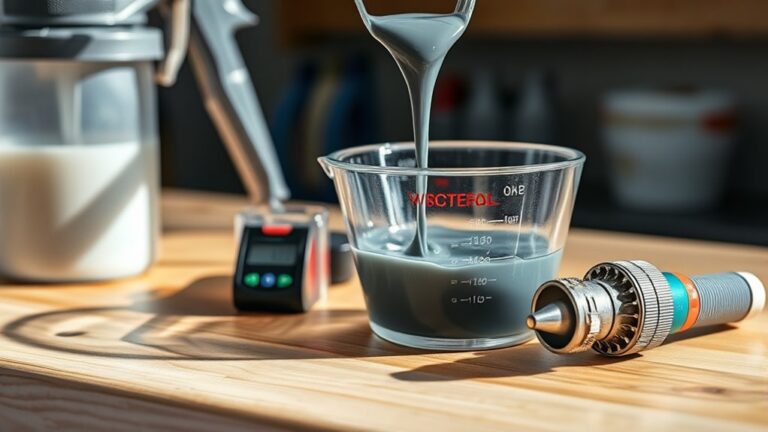
    To thin paint for your sprayer, first gather your paint, strainer, stir stick, and a clean bucket. Stir the paint well and strain it to remove lumps.

    Add water or thinner gradually, about 10% at a time, mixing thoroughly after each addition. Test the consistency with a viscosity cup or by spraying a sample—aim for smooth flow without drips or sputtering.

    Adjust slowly for the perfect balance, and keep experimenting to achieve flawless coverage. It might take a couple of tries, but you’ll get there!

  • Why Is My Paint Sprayer Splattering and How Can I Fix It

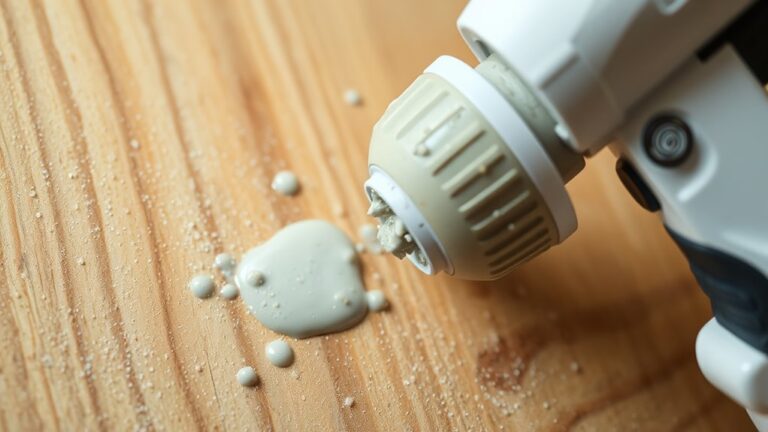
    If your paint sprayer is splattering, it’s likely due to clogged spray tips, worn or misaligned parts, or incorrect adjustments disrupting the spray pattern.

    You can rectify this by cleaning the tips, inspecting and replacing damaged seals or springs, and adjusting the screw at the back to guarantee proper pin seating.

    Also, avoid over-tightening parts and flush your system regularly to prevent buildup.

    Keep your sprayer well-maintained, and you’ll get smoother, consistent results — there’s more you can do to perfect your spraying technique.

  • Should You Use a Paint Sprayer Indoors Safely?

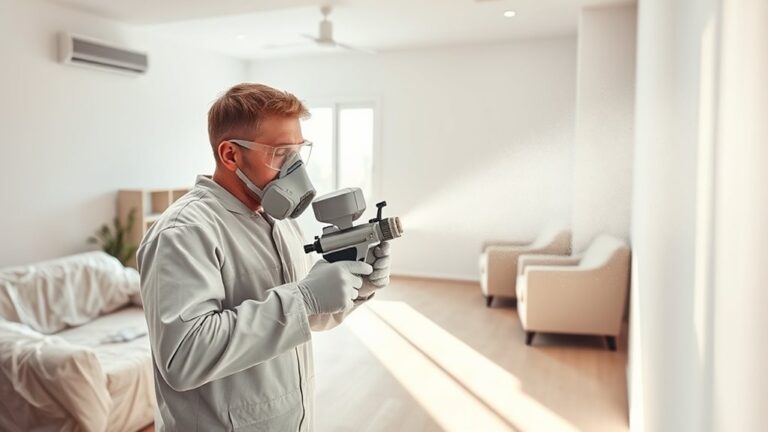
    You can use a paint sprayer indoors safely if you take the right precautions. Make sure to ventilate the area well, wear protective gear like a respirator and goggles, and turn off any gas appliances.

    Prepare your space by covering furniture and floors, and choose an electric sprayer with adjustable pressure for better control. Following these steps reduces health risks and keeps your home clean.

    Keep going to discover more tips for a smooth indoor painting project.

  • How You Use Chalk Paint in a Paint Sprayer

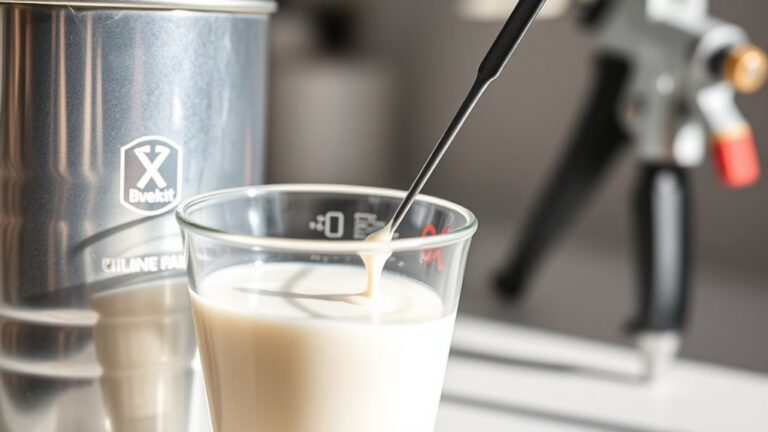
    To use chalk paint in a paint sprayer, start by thinning it with up to 10% water for a smooth flow. Stir thoroughly and strain the paint to remove lumps and bubbles.

    Fill your sprayer halfway and set the flow dial to 2, adjusting the nozzle for your desired spray pattern. Keep the sprayer 10-12 inches from the surface, spraying in overlapping, continuous strokes.

    With fine-tuning, you’ll achieve an even finish. If you’re ready, there’s more to fine-tune your technique and maintain your equipment for flawless results.