Does a Paint Sprayer Use More Paint Than a Roller?
Yes, a paint sprayer generally uses more paint than a roller because of overspray, atomization, and paint drift that waste material. Sprayers can consume 25% to 50% more paint, especially if you’re not careful with your technique or equipment maintenance.
Rollers apply paint more efficiently by delivering it directly onto the surface, minimizing waste. If you want to optimize your paint use and reduce excess, understanding these factors will help you get better results.
So, when deciding between a paint sprayer and a roller, keep in mind that sprayers might look faster but can cost you more in paint. Rollers, on the other hand, are more economical and less messy for many projects.
Key Takeaways
- Paint sprayers generally use 25% to 50% more paint than rollers because of overspray and atomization waste. This means some paint just floats away instead of sticking to the surface.
- Rollers, on the other hand, deliver paint directly onto surfaces. That makes them more efficient and helps cut down on how much paint you actually use.
- The transfer efficiency really depends on the sprayer type. For example, HVLP sprayers can have around 90% efficiency, but airless sprayers might only get about 50%.
- Things like how skilled the operator is, the condition of the equipment, and even the environment — like if it’s windy — can all change how much paint a sprayer uses.
- Using the right technique and keeping your sprayer well-maintained can help reduce paint waste. But honestly, it’s tough to completely match the paint savings you get with rollers.
Comparing Paint Consumption: Sprayers Vs Rollers

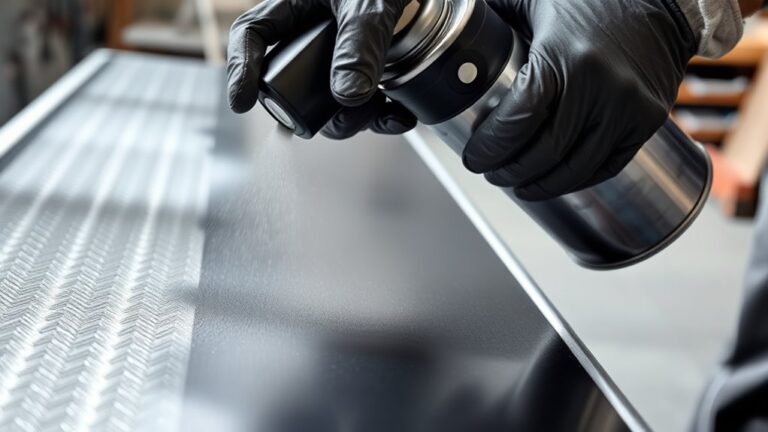
Although paint sprayers speed up application, they typically use 25% to 50% more paint than rollers due to overspray and atomization losses. When you compare paint consumption, spray application often results in increased paint waste because the atomized paint doesn’t land solely on your target surface.
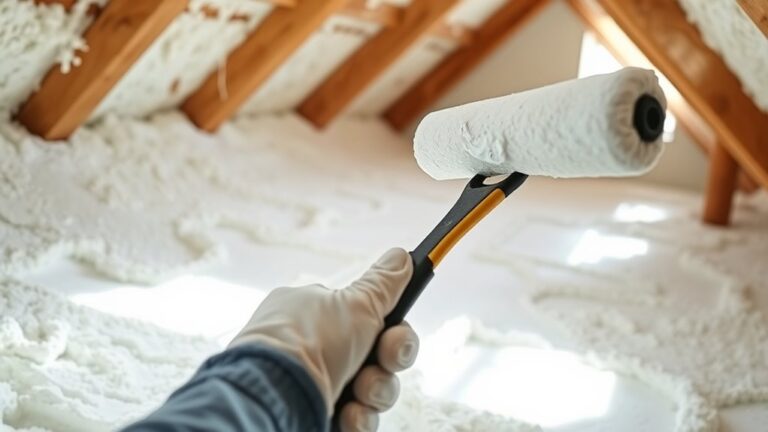
Rollers deliver paint directly, enhancing paint efficiency and reducing material usage. While sprayers can provide a smooth finish quality, they require more masking and prep, especially on large surface areas, which adds to overall paint consumption.
Even with proper calibration and technique, overspray remains a challenge, causing paint to drift beyond the intended surface. So, if you want to minimize paint waste and maximize surface coverage, rollers typically offer better paint efficiency than sprayers.
Factors That Affect Paint Usage With Sprayers

When you use a paint sprayer, several factors influence how much paint you’ll actually need. Transfer efficiency plays a major role—airless sprayers average around 50%, while HVLP models can reach up to 90%. This directly affects paint consumption.
Overspray and atomization cause more paint wastage, often increasing paint usage by 25-33% compared to rollers. Your operator skill also impacts how efficiently you apply paint during spray painting. Proper technique reduces excess paint consumption.
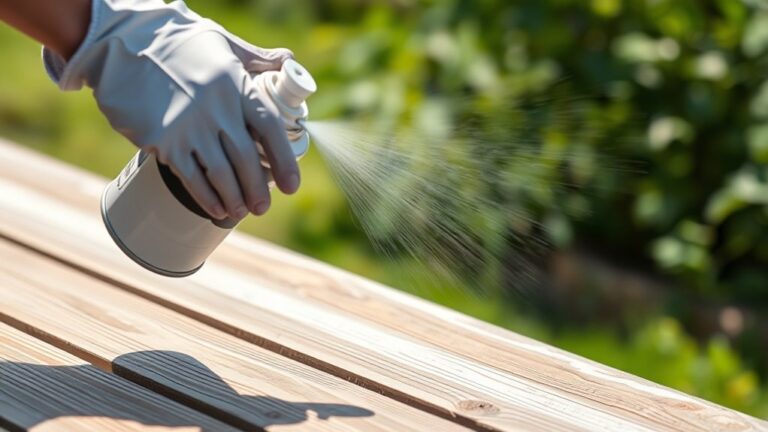
Environmental factors like wind can increase overspray, further raising paint wastage. Additionally, equipment maintenance matters—a worn tip can lead to uneven spray and more paint use. By understanding these variables, you can better manage paint usage and minimize unnecessary waste when spray painting.
Techniques to Minimize Paint Waste When Spraying

To minimize paint waste while spraying, you should focus on maintaining your equipment and technique carefully. Start with sprayer maintenance by replacing worn or rusted tips to ensure a consistent spray pattern. This prevents uneven application and excess paint use.
Practice sprayer techniques like keeping the sprayer gun at a proper gun angle—perpendicular to the surface—and maintaining a steady distance for even coverage. Also, adjust pressure to the lowest setting that still delivers good coverage to reduce overspray control issues.
Avoid spraying in windy conditions, which cause paint drift and waste. And finally, use strategic positioning to catch overspray, allowing excess paint reuse. These steps are essential for effective paint waste minimization and help you spray efficiently without overusing paint.
Frequently Asked Questions
What Are the Downsides of Paint Sprayers?
You’ll face overspray, paint waste, and tricky cleanup with paint sprayers. They’re harder to control in tight spots and windy conditions can cause drift.
Plus, worn tips can lead to uneven coverage and excess paint use. It’s something to watch out for if you want a smooth finish.
Is It Cheaper to Spray or Roll Paint?
It’s usually cheaper to roll paint for small jobs since you waste less paint.
But if you’ve got a big project, spraying can save you time and labor, making it more cost-effective despite higher paint use.
Do Professional Painters Use Sprayers or Rollers?
You’d think pros just spray everything, but nope—they mix it up. They spray big surfaces for speed and smoothness, then switch to rollers for edges and details.
That way, they make sure every inch looks just right without wasting paint. It’s all about getting the job done efficiently and neatly.
Do You Use More or Less Paint With a Paint Sprayer?
You use more paint with a paint sprayer because it creates overspray and atomization, causing extra waste.
Though sprayers speed up work, they generally consume 25-33% more paint than rollers, so expect higher usage. It’s a trade-off between speed and paint efficiency.
Conclusion
When choosing between a paint sprayer and a roller, remember that sprayers can sometimes use more paint due to overspray. But with the right technique, you can keep waste to a minimum.
Think of it like wielding a fine brush versus a broad stroke—each has its rhythm and flow.
Master your approach, and you’ll find that both tools can give you a beautifully painted finish without pouring your paint away like water. So, does a paint sprayer use more paint than a roller? It can, but not necessarily. With practice and proper control, a paint sprayer can be just as efficient as a roller, delivering smooth coverage without excessive paint consumption. Ultimately, the choice depends on your project and how well you handle the tool.