Day: September 10, 2026

  • How You Spray Paint Galvanized Steel Step by Step

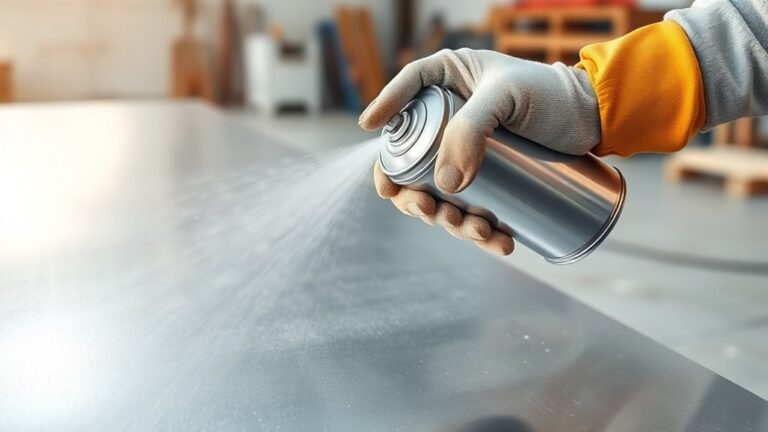
    To spray paint galvanized steel, start by thoroughly cleaning the surface with a degreaser or vinegar to remove oils and dirt. Lightly sand to roughen any shiny spots, then dry completely.

    Apply a zinc-phosphate or etching primer in thin, even coats, letting each dry fully. Next, spray multiple light layers of paint with smooth, overlapping passes for a uniform finish.

    Proper prep and technique guarantee durability and rust resistance—keep going to discover how to perfect each step.


  • How Long Can You Leave Paint in a Wagner Sprayer Without Damage?

    You shouldn’t leave paint in your Wagner sprayer for more than a few hours, as drying paint can clog the nozzle and damage internal parts.

    For water-based paints, proper cleaning and storing the sprayer in a cool, dry place can help if you need to pause briefly. Leaving paint inside longer risks costly repairs and reduced performance.

    Want to keep your sprayer in top shape and avoid damage? Here’s what else you should know.

  • How You Spray Paint Galvanised Steel Step by Step

    To spray paint galvanized steel, start by thoroughly cleaning the surface with a damp cloth or vinegar to remove oils and dirt. Then, remove any rust or loose paint by sanding or wire brushing, and lightly roughen shiny areas for better grip.

    After rinsing and drying completely, apply a zinc phosphate primer in light, even coats. Once the primer’s dry, spray your paint evenly, letting each layer cure properly for lasting protection.

    Keep going to discover detailed tips for a flawless finish.

  • How You Can Spray Paint Furniture Step by Step

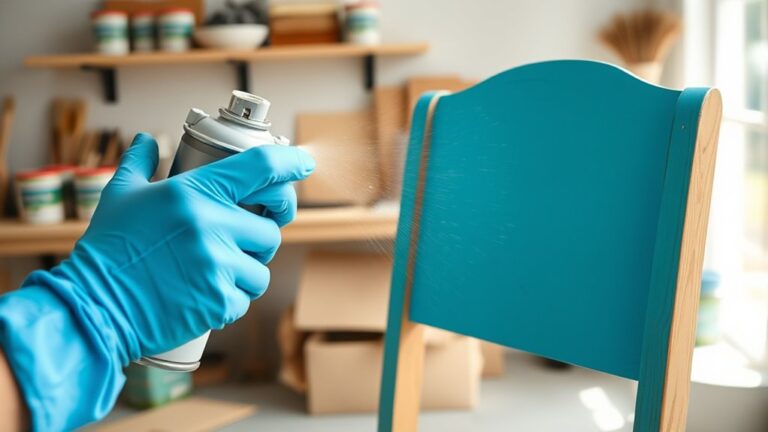
    Start by removing all hardware and cleaning your furniture well. Lightly sand the surface with 320-grit sandpaper, then wipe away dust.

    Apply a suitable primer in thin coats to make sure paint sticks and looks smooth. Shake your spray paint can vigorously, then spray multiple light layers from 10-12 inches away.

    Let each coat dry before adding more. Finish with a clear topcoat for durability. Keep following to open tips that guarantee a flawless, long-lasting finish.

  • How to Do Thin Paint for a Sprayer in 10 Easy Steps

    First, measure 12 oz of paint and 4 oz of water using a one-quart measuring cup to keep a consistent 3:1 ratio. Mix the paint and water thoroughly, stirring for 2-3 minutes until smooth.

    Next, test the mixture’s viscosity with a viscosity cup, aiming for a flow time of 25-40 seconds. If it’s too thick, add small increments of water and test again.

    Then, filter the paint to remove any debris. Finally, prepare your spray container and set up the sprayer for the best finish.

    Keep going and make sure everything is set up right to ensure flawless spraying results.

  • How You Can Spray Paint Foam Core Board Without Damage

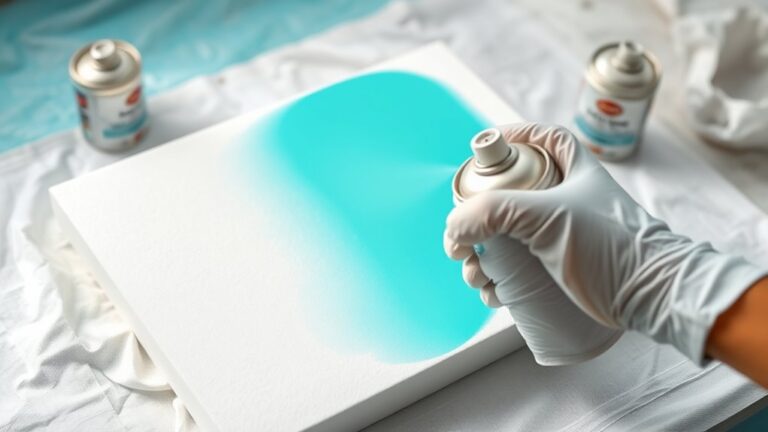
    To spray paint foam core board without damage, you should first seal the surface using a thin layer of diluted white glue or Mod Podge. This helps protect the polystyrene core from solvents. Let it dry completely before moving on.

    Next, apply a foam-specific primer for extra protection. Make sure you use foam-safe spray paint and apply multiple light coats from 8–12 inches away. Keep the can moving steadily while you spray.

    This approach prevents melting and ensures a smooth finish. Keep these tips in mind for a flawless paint job. And if you want, you can learn how to master the process even further!

  • How to Thin Oil-Based Paint for Sprayer in 5 Easy Steps

    To thin oil-based paint for your sprayer, first gather your paint, thinner (like turpentine), and protective gear. Make sure you’re working in a well-ventilated area to stay safe.

    Pour the measured paint into a clean container. Then, add the thinner slowly while stirring thoroughly to mix it well.

    Use the drip test to check the paint’s flow. You’re aiming for a consistency that’s smooth and runs like melted milkshake.

    If it’s too thick or too thin, adjust the thinner amount until it’s just right. After that, strain the paint to remove any lumps.

    Finally, do a test spray to make sure the coverage is even. Keep at it, and you’ll uncover detailed tips for a flawless finish.

  • How You Can Spray Paint Foam Board Without Damage

    You can spray paint foam board without damaging it by first sealing the surface with a protective layer like diluted white glue or Mod Podge. Let this sealant dry completely before spraying.

    Use multiple thin coats of spray paint designed for foam, allowing each to dry fully to avoid drips or melting. Always test on a small area to guarantee compatibility.

    Following these steps helps you achieve a smooth, durable finish. Keep going to discover more expert tips for flawless results.