Day: August 26, 2026

  • Can I Spray Paint Wood?

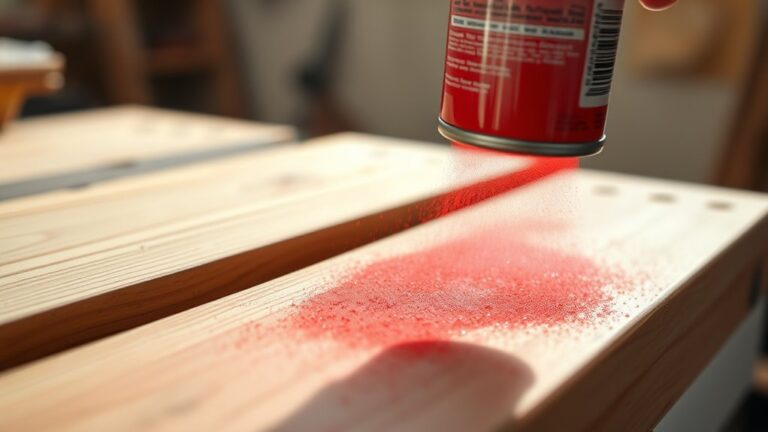
    Yes, you can spray paint wood, but success hinges on good preparation. Start by sanding the wood smooth and cleaning off any dust or grease.

    Protect surrounding areas with drop cloths and work in a well-ventilated space. Shake your spray paint can well, hold it about 10-12 inches from the surface, and apply light, even coats.

    Let each coat dry before adding more for a flawless finish. Keep going to discover tips that make your project durable and professional-looking.

  • How Can You Remove Spray Paint Step by Step?

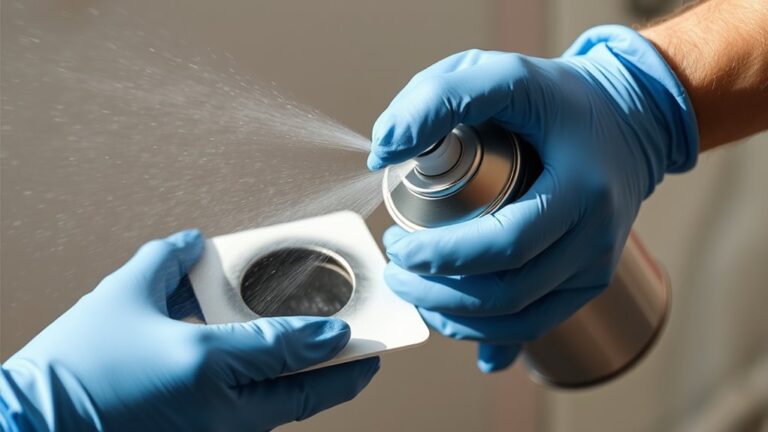
    To remove spray paint, first protect yourself with gloves and make sure the area is well-ventilated. You don’t want to breathe in any fumes or get paint remover on your skin.

    Next, figure out what kind of surface you’re dealing with—concrete, metal, wood, plastic, or glass. Each surface calls for a different approach.

    Start by gently scrubbing or scraping off any loose paint. Be careful not to damage the surface while you do this.

    Then, use chemical removers that are right for the material. For example, paint stripper works well on metal, while rubbing alcohol is better for plastic.

    If you’re working with delicate surfaces, try sanding lightly or using non-abrasive pads to avoid scratches.

    Don’t forget to cover nearby areas to protect them from any accidental spills or splashes.

    Keep reading for detailed, surface-specific steps to remove spray paint effectively.

  • Do You Need to Thin Paint for a Wagner Sprayer and How to Do It

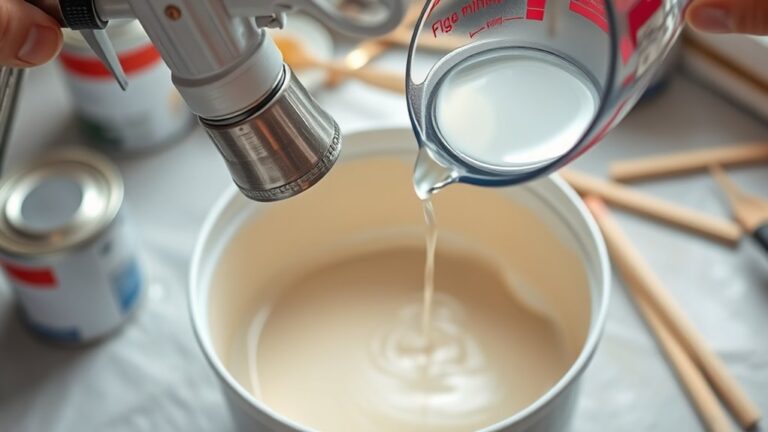
    You usually need to thin paint for your Wagner sprayer to guarantee it flows smoothly through the nozzle, preventing clogging and uneven coverage.

    For water-based paints, add about 10% water or a suitable conditioner and stir well. Strain the paint for consistency and test spray on a scrap surface before starting.

    Oil-based paints require specific thinners. Proper thinning gives you a smooth, even finish.

    And understanding the right ratios and techniques can improve your results considerably.

  • How to Spray Paint Vinyl Step by Step

    To spray paint vinyl, start by thoroughly cleaning the surface with a degreaser and rinsing it well, then let it dry completely.

    Cover any areas you don’t want painted using tape and plastic covers to avoid overspray. Use spray paint made specifically for vinyl or plastics and hold the can 8-12 inches away, applying two thin, even coats.

    Once dry, consider adding a protective wax for durability. Keep going to uncover more tips for a flawless finish.

  • How You Can Get Spray Paint Off Your Hands Quickly

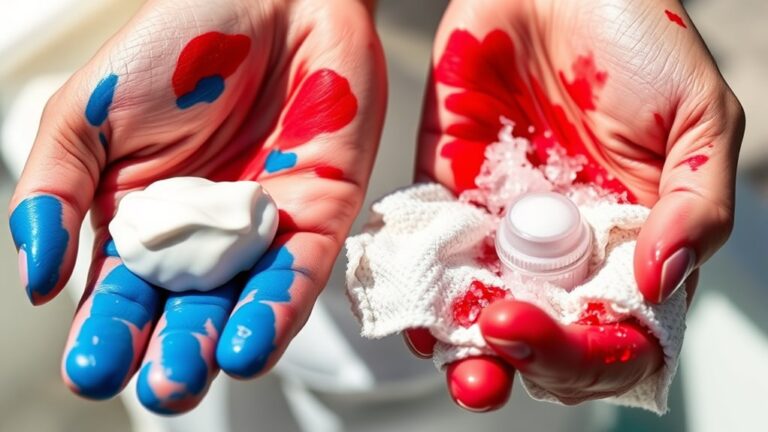
    If you want to get spray paint off your hands quickly, start by applying some vegetable or baby oil to soften the paint. Rub gently with a cloth. Then wash your hands with warm, soapy water to remove any residue.

    For tougher stains, a commercial paint remover can help. But use it carefully to avoid irritation. Acting fast prevents the paint from drying and sticking.

    Keep following for more effective removal and prevention tips. You’ll be glad you did!

  • How to Spray Paint Plastic Step by Step

    To spray paint plastic, start by cleaning the surface with soap and water. Then, sand lightly using 180-220 grit sandpaper.

    Wipe away dust and clean with mineral spirits or alcohol. Make sure it’s dry before applying a plastic-specific primer in thin coats.

    When you spray paint, hold the can 8-12 inches away. Use smooth, overlapping motions with light layers.

    Let each coat dry before applying the next one. This helps you get a smooth, lasting finish.

    Keep going to uncover tips for a flawless result!

  • How You Can Get Spray Paint Off Your Car Step by Step

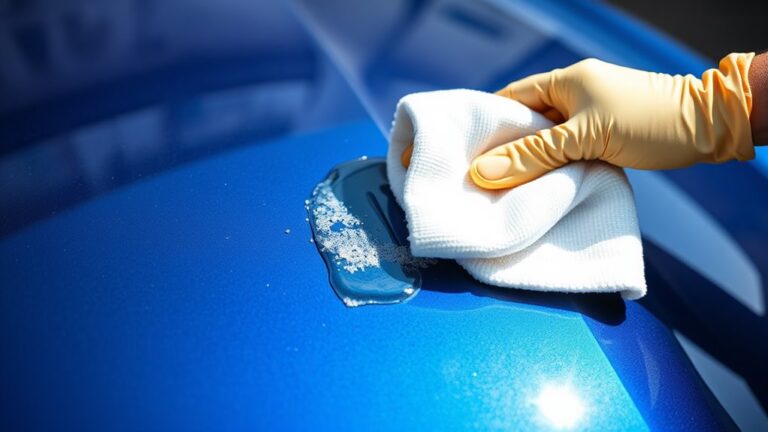
    To get spray paint off your car, start by washing and drying the area thoroughly. Use a microfiber applicator with a small amount of Butter Wet Wax and gently rub the paint in side-to-side motions.

    For larger spots, try a dual action polisher with a finishing pad, making slow, overlapping passes. Check the surface regularly and repeat if needed, ensuring the clear coat stays intact.

    Keep going, and you’ll uncover detailed tips to restore your car’s finish perfectly. It’s all about patience and a little elbow grease!

  • How Do You Thin Paint for a Paint Sprayer in 3 Easy Steps

    To thin paint for a paint sprayer, first check the paint’s consistency and follow the manufacturer’s guidelines to see if thinning is needed.

    Next, add the right thinner—use water for water-based paint or mineral spirits for oil-based paint—mixing carefully to the recommended ratio.

    Finally, strain the paint through a fine mesh and test spray on a scrap surface to ensure smooth flow and even coverage.

    Keep going to discover tips on perfecting each step for the best finish.

  • 10 Best Tips to Spray Paint Over Rust

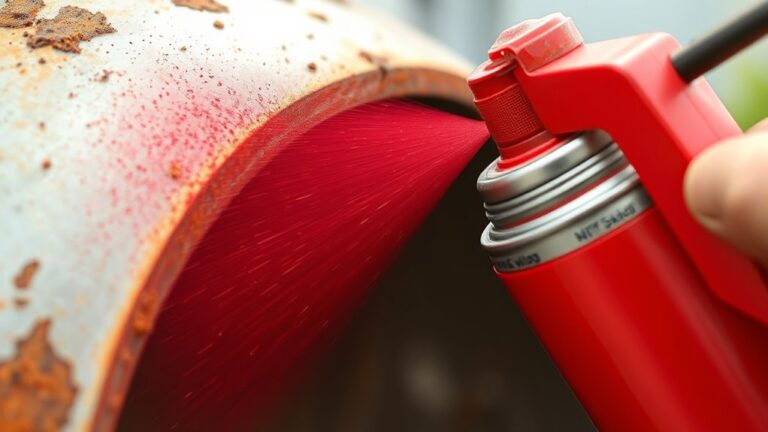
    To spray paint over rust effectively, start by thoroughly removing loose rust and debris using a wire brush or metal scrubber. Then, clean and dry the surface completely.

    Next, apply a rust-inhibiting primer evenly in thin coats. Make sure to let each coat dry fully before moving on to painting.

    When you spray paint, use light, even layers from about 10-12 inches away. Also, allow proper drying time between each coat.

    It’s best to work in a shaded, well-ventilated area and try to keep the temperature ideal for painting.

    Keep going to discover how to achieve a flawless, long-lasting finish.