How to Spray Paint Vinyl Step by Step
To spray paint vinyl, start by thoroughly cleaning the surface with a degreaser and rinsing it well. This step is crucial because it removes dirt, oils, and grime that can prevent the paint from sticking properly. Once cleaned, let the surface dry completely before moving on.
Next, cover any areas you don’t want painted using tape and plastic covers to avoid overspray. This helps keep your project neat and ensures the paint only goes where you want it.
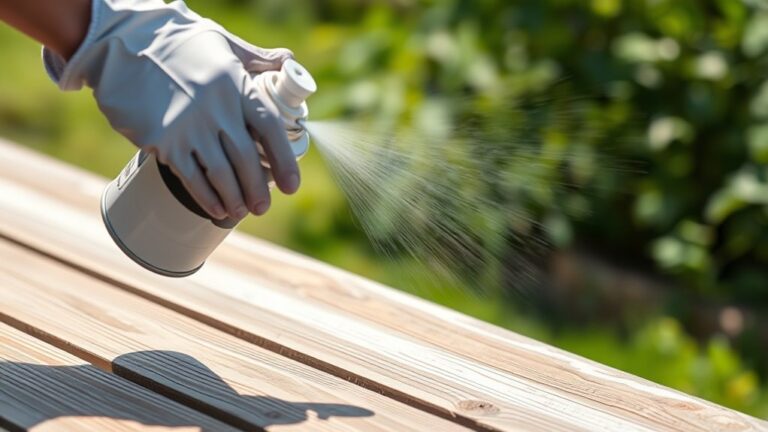
Use spray paint made specifically for vinyl or plastics. Hold the can about 8-12 inches away from the surface, and apply two thin, even coats rather than one thick one. Thin coats dry better and reduce the chance of drips or runs.
After the paint has dried, consider adding a protective wax. This adds durability and helps your paint job last longer. Keep going to uncover more tips for a flawless finish!
Key Takeaways
- Thoroughly clean and degrease the vinyl surface, then rinse and dry completely for optimal paint adhesion.
- Mask and cover surrounding areas to protect from overspray and ensure clean paint edges.
- Use spray paint specifically designed for vinyl or plastic surfaces, such as Dupli-Color or Rustoleum.
- Apply two thin, even coats from 8-12 inches away, allowing each coat to dry fully before the next.
- After the final coat dries, apply a spray-on wax to protect and prolong the paint finish.
Preparing and Cleaning Vinyl for Painting

Before you start painting, make sure to thoroughly clean the vinyl surface with a degreaser like Krud Kutter to remove dirt, oils, and germs. This step is essential to prepare the vinyl for paint application.
After degreasing, rinse the vinyl with clean water and wipe it down using a wet cloth to remove any degreaser residue. Ensuring the surface is spotless and dry will improve adhesion and help prevent peeling later.
Rinse and wipe the vinyl thoroughly to remove degreaser residue, ensuring better paint adhesion and durability.
Next, cover areas you don’t want painted, like chair legs, with a garbage bag and tape around the seat base to avoid overspray. Properly preparing and covering your vinyl surface guarantees full coverage and a smooth finish once you begin painting.
Skipping these steps could cause uneven paint and adhesion problems. So, take your time getting the surface ready—it really pays off in the end!
Applying and Finishing Spray Paint on Vinyl

When you start applying spray paint to vinyl, choose a product designed specifically for vinyl or plastics, like Dupli-Color or Rustoleum. This helps guarantee the paint adheres well and lasts longer.
During spray painting, make sure to apply the paint evenly by holding the can about 8-12 inches away and using smooth, sweeping motions. It’s better to apply two thin coats rather than one heavy one for full coverage. Just be sure to let each coat dry completely before adding the next.
Don’t forget to protect areas you don’t want painted by covering them with tape and plastic. After the second coat is fully dry, you might want to apply a spray-on wax. This helps defend the paint and makes it more durable.
Frequently Asked Questions
What Kind of Spray Paint Works on Vinyl?
You’ll want spray paints made specifically for vinyl or plastics, like Dupli-Color Vinyl Spray. Choose ones with built-in primers designed for non-porous surfaces, ensuring compatibility to avoid peeling or cracking.
Always test first on a small spot. It’s better to be safe than sorry! That way, you can see how the paint adheres before committing to the whole surface.
What Are Common Mistakes When Painting Vinyl?
Over 70% of vinyl paint jobs fail due to common mistakes like skipping thorough cleaning, using regular spray paint instead of vinyl-specific, applying too few coats, neglecting taping for stripes, or rushing drying times.
Don’t make these errors! Take your time and prep properly to get the best results.
What Kind of Paint Will Stick on Vinyl?
You’ll want to use spray paints designed for vinyl or plastics, like Dupli-Color or Rustoleum vinyl spray paint. These have primers built-in to bond better, ensuring your paint sticks well and lasts longer on vinyl surfaces.
These sprays are specially made to handle the slick, non-porous nature of vinyl. So, your paint job won’t peel or chip easily. Just make sure to clean the vinyl surface properly before painting to get the best results.
What Is the Best Way to Paint Vinyl?
The best way to paint vinyl is to clean it thoroughly first. This helps remove any dirt or oils so the paint sticks better.
Next, lightly sand the surface. This gives the paint something to grip onto and improves adhesion.
After that, apply vinyl-specific spray paint in thin coats. It’s better to do several light layers than one thick one.
Let each layer dry completely before adding the next. This prevents drips and uneven coverage.
Finally, finish with a clear topcoat. This adds durability and helps protect your paint job.
Conclusion
Think of spray painting vinyl like tending a garden. You start by clearing the weeds—cleaning the surface—so your paint can take root.
Each gentle coat is like watering new seeds, nurturing a fresh layer of color that blooms with vibrancy. Just as a garden needs patience and care to flourish, your vinyl needs your steady hand and attention.
Follow these steps, and you’ll watch your project transform from bare to beautifully alive. Spray painting vinyl takes a bit of practice, but with the right preparation and technique, your paint will stick smoothly and last longer. Remember to clean the vinyl thoroughly, apply thin coats, and allow proper drying time between layers.
By following this simple guide on how to spray paint vinyl step by step, you’ll achieve a vibrant, durable finish that makes your project stand out beautifully.