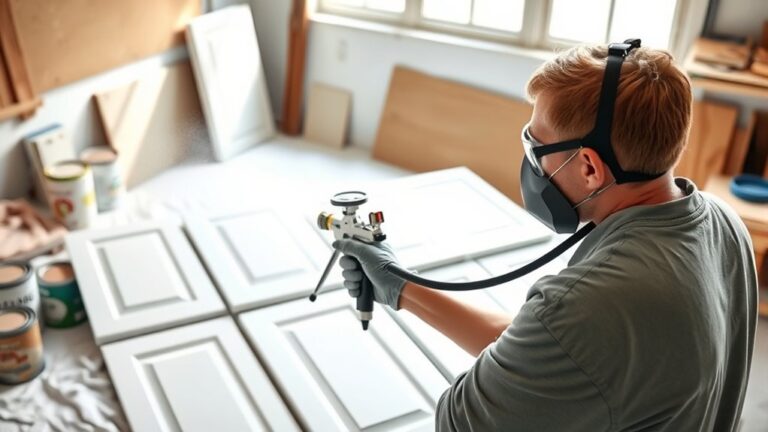
How Do You Fix Spray Paint Runs Step by Step
To fix spray paint runs, start by waiting until the paint is just tacky. This means it’s slightly sticky but not fully dry. Then, gently wet sand the run with a medium grit block. This helps level the surface without removing too much paint.
Next, smooth the area with a fine grit sponge while keeping it wet. This step refines the surface and prepares it for repainting.
After that, apply light, even coats of paint. Be sure to let each coat dry completely before adding the next one.
Keep an eye out for any imperfections as you go. If you notice more runs or bumps, you might need to repeat the sanding and painting process.
With patience and practice, you’ll achieve a seamless result and improve your spray painting technique every time.
Key Takeaways
- Wait until the spray paint is tacky (about 5 minutes) before starting. This helps avoid damaging the surface when you sand it.
- Wet sand the paint run gently with a medium grit sanding block. Keep it wet to prevent clogging and to level out the uneven area.
- Use a fine grit wet sponge to smooth the surface further. This also gets it ready for repainting.
- Apply light, even coats of paint with a fine spray pattern. Make sure each coat dries completely before adding the next one.
- After each coat, inspect the surface carefully. Do any touch-ups needed to keep the finish smooth and free of runs.
Preparing and Sanding the Paint Run
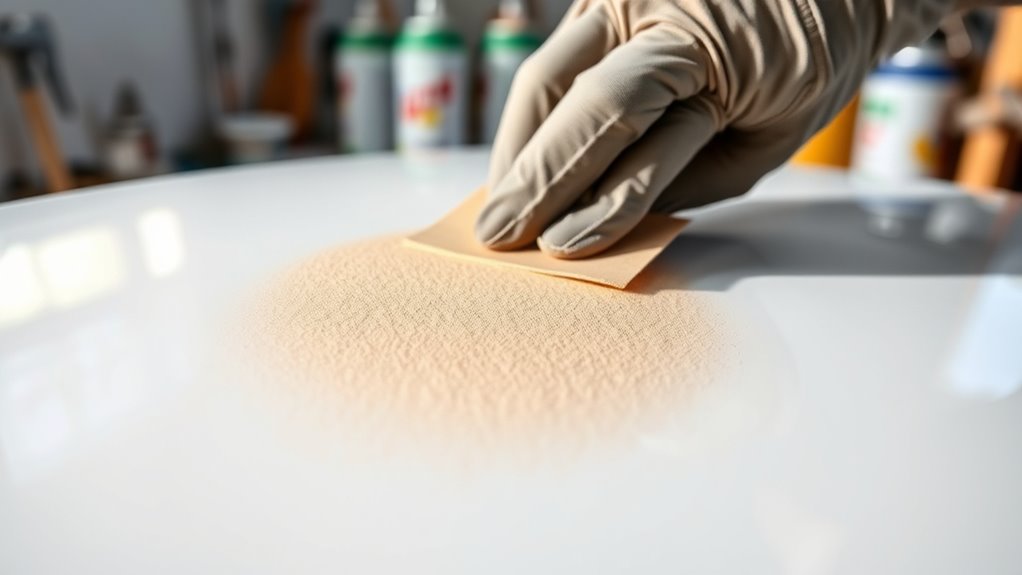
Allowing the spray paint to dry until it’s just tacky—about five minutes for John Deere paint—lets you start sanding without damaging the surface. Once the coat is tacky, gently wet sanding the paint run with a medium grit block helps level the uneven area.
Keep the sanding block wet to avoid gumming and to maintain smoothness. As you sand, frequently check the surface by touch to ensure you’re leveling the run without removing too much paint. This careful sanding preps the area, creating a more even finish.
Before moving on, switch to a fine grit wet sponge to further smooth the surface. This step is vital for achieving a flawless finish and prepares you to let the paint dry completely before the next phase.
Repainting and Finishing Touches

Once you’ve sanded the paint run smooth, you’ll want to reapply the paint in light, even coats to guarantee a seamless blend with the surrounding area. Let each coat dry completely before applying the second coat to avoid drips and runs.
Make sure you use a fine spray pattern and keep a consistent distance from the surface. Don’t spray too much paint at once—thin layers work best. Check frequently for any imperfections.
| Step | Action | Tip |
|---|---|---|
| 1 | Spray light first coat | Use thin, even spray paint |
| 2 | Let it dry | Prevent drips and runs |
| 3 | Apply second coat | Build coverage gradually |
| 4 | Inspect surface | Make sure finish is smooth |
Frequently Asked Questions
How to Fix a Splotchy Spray Paint Job?
To fix a splotchy spray paint job, sand the area lightly, clean it thoroughly, then apply several light, even coats from a consistent distance.
Make sure you keep your hand moving steadily to avoid drips and uneven spots.
Finish with a clear coat to blend everything smoothly together.
It really helps to be patient and let each layer dry before adding the next one.
What Causes Spray Paint to Run?
Spray paint runs because you apply too much paint at once, hold the can too close, or use excessive spray pressure.
Humidity, cold temperatures, and poor surface prep also make runs more likely to form on your project.
So, it’s a good idea to spray in light, even coats and keep the can at a proper distance.
Also, prepping your surface well and choosing the right weather conditions can really help avoid those pesky runs.
How to Stop Spray Paint From Running?
Oh, sure, just spray like a waterfall! But if you want to stop runs, spray thin coats, keep your can moving, and maintain the right distance.
Trust me, less is more to avoid that dripping disaster.
What Is the Best Way to Fix Paint Runs?
The best way to fix paint runs is to wait until the paint skins over. Then, gently brush the run with a small brush dipped in solvent.
Be careful to blend it in smoothly and avoid using too much solvent. If needed, you can reapply paint for a flawless finish.
Conclusion
Now that you’ve tackled the paint runs and smoothed the surface, isn’t it satisfying to see your work looking flawless again? By carefully sanding and repainting, you’ve restored that perfect finish without starting over.
Remember, patience and attention to detail make all the difference. Fixing spray paint runs isn’t just about quick fixes—it’s about taking your time to get it right. So next time you spot a drip or a run, you’ll know exactly how to fix it quickly and easily.
With these simple steps, your spray paint projects can look professional every time. Ready to take on your next spray paint project with confidence? You’ve got this!