Blog

  • How to Clean an Airless Paint Sprayer in 3 Easy Steps

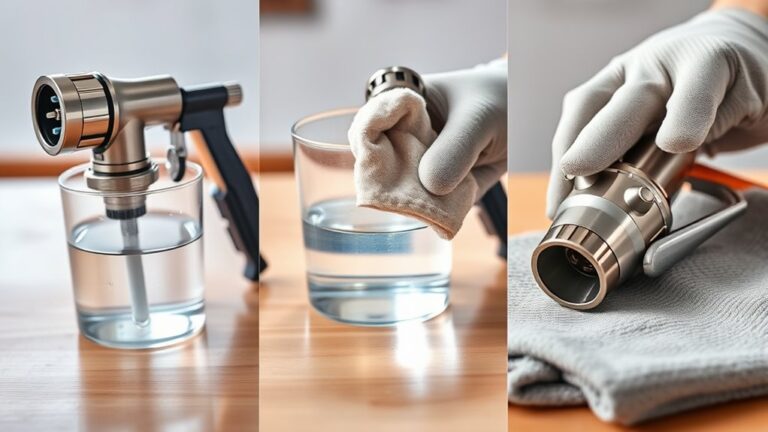
    To clean your airless paint sprayer in 3 easy steps, start by flushing the system with clean water to remove paint residue and relieve pressure.

    Next, thoroughly clean the spray gun, hoses, and filters by running water through and removing any debris.

    Finally, reassemble everything, perform a final flush, and prepare the sprayer for storage by adding antifreeze if needed.

    Keep going to discover tips that’ll make your cleaning even more effective and extend your sprayer’s life.

  • How You Spray Paint Leather Step by Step

    To spray paint leather, first clean it thoroughly with a mild cleaner and let it dry. Lightly sand the surface or use a deglazer to help paint stick, then apply an adhesion primer evenly and let it cure for 24 hours.

    Shake your spray paint can well, hold it 6 to 12 inches away, and spray thin, even coats using smooth, overlapping motions.

    After painting, seal the leather and allow it to cure fully for durability. Keep going to explore tips for a flawless finish.

  • How You Can Spray Paint Lamp Shades Step by Step

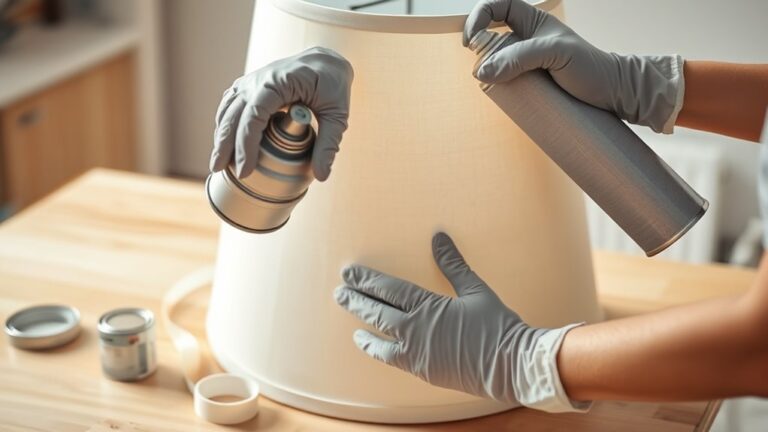
    To spray paint your lamp shade, start by cleaning it well and taping off areas you don’t want painted. Lightly sand and prime if it’s plastic or metal.

    Make sure you’re working in a well-ventilated area. Apply light, even coats from 6-12 inches away, letting each dry before the next.

    Support the shade for full coverage and avoid drips by moving the spray can steadily. Once done, let it cure fully.

    Keep going to discover tips for a flawless finish.

  • How You Use Oil-Based Paint in a Sprayer Step by Step

    Start by flushing your sprayer with mineral spirits to avoid contamination. Thin the oil-based paint about 10-15% with paint thinner for smooth flow.

    Attach a spray tip sized 0.011 to 0.019 inches depending on your project. Fully submerge the suction hose, set the sprayer to prime mode until paint flows steadily, then test spray on a scrap surface.

    After painting, flush the system with mineral spirits to clean thoroughly. Keep going to master every detail for flawless results.

  • How You Can Spray Paint Inside Safely Step by Step

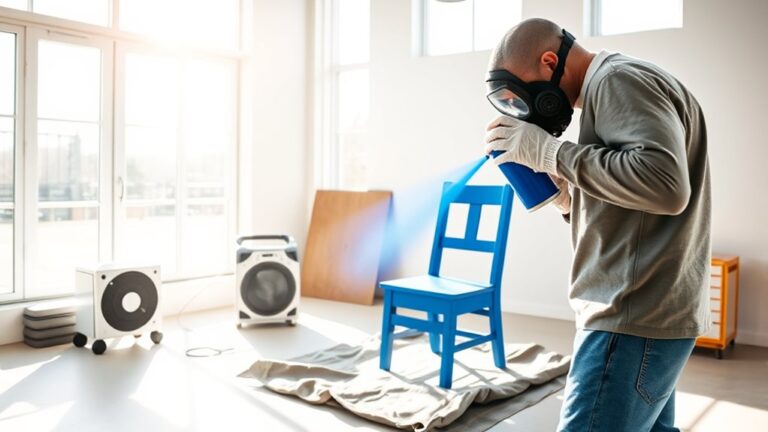
    To spray paint inside safely, start by clearing the area of furniture and covering what you can with plastic sheeting. Tape off walls and trim to prevent overspray.

    Open windows and doors for good airflow, and run exhaust fans to disperse fumes. Wearing a proper respirator and gloves helps protect you.

    Use low VOC or water-based paint to reduce hazards. Keep heat sources away, unplug electronics, and maintain ventilation throughout.

    Following these steps sets you up for a successful indoor paint project. And there’s more to ensure you stay safe and efficient.

  • How Do You Need to Thin Paint for a Sprayer

    You need to thin paint for a sprayer to guarantee it flows smoothly and doesn’t clog the gun. Start by mixing about three parts paint to one part water or a thinning agent, adding it gradually while stirring.

    Test the mixture on scrap material and adjust the amount if you notice sputtering or uneven spray. Proper thinning results in a consistent, professional finish.

    Keep experimenting and you’ll find the perfect balance for your project. It might take a little trial and error, but it’s worth it to get that smooth spray every time.

  • Can You Spray Paint Indoors Safely?

    You can spray paint indoors safely if you take the right precautions. Make sure to wear a proper mask or respirator and keep the area well-ventilated by opening windows or using exhaust fans.

    Cover your furniture and floors with drop cloths or plastic sheets to prevent damage. Use barriers or spray booths to contain overspray and always opt for low-VOC paints to reduce fumes.

    Taking these steps helps protect your health and space—here’s how to make it work smoothly. It’s all about being prepared and cautious, so you get great results without any hassle.

  • 5 Tips You Need to Know to Spray Paint in the Cold

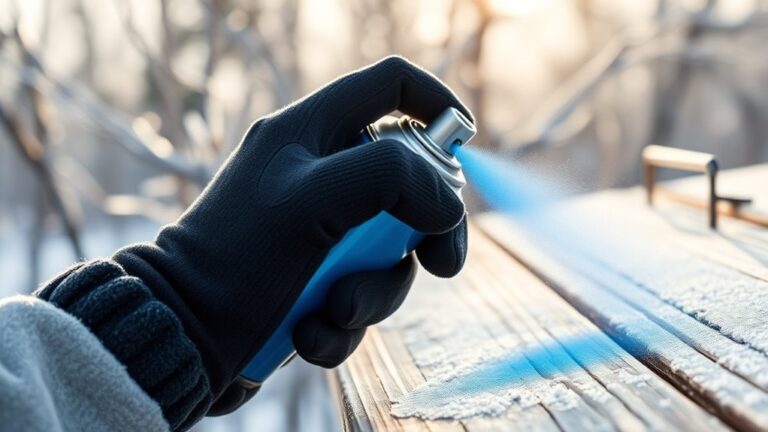
    To spray paint in the cold, start by thoroughly cleaning and sanding your surface for better paint grip. Use a cold-weather primer to improve adhesion and prevent peeling.

    Keep both your spray paint and item warm until you’re ready to apply. Spray in short bursts, then bring the item indoors after each coat to avoid freezing and runs.

    Let your painted item dry inside with good ventilation to guarantee proper curing. Stick around to uncover more detailed tips for flawless results.

  • 10 Easy Steps to Set Up Your Airless Paint Sprayer

    Before you start, turn off and unplug your airless paint sprayer for safety. Attach the paint hose securely, then connect the spray gun to the hose.

    Install the spray guard and tip, making sure everything’s tight. Prepare and strain your paint for smooth flow.

    Next, prime the pump at low pressure. Flush the paint through the system, and slowly increase pressure to achieve the perfect spray pattern.

    Stick with these basics, and you’ll soon master every detail for a flawless finish.