Blog

  • How You Can Spray Paint Pool Noodles Safely

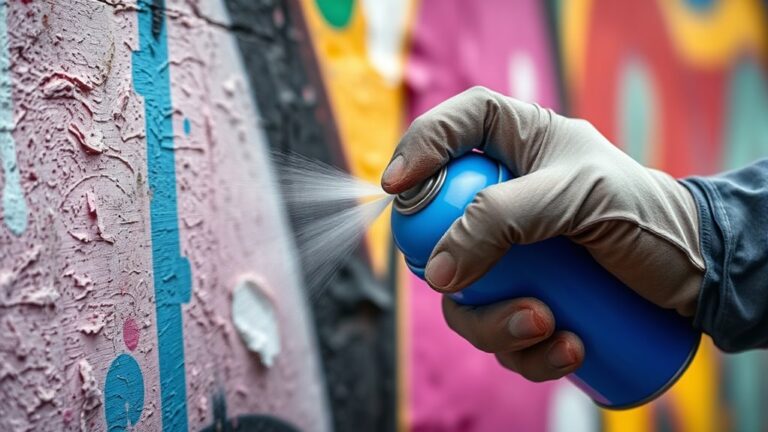
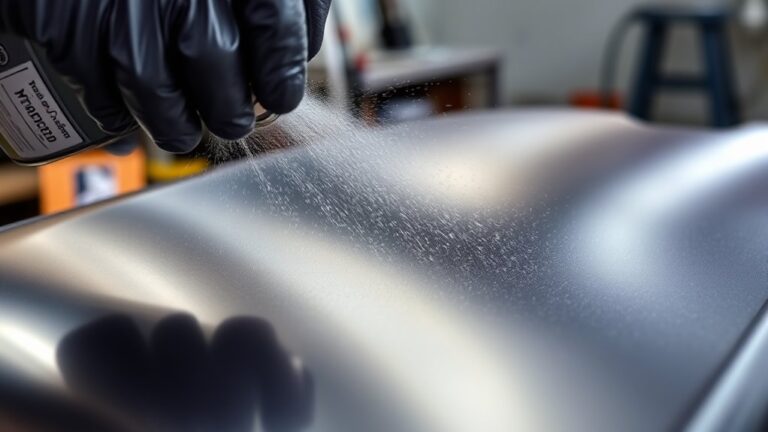
    You can spray paint pool noodles safely by working in a well-ventilated area or outdoors and wearing a paint respirator mask, safety glasses, and gloves.

    Make sure to clean and dry the noodles thoroughly before you start, and use spray paint made specifically for plastics.

    Apply thin, even coats and let each layer dry fully. Don’t rush this part!

    Protect your workspace with drop cloths and stay clear of heat sources while painting.

    If you want to guarantee the best results and safety steps, there’s more to explore. Just take it step by step!
  • How to Clean an Oil-Based Paint Sprayer in 10 Easy Steps

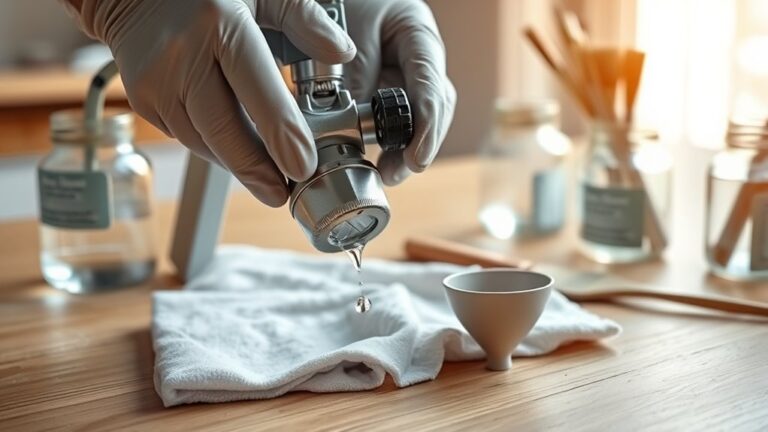
    To clean your oil-based paint sprayer, first turn it off, unplug it, and disassemble the spray gun by removing the tip and nozzle. Choose mineral spirits as your solvent, and make sure to wear protective gear in a well-ventilated area.

    Next, soak and scrub the parts thoroughly. Then, flush the system with clean solvent for about 20-30 seconds to clear out any leftover paint.

    Once everything is dry, reassemble the sprayer. Take a moment to inspect it for any leftover paint, and store the sprayer properly.

    Follow these steps carefully to keep your sprayer working smoothly and avoid any damage. It’s easier than you might think!

  • How You Can Spray Paint Plastic Step by Step

    To spray paint plastic, first clean the surface with soap and water, then let it dry completely. Lightly sand with fine-grit paper to help the paint adhere, wiping away dust afterward.

    Next, apply a plastic-specific bonding primer and let it dry fully. Hold the spray can 8-12 inches away, spraying light, even coats, allowing each layer to dry before the next.

    Patience and proper prep ensure a smooth, lasting finish. Keep going to uncover tips for perfecting your technique.

  • How You Spray Paint Over Spray Paint: Step-by-Step Guide

    To spray paint over existing spray paint, first make sure the old paint is fully dry and cured—wait at least 24 hours. Remove any peeling areas, then lightly sand the surface with 100-220 grit sandpaper to promote adhesion.

    Clean thoroughly with a damp cloth or isopropyl alcohol to remove dust and grease. If the surface is glossy, apply a primer before spraying light, even coats of your new paint.

    Follow drying times between coats for the best results. Keep going to master each step for a flawless finish.

  • How to Thin Paint for HVLP Sprayer in 7 Easy Steps

    To thin paint for your HVLP sprayer, start by gathering the right materials and tools, including a suitable thinner and a viscosity cup.

    Stir your paint thoroughly, then add thinner gradually while mixing well. Use a #4 Ford cup to test viscosity, aiming for about 50 seconds flow time.

    Strain the paint before pouring it into your sprayer, then perform a test spray and adjust as needed.

    Follow these steps closely, and you’ll achieve a smooth, even finish every time.

    More tips can help you perfect your technique.

  • How You Spray Paint Over Rust Step by Step

    Start by wiping the rusted metal clean with a dry cloth to remove loose debris, then scrub with a wet metal scrubber or SOS pad. Sand the area smoothly with fine grit sandpaper, rinse thoroughly, and dry completely.

    Next, apply a rust-inhibiting primer in light, even coats, letting it dry fully. Spray paint over the primer in several thin, uniform layers, holding the can about a foot away.

    To protect your work, finish with a clear coat. Keep following to uncover more detailed tips for a perfect finish.

  • How Airless Paint Sprayers Work Step by Step

    When you use an airless paint sprayer, start by following safety precautions like wearing protective gear and checking hoses for leaks. Set up the sprayer by securely connecting hoses, installing the correct tip, and priming the system to eliminate air pockets.

    Spray consistently about 12 inches from the surface, overlapping each pass for even coverage. Afterward, clean and maintain the equipment to prevent clogs and ensure durability.

    Keep going to discover tips on mastering spray techniques and upkeep. You’ll find it really helps make your painting projects smoother and more professional-looking!

  • How You Spray Paint Over Powder Coating Step by Step

    To spray paint over powder coating, start by cleaning the surface thoroughly with a degreaser to remove dirt and grease. Lightly sand the powder coat with fine-grit sandpaper until it’s dull and rough, helping the primer stick better.

    Next, wipe off dust using a tack cloth, then apply a bonding primer in thin, even coats. Once dry, spray multiple thin layers of your chosen paint, letting each coat dry fully.

    Keep going to discover tips on achieving a smooth, durable finish. It’s all about patience and the right technique!

  • How You Spray Paint Different Materials Step by Step

    To spray paint different materials, first clean and dry the surface thoroughly. Sand rough spots and remove rust on metal.

    Apply a primer suited to your material to promote adhesion. Use spray paint formulated for that specific surface, applying thin, even coats with overlapping strokes.

    Let each coat dry before adding another. Finish with a clear coat for durability.

    Following these steps guarantees a smooth, long-lasting finish. Keep going to discover detailed tips for each material type.