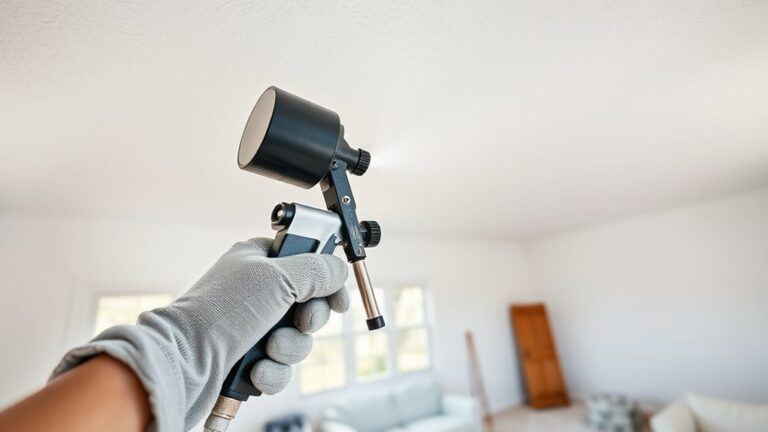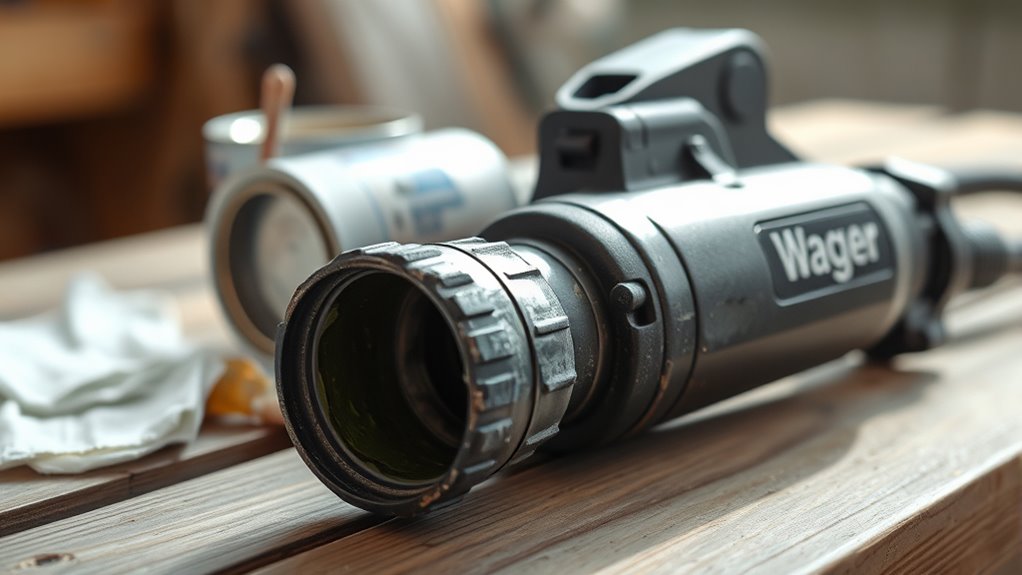
How Long Can You Leave Paint in a Wagner Sprayer Without Damage?
You shouldn’t leave paint in your Wagner sprayer for more than a few hours. Drying paint can clog the nozzle and damage internal parts, which can lead to expensive repairs down the line.
For water-based paints, proper cleaning is key. If you need to pause briefly, make sure to clean the sprayer well and store it in a cool, dry place. This helps prevent paint from drying inside and keeps your sprayer working smoothly.
Leaving paint inside your Wagner sprayer for longer than a few hours is risky. It can reduce performance and cause costly damage.
Want to keep your sprayer in top shape and avoid problems? Here’s what else you should know.
Key Takeaways
- Leaving paint in a Wagner sprayer overnight can lead to clogging and damage unless you clean and store it properly.
- If you’re using water-based paints, you might leave them briefly in the sprayer as long as it’s kept in a cool, dry place and the hoses are submerged in water.
- But it’s best to avoid storing paint inside for too long because it can harden and reduce how well the sprayer works.
- Make sure to clean the sprayer thoroughly and remove the spray tips after each use.
- Doing this really cuts down the chance of damaging the internal parts.
- And remember, always follow the manufacturer’s instructions to keep your sprayer in great shape and avoid expensive repairs.
Factors Affecting Paint Storage Duration in Wagner Sprayers
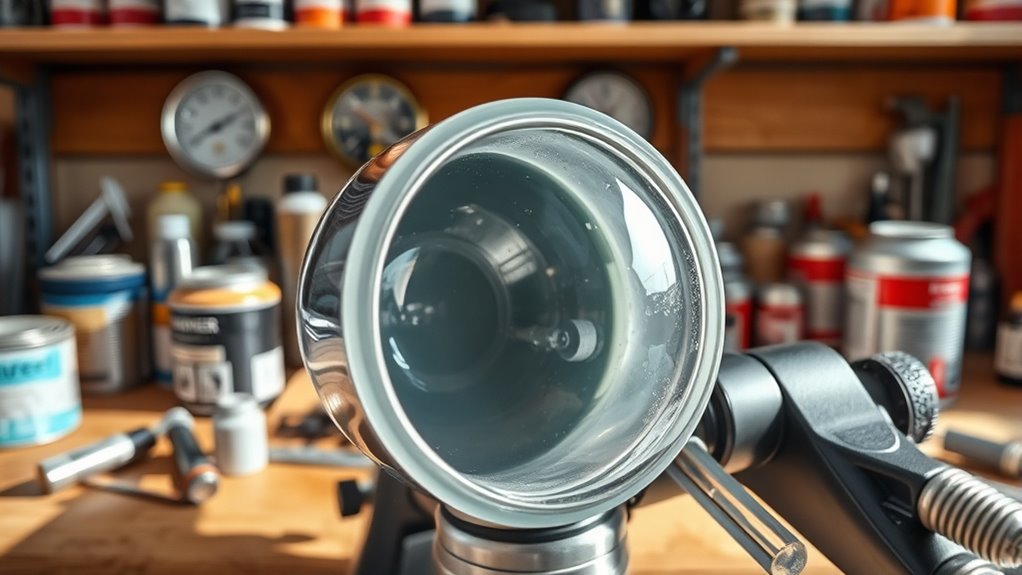
Although it might seem convenient to leave paint in your Wagner sprayer between uses, several factors affect how long you can safely do so without risking clogs or damage. Temperature extremes, whether hot or cold, can cause the paint inside your airless paint sprayer to dry or thicken, leading to poor performance.
The type of paint—latex, oil-based, or solvent-based—also plays a role in how long you can leave it inside. Humidity levels add another layer of risk by accelerating drying or clogging.
To avoid these issues, make sure you clean your sprayer thoroughly after use and store it properly. Leaving paint in the sprayer too long without cleaning increases the chance of hardened residue, which can damage your equipment and shorten its lifespan.
Best Practices for Leaving Paint in Your Sprayer Overnight
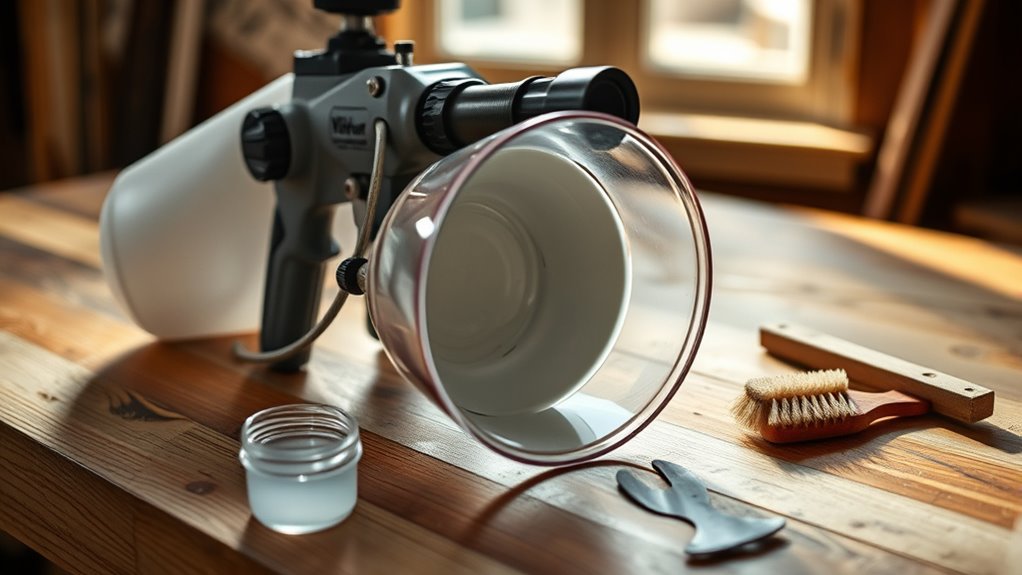
Understanding how factors like paint type and storage conditions affect your Wagner sprayer helps you figure out when it’s safe to leave paint inside overnight.
If you’re working with latex paints or other water-based options, you can leave paint in the sprayer for a short time without cleaning, as long as you store it in a cool, dry place.
Before storing, make sure to release the pressure, remove the spray tip, and keep hoses submerged in water to prevent drying.
However, when it comes to oil-based paints, it’s a different story. You really shouldn’t leave paint inside without cleaning because dried paint can clog and damage your sprayer.
Try to avoid leaving paint in your sprayer for too long to keep it running smoothly.
And of course, always follow the manufacturer’s guidelines to protect your investment.
Risks and Maintenance Tips to Protect Your Wagner Sprayer

If you leave paint inside your Wagner sprayer without proper care, you risk clogging and damaging its components. This can lead to poor spray performance and costly repairs.
To avoid this, prioritize thorough cleaning and maintenance after each use. Spray out excess paint and clean the nozzle. You might also want to consider submerging the spray gun in water or a suitable storage fluid during short-term storage.
Store your sprayer in a cool, dry place to prevent paint from drying inside the lines. Leaving paint inside for a long time increases clogging risks and can cause irreversible damage.
Regular maintenance protects your sprayer from corrosion and premature wear. This way, it performs at its best every time you use it.
Proper cleaning and storage are essential to keep your Wagner sprayer in top shape. Taking these simple steps goes a long way in ensuring your sprayer lasts.
Frequently Asked Questions
How Long Can I Leave Paint in My Wagner Sprayer?
You can leave paint in your Wagner sprayer for up to 24 hours if it’s water-based and stored properly. Just make sure to seal it tightly to prevent drying out.
For oil-based paints, it’s best to clean the sprayer immediately after use. This helps avoid clogging and any potential damage.
Also, always remember to reduce the pressure and clear the tip before storing your sprayer. This keeps everything in good working order for next time.
How Long Can You Let Paint Sit in a Paint Sprayer?
You shouldn’t let paint sit in your sprayer for more than 24 hours, especially oil-based types. Always clean it thoroughly after use to avoid clogs and damage.
Quick cleanup keeps your sprayer working smoothly. So, don’t wait around—clean it as soon as you’re done!
Is It Okay to Leave Paint in an Airless Sprayer Overnight?
You can leave paint in an airless sprayer overnight, but don’t let it nap too long.
Make sure to relieve the pressure and seal the container properly.
If you’re using water-based paints, rinse the sprayer quickly to avoid clogs and keep your sprayer happy.
What Is the Number One Rule When Using an Airless Spray Gun?
The number one rule when using an airless spray gun is to always follow the manufacturer’s instructions for cleaning and maintenance.
You’ll prevent clogs and damage by properly cleaning after every use and inspecting all parts regularly.
Keeping up with this routine not only extends the life of your spray gun but also ensures it works smoothly every time you need it.
Conclusion
You shouldn’t leave paint in your Wagner sprayer for more than 24 hours to avoid clogs and damage. Did you know that up to 70% of sprayer malfunctions come from improper cleaning and storage?
By following best practices like thoroughly cleaning your sprayer and using appropriate storage methods, you’ll keep your equipment in top shape. Taking these simple steps guarantees your Wagner sprayer lasts longer and performs better every time you use it.
So, to keep your Wagner sprayer working smoothly and avoid costly repairs, always clean it out soon after use. Proper maintenance, including not leaving paint inside for too long, is key to extending the life of your Wagner sprayer. This way, you ensure consistent performance and save money in the long run.