How You Can Get Spray Paint Off Your Car Step by Step
To get spray paint off your car, start by washing and drying the area thoroughly. Cleaning the surface well ensures that no dirt or debris will scratch the paint while you work.
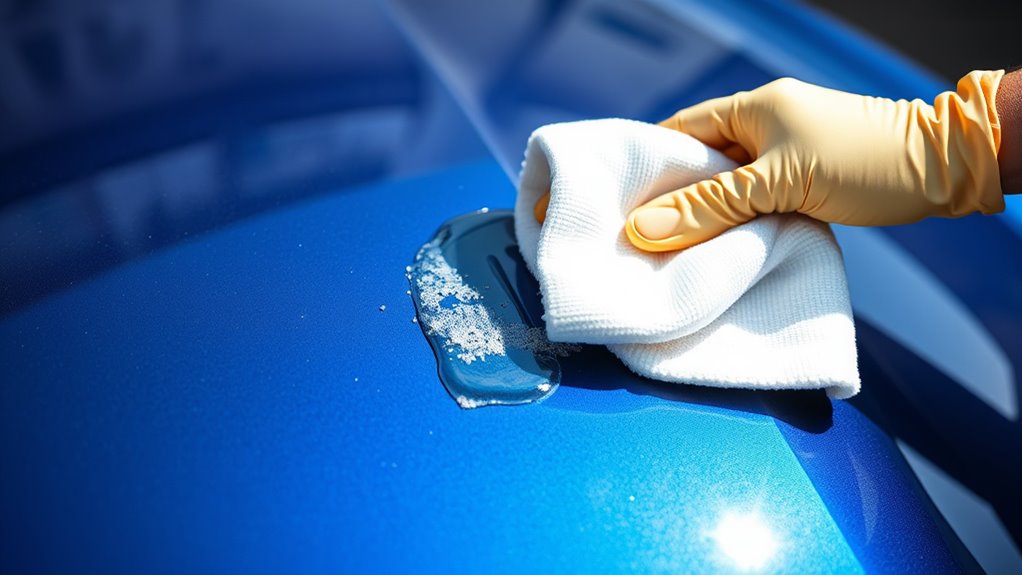
Next, grab a microfiber applicator and apply a small amount of Butter Wet Wax. Gently rub the spray paint in side-to-side motions. This helps lift the unwanted paint without damaging your car’s clear coat.
If you’re dealing with larger spots, a dual action polisher with a finishing pad can make the job easier. Make slow, overlapping passes with the polisher to evenly remove the spray paint.
Be sure to check the surface regularly and repeat the process if needed. Just take your time, and you’ll protect your car’s finish while restoring it beautifully.
Keep going, and you’ll uncover detailed tips to get your car looking like new again!
Key Takeaways
- Wash and dry the affected area thoroughly using soap, water, and a microfiber towel to remove dirt and debris. This step is important to avoid scratching the paint when you start working on the spray paint.
- Apply a small amount of Butter Wet Wax to a microfiber applicator and rub gently over the spray paint with side-to-side motions. Take your time and be gentle to protect your car’s clear coat.
- For larger paint spots, use a dual action polisher with a finishing pad. Make slow, overlapping passes to ensure even removal without damaging the surface.
- Check the area under good lighting after each pass. You might need to repeat waxing or polishing a few times until all the spray paint is gone, but be careful not to overdo it.
- Finish by cleaning the surface once more. Then, apply a protective wax layer to preserve your car’s finish and make it harder for paint to stick in the future.
Prepare Your Car and Tools
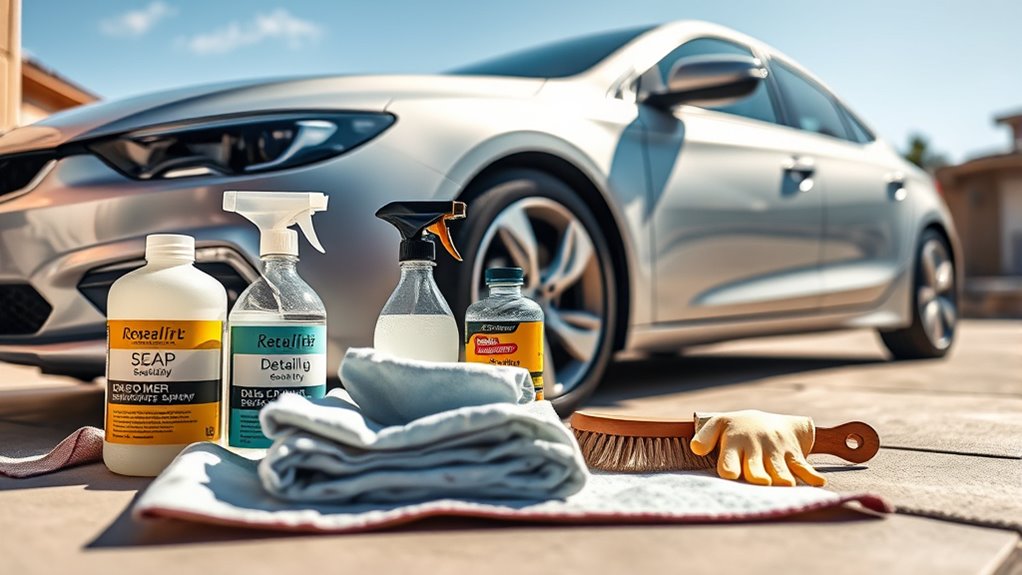
Before you begin removing spray paint from your car, make sure you’ve gathered all the necessary tools, including high-quality microfiber applicators and Butter Wet Wax. You might also want to have a dual action polisher on hand if you’re looking for faster results.
Gather quality microfiber applicators and Butter Wet Wax, plus a dual action polisher for quicker spray paint removal.
To effectively remove spray paint without harming your vehicle’s clear coat, start by thoroughly washing the affected area with soap and water. This will help eliminate dirt and loose debris.
Use only clean, gentle, and non-abrasive tools throughout the process to protect the paint surface. Keeping your applicators and towels free of grit is key because it prevents scratches while you work.
Have a soft microfiber towel ready to inspect the surface between steps. This way, you can ensure the clear coat remains intact.
Proper preparation really helps you safely remove spray paint and maintain your car’s finish. So, take your time gathering everything you need before you dive in!
Step-by-Step Spray Paint Removal Process
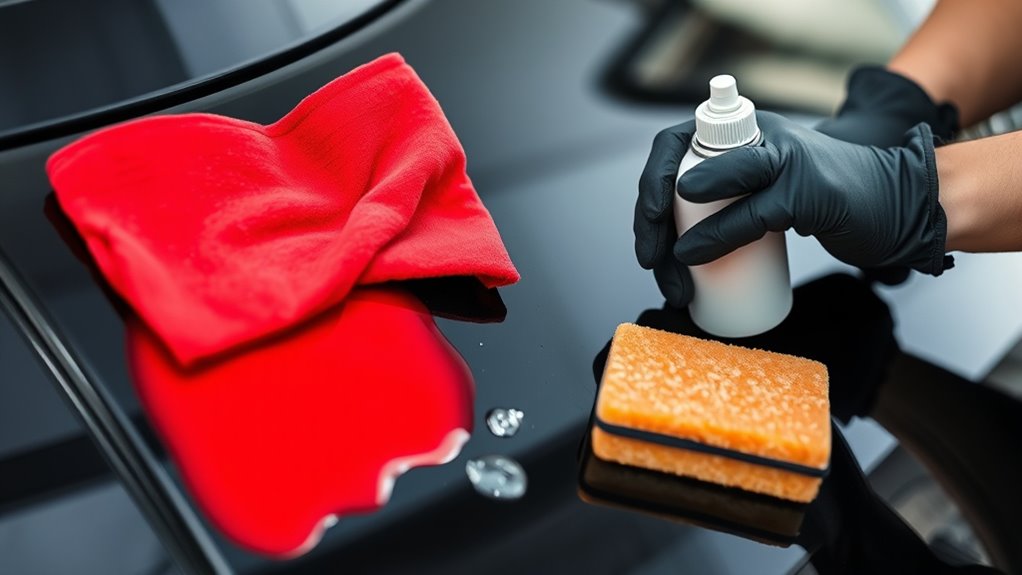
Once your car is clean and your tools are ready, you can start tackling the spray paint spots directly. Focus on a small area first to avoid spreading the paint further.
Follow these steps for effective removal:
- Wash the affected small area thoroughly to remove dirt and dry it completely.
- Apply a small amount of Butter Wet Wax to a microfiber applicator and rub it gently over the spray paint using side-to-side motions.
- For bigger spots, use a dual action polisher with a finishing pad, making slow, overlapping passes.
- Inspect the treated area under good lighting to spot any leftover paint.
- Repeat waxing or polishing as needed until the surface is smooth and glossy, then do a final cleaning and protection.
This method guarantees precise and safe spray paint removal.
Frequently Asked Questions
What Is the Best Spray Paint Remover for Cars?
You’ll find Butter Wet Wax the best spray paint remover for your car because it removes paint gently while adding a protective, glossy finish.
Just apply carefully, and you’ll restore your car’s look without damage. It’s pretty straightforward and really effective.
Does Dawn Dish Soap Remove Car Paint?
Sure, if you want to turn your car into a soap sculpture, Dawn dish soap might help—just don’t expect it to remove paint.
It’s great for dishes, not for stripping your car’s finish.
What Removes Dried Spray Paint?
You can remove dried spray paint using isopropyl alcohol, mineral spirits, or a clay bar with lubricant.
For tougher spots, try rubbing compounds or wet sanding gently, then polish to restore your car’s finish.
It might take a little patience, but these methods usually do the trick!
How Do You Remove Dried Paint From a Car?
You might think harsh chemicals are necessary, but you can remove dried paint by gently rubbing with isopropyl alcohol, clay bars, or rubbing compounds.
Then, polish the area to restore your car’s original shine and smoothness. It’s pretty simple once you know how!
Conclusion
Now that you’ve carefully removed the spray paint, your car’s looking fresh and flawless—like a classic chariot restored to its former glory. Remember, patience and the right tools made all the difference here.
If you take your time and follow these steps, you’ll protect your paint job and feel proud of your handiwork. Keep this guide handy for any future touch-ups.
By using the right spray paint removal methods, you can maintain your car’s appearance without damaging the original finish. So next time you find unwanted paint on your vehicle, you’ll know exactly how to get spray paint off your car safely and effectively. Your ride will keep turning heads like it’s straight out of a vintage postcard.