
Does Spray Paint Wash Off Clothes?
You can wash spray paint off clothes, but it really depends on the type of paint and how quickly you act.
Water-based spray paint is way easier to get out if you rinse it promptly with cold water and treat the stain right away.
Oil-based or dried spray paint is a whole different story. It bonds deeply into the fabric fibers and usually needs stronger solvents like turpentine or rubbing alcohol to break it down.
The key is acting fast and using the right cleaning method to boost your chances of success.
Keep reading to discover the best ways to tackle those stubborn spray paint stains and save your clothes!
Key Takeaways
- Water-based spray paint can often be washed off clothes if treated promptly with cold water and stain remover. It’s all about acting quickly!
- Oil-based spray paint, on the other hand, tends to sink deep into fabric fibers. That makes it way harder to get out just by washing.
- If you rinse the stain immediately and use a pre-treatment, your chances of removing spray paint stains go way up. So, don’t wait around.
- Once the spray paint dries, it bonds firmly to the fabric. That’s why it becomes really tough to remove without some extra effort.
- Sometimes, you’ll need to use solvents like turpentine or acetone to break down and lift oil-based paint stains. Just be careful with those!
Effectiveness of Removing Spray Paint From Clothes
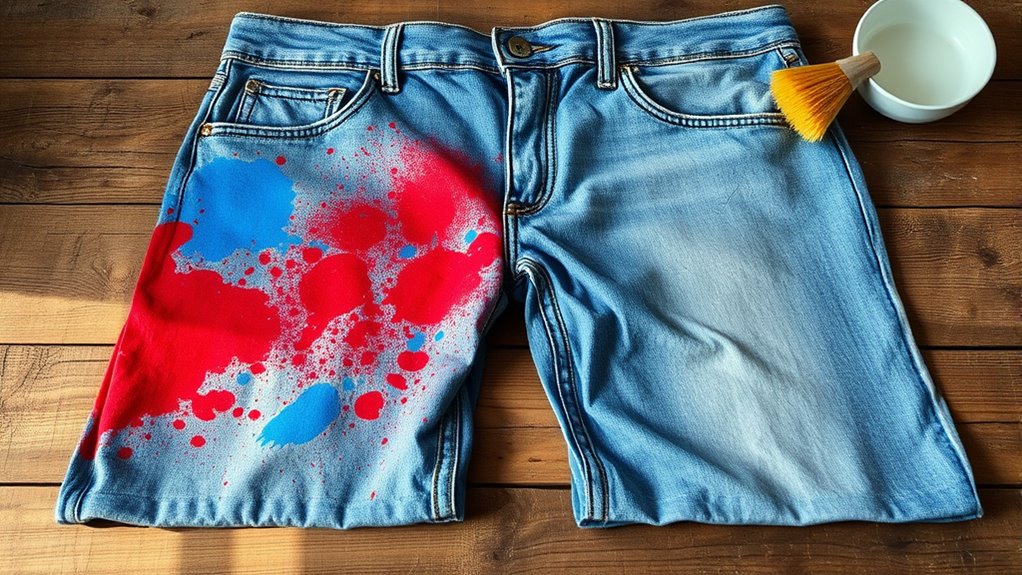
How well you can remove spray paint from clothes depends largely on the type of paint and how quickly you act. Water-based paint, like latex-acrylic, is easier to remove spray paint stains from if you rinse promptly and use a good stain remover.
Treating the stain before putting clothes in the washing machine improves stain removal success. Using cold water initially helps prevent the stain from setting, followed by warm water for washing.
However, once the paint has dried, removing it becomes much more challenging because it bonds firmly with fabric fibers. Oil-based spray paint tends to set deep, making paint out of clothes difficult even after repeated washings.
Methods and Tips for Treating Spray Paint Stains
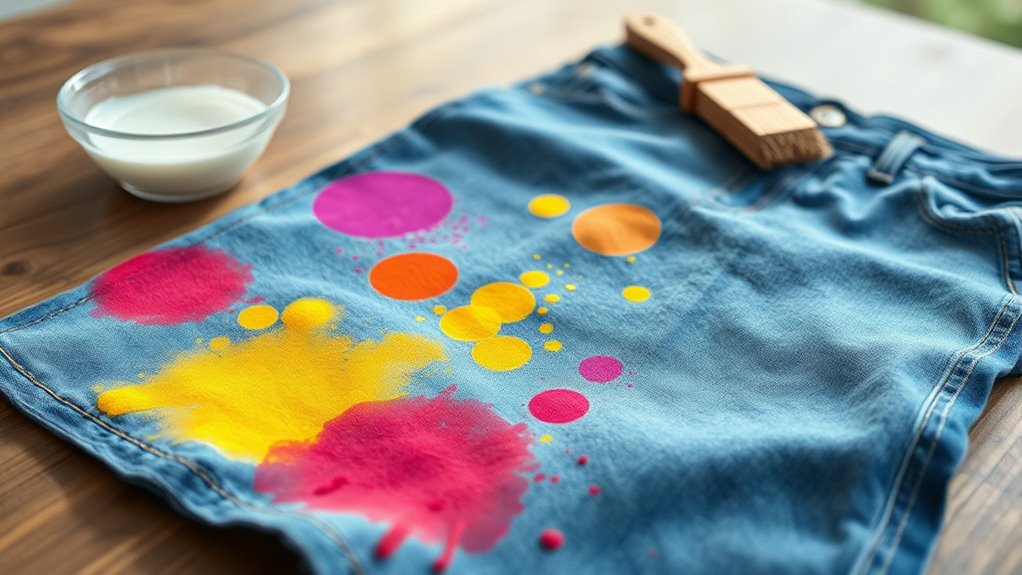
Although spray paint stains can be tough to remove, acting quickly and using the right methods can save your clothes. If you catch a water-based spray paint stain early, like latex or acrylic, rinse the fabric with cold water and soap before laundering.
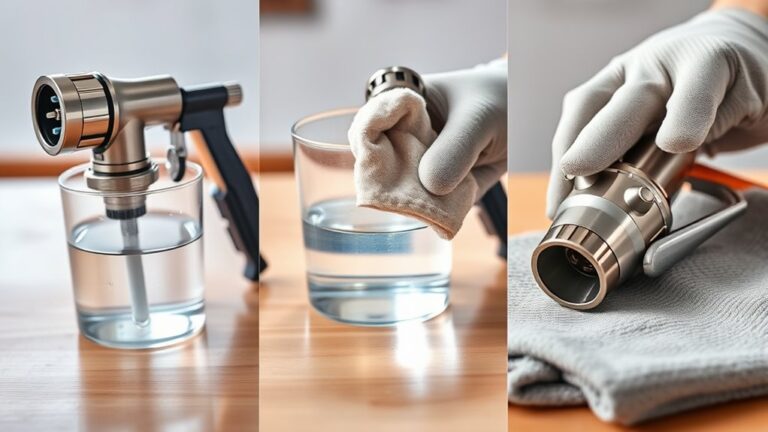
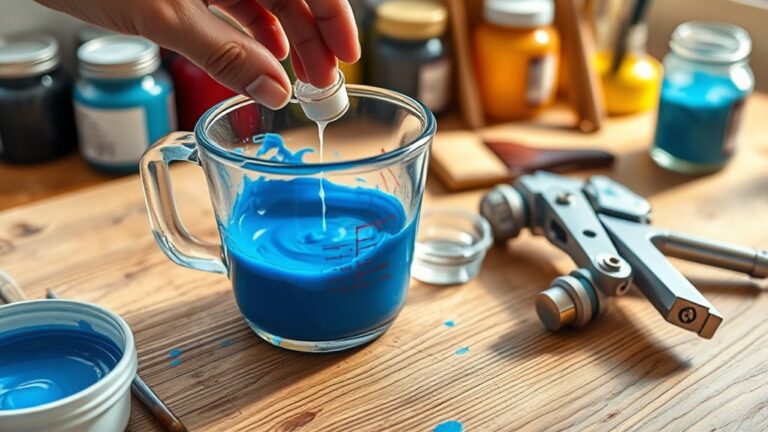
For oil-based spray paint, you’ll need a solvent such as turpentine, mineral spirits, or acetone to break down the paint before washing. Always start with a pre-treatment by scraping off excess paint and testing the solvent on a hidden fabric area to avoid damage.
Applying rubbing alcohol or WD-40 can also help with dried spray paint. Promptly treating the stain improves your chances of complete removal, so don’t delay washing after using the appropriate solvent and pre-treatment steps.
Frequently Asked Questions
Will Spray Paint Stay on Clothes?
Spray paint will usually stay on your clothes, especially oil-based types, because they bond tightly with fabric.
Water-based paints might fade or wash out if you act quickly, but most spray paint resists regular washing.
What Type of Paint Does Not Wash off on Clothing?
You’d think some paints might vanish, but oil-based spray paints—like varnish or enamel—don’t wash off clothes easily.
Once they dry, they bond tightly with fabric, making removal nearly impossible without damaging the material.
How Long Does It Take Spray Paint to Dry on Clothes?
Spray paint usually dries to the touch on clothes within 10 to 30 minutes, but it can take up to 24 hours to fully cure.
Thicker layers and humidity can extend drying time, so be patient. It’s always a good idea to let it sit a bit longer if you’re unsure.
Can You Wash a Shirt With Spray Paint on It?
You can wash a shirt with spray paint on it, but don’t count your chickens before they hatch. Act fast with cold water and detergent; dried paint often needs solvents to stand a chance of removal.
Conclusion
Removing spray paint from clothes isn’t always a walk in the park, but with the right methods, you can tackle those stubborn stains. Acting quickly and using effective treatments can make a world of difference, turning a potential disaster into a manageable mess.
Remember, patience and persistence are your best allies—like a lighthouse guiding you through a storm, they’ll help you navigate the challenge and restore your clothes to their former glory. When it comes to spray paint on clothes, the sooner you start the removal process, the better your chances of success.
So, don’t lose hope if spray paint does wash off clothes easily. With the right approach, you can remove spray paint from clothes effectively. Keep in mind that some types of spray paint might be tougher to get rid of, but a combination of quick action and proper cleaning techniques can save your garments.


10 Comments