


You can safely leave paint in your paint sprayer overnight by first thoroughly cleaning the system to prevent clogs. With water-based paints, flush the lines with water and keep hoses submerged, while oil-based paints need solvent cleaning.
Don’t forget to release the pressure and store the sprayer in a cool, dry spot. Before restarting, inspect and clean the nozzle and filters.
Taking these...
To make spray paint stick to plastic surfaces, start by cleaning the plastic thoroughly to remove dirt and oils. Lightly sand the surface with fine-grit sandpaper to create some grip, then wipe away dust and let it dry.
Next, apply a plastic-specific primer in thin, even coats to boost adhesion. Use spray paint designed for plastic, applying several light coats rather than one heavy...
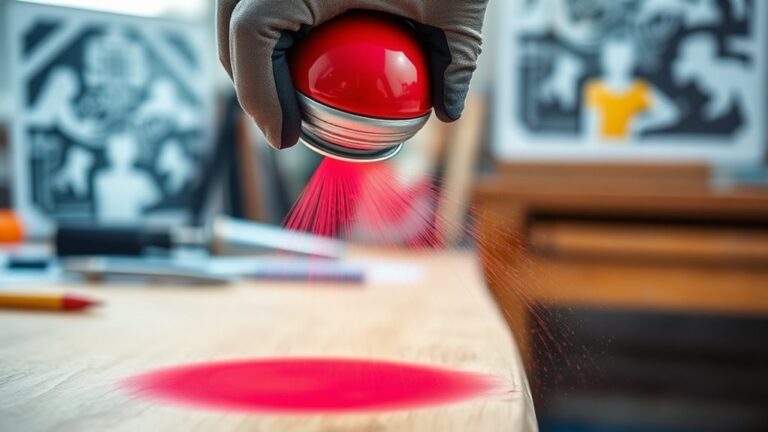
Start by thoroughly reading the spray paint instructions, then lightly sand and clean your surface to guarantee good adhesion.
Shake the can well for at least 30 seconds and test spray on scrap material. Hold the can 8 to 16 inches away, adjust the nozzle for the right pattern, and apply thin, even coats with smooth, steady strokes.
Let each layer dry before the next. Proper cleaning and...

Choosing between air and airless paint sprayers depends on your project. You’ll want air spray for detailed work and smooth finishes on furniture or trim since it offers precise control.
But if you’re covering large areas quickly with thick paint, airless sprayers boost speed and efficiency while minimizing waste. Airless costs more upfront but saves time on big jobs.
If you want to know how...
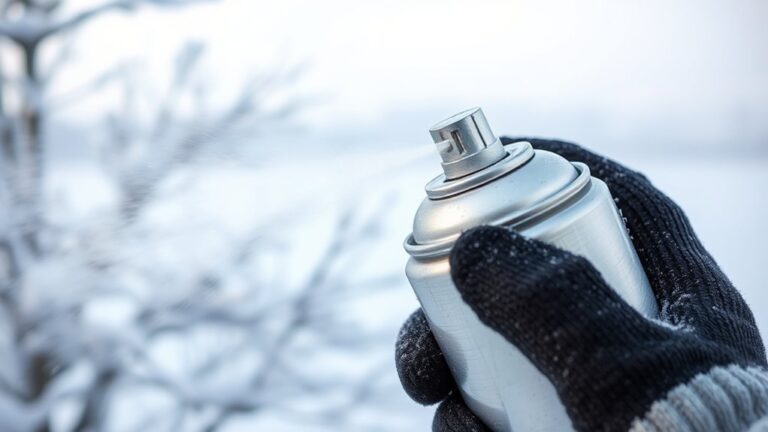
Spray paint can freeze if it’s water-based, causing clogs and uneven spray, while oil-based paints usually don’t freeze and remain usable.
To use spray paint in cold weather, keep cans warm before spraying and apply in short bursts to avoid clogging.
After painting, dry your work indoors above 50°F to guarantee proper curing.
If you want to get the best results and avoid common...

To remove spray paint from your skin in three easy steps, start by gathering natural oils like coconut or olive oil and lemon oil for cleaning.
Next, coat your skin with the oil mix and gently scrub with a soft sponge or toothbrush to lift the paint without irritating your skin.
Finally, wash off the residue using warm water and moisturizing soap, then apply lotion to soothe and...

When you spray paint a car, the paint’s pigments, binders, and solvents work together to create a smooth, durable finish. The spray gun atomizes the paint into tiny droplets, allowing even coverage.
As the solvents evaporate, the binders help pigments stick tightly to the surface, forming a solid film. Applying thin, consistent layers prevents runs and guarantees proper curing.
If you want...

To remove spray paint from plastic, start by applying a chemical paint stripper like lacquer thinner evenly to the surface. Let it sit for a few hours to soften the paint.
Then, gently rinse away with a pressure washer or soft cloth to avoid scratching. Always wear gloves and work in a ventilated area for safety.
It’s a good idea to test the stripper on a small spot first to prevent damage...

First, wear gloves and goggles for safety, then turn off and depressurize the sprayer. Prepare cleaning solution and waste buckets before gently disconnecting the hose.
Flush it thoroughly with water or solvent, using a cleaning needle or brush to remove blockages, especially around bends. Reconnect and test the flow by spraying into a container.
Regularly maintain and store the hose...