Author: Admin

  • How to Do Unclog a Spray Paint Can Quickly

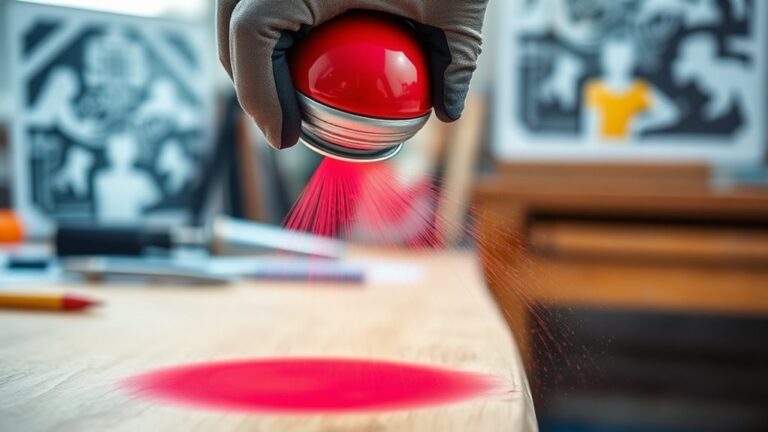
    To quickly unclog your spray paint can, start by shaking it vigorously for at least 60 seconds to remix the paint and propellant. Then, remove the nozzle and soak it in paint thinner for 10-15 minutes to dissolve dried paint.

    Use a pin to carefully clear the spray hole, and try spraying briefly with the can turned upside down to clear any leftover blockage. Keep your nozzle clean after each use, and store cans properly to avoid clogs.

    If you want to master this, there’s more you can do to keep your paint flowing smoothly. It’s all about regular care and a bit of patience!

  • How You Can Safely Leave Paint in a Paint Sprayer Overnight

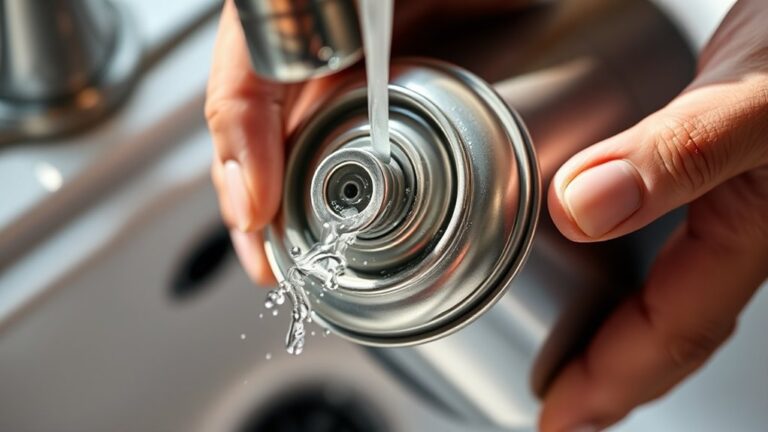
    You can safely leave paint in your paint sprayer overnight by first thoroughly cleaning the system to prevent clogs. With water-based paints, flush the lines with water and keep hoses submerged, while oil-based paints need solvent cleaning.

    Don’t forget to release the pressure and store the sprayer in a cool, dry spot. Before restarting, inspect and clean the nozzle and filters.

    Taking these steps helps maintain your equipment and guarantees smooth use next time. Keep going to discover tips tailored to your paint type.

  • How to Make Spray Paint Stick to Plastic Surfaces

    To make spray paint stick to plastic surfaces, start by cleaning the plastic thoroughly to remove dirt and oils. Lightly sand the surface with fine-grit sandpaper to create some grip, then wipe away dust and let it dry.

    Next, apply a plastic-specific primer in thin, even coats to boost adhesion. Use spray paint designed for plastic, applying several light coats rather than one heavy one.

    Follow these steps carefully, and you’ll get a smooth, durable finish that lasts longer. There’s more to know for perfect results, but this will definitely get you started!

  • How Do I Spray Paint in 10 Easy Steps

    Start by thoroughly reading the spray paint instructions, then lightly sand and clean your surface to guarantee good adhesion.

    Shake the can well for at least 30 seconds and test spray on scrap material. Hold the can 8 to 16 inches away, adjust the nozzle for the right pattern, and apply thin, even coats with smooth, steady strokes.

    Let each layer dry before the next. Proper cleaning and drying help maintain your finish.

    Keep going, and you’ll discover all the tips for a flawless result.

  • Which Is Better: Air or Airless Paint Sprayer?

    Choosing between air and airless paint sprayers depends on your project. You’ll want air spray for detailed work and smooth finishes on furniture or trim since it offers precise control.

    But if you’re covering large areas quickly with thick paint, airless sprayers boost speed and efficiency while minimizing waste. Airless costs more upfront but saves time on big jobs.

    If you want to know how to pick the best sprayer for your needs, keep exploring the options.

  • Can Spray Paint Freeze and How to Use It in Cold Weather

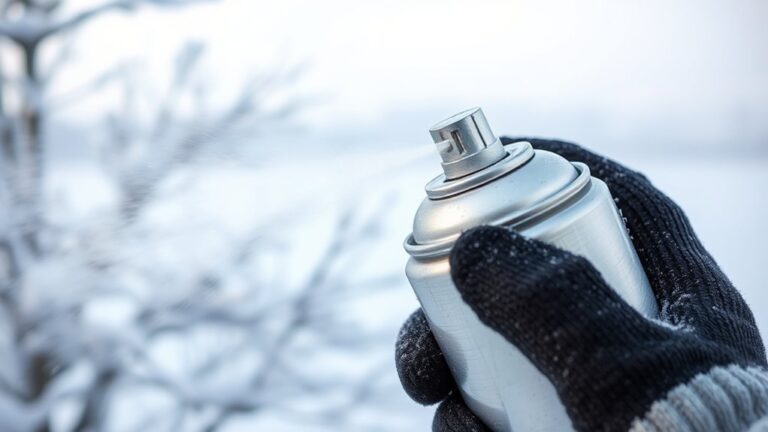
    Spray paint can freeze if it’s water-based, causing clogs and uneven spray, while oil-based paints usually don’t freeze and remain usable.

    To use spray paint in cold weather, keep cans warm before spraying and apply in short bursts to avoid clogging.

    After painting, dry your work indoors above 50°F to guarantee proper curing.

    If you want to get the best results and avoid common cold-weather issues, there are some easy steps you can follow.

  • How to Do Remove Spray Paint From Skin in 3 Easy Steps

    To remove spray paint from your skin in three easy steps, start by gathering natural oils like coconut or olive oil and lemon oil for cleaning.

    Next, coat your skin with the oil mix and gently scrub with a soft sponge or toothbrush to lift the paint without irritating your skin.

    Finally, wash off the residue using warm water and moisturizing soap, then apply lotion to soothe and hydrate.

    Keep these tips in mind, and you’ll find even more ways to care for your skin effectively.

  • How Does Spray Paint for Cars Work?

    When you spray paint a car, the paint’s pigments, binders, and solvents work together to create a smooth, durable finish. The spray gun atomizes the paint into tiny droplets, allowing even coverage.

    As the solvents evaporate, the binders help pigments stick tightly to the surface, forming a solid film. Applying thin, consistent layers prevents runs and guarantees proper curing.

    If you want to master this process, understanding the right preparation and finishing steps is key. It’s all about getting those details right!

  • How Do I Remove Spray Paint From Plastic?

    To remove spray paint from plastic, start by applying a chemical paint stripper like lacquer thinner evenly to the surface. Let it sit for a few hours to soften the paint.

    Then, gently rinse away with a pressure washer or soft cloth to avoid scratching. Always wear gloves and work in a ventilated area for safety.

    It’s a good idea to test the stripper on a small spot first to prevent damage. Keep following for more tips on protecting your plastic while removing paint effectively.