Author: Admin

  • How You Can Spray Paint Rims Step by Step

    You start by removing your rims and cleaning them thoroughly to remove dirt. Then, carefully mask off areas you don’t want painted, like tires and valve stems, using painter’s tape and protective coverings.

    Next, apply two coats of primer, letting it dry between each. Once primed, spray your chosen paint in light, even coats for an even finish.

    Finish by adding clear coats for shine and protection. Keep going to uncover tips for a flawless, professional look.

  • How to Thin Paint for an Airless Sprayer in 7 Easy Steps

    To thin paint for an airless sprayer, first gather clean containers, strainers, and measuring tools. Stir your paint well, then strain it to remove lumps.

    Choose the right thinner—water for latex or the recommended solvent for oil-based paints—adding it gradually while mixing thoroughly.

    Test your mix by spraying on scrap material. Adjust thinning as needed for smooth, even coverage.

    Following these steps guarantees a clog-free spray. Keep going to uncover expert tips for perfect results!

  • How You Spray Paint PVC Pipe Step by Step

    To spray paint PVC pipe, first sand it with 220-grit sandpaper to dull the glossy surface. Then clean off the dust and wipe it down with acetone to remove any oils.

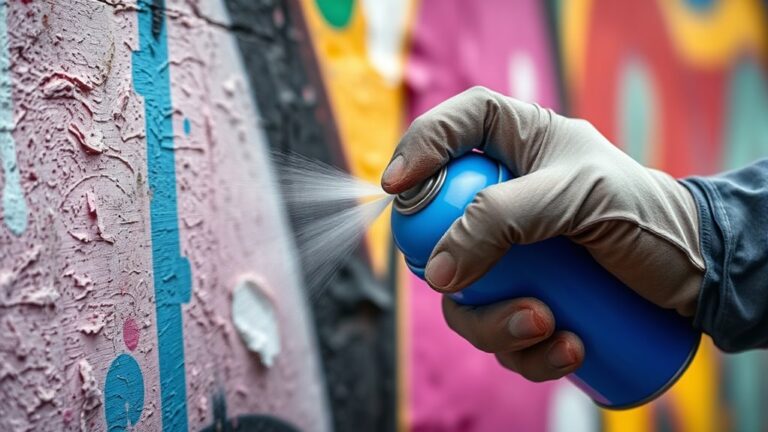
    Hold the can about 6-12 inches away and spray in smooth, overlapping strokes. It’s better to apply several light coats instead of one heavy layer.

    Let each coat dry for 20-30 minutes before adding the next. Finally, cure the last coat for at least 24 hours.

    Following these steps will help you get a smooth, durable finish. Keep reading for more tips to perfect the process!

  • How You Can Spray Paint Pool Noodles Safely

    You can spray paint pool noodles safely by working in a well-ventilated area or outdoors and wearing a paint respirator mask, safety glasses, and gloves.

    Make sure to clean and dry the noodles thoroughly before you start, and use spray paint made specifically for plastics.

    Apply thin, even coats and let each layer dry fully. Don’t rush this part!

    Protect your workspace with drop cloths and stay clear of heat sources while painting.

    If you want to guarantee the best results and safety steps, there’s more to explore. Just take it step by step!

  • How to Clean an Oil-Based Paint Sprayer in 10 Easy Steps

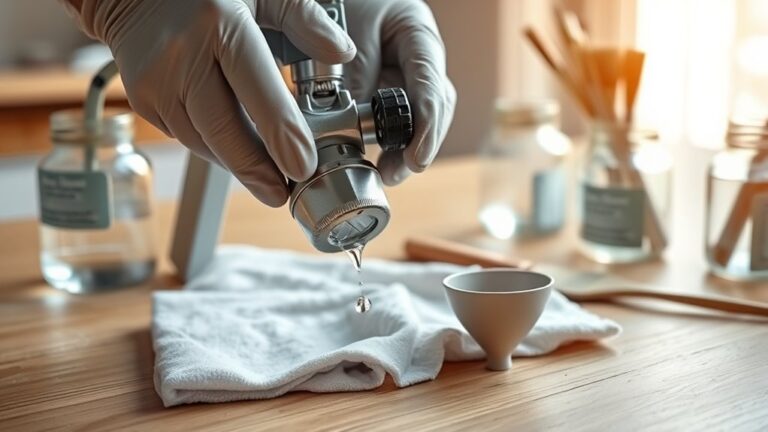
    To clean your oil-based paint sprayer, first turn it off, unplug it, and disassemble the spray gun by removing the tip and nozzle. Choose mineral spirits as your solvent, and make sure to wear protective gear in a well-ventilated area.

    Next, soak and scrub the parts thoroughly. Then, flush the system with clean solvent for about 20-30 seconds to clear out any leftover paint.

    Once everything is dry, reassemble the sprayer. Take a moment to inspect it for any leftover paint, and store the sprayer properly.

    Follow these steps carefully to keep your sprayer working smoothly and avoid any damage. It’s easier than you might think!

  • How You Can Spray Paint Plastic Step by Step

    To spray paint plastic, first clean the surface with soap and water, then let it dry completely. Lightly sand with fine-grit paper to help the paint adhere, wiping away dust afterward.

    Next, apply a plastic-specific bonding primer and let it dry fully. Hold the spray can 8-12 inches away, spraying light, even coats, allowing each layer to dry before the next.

    Patience and proper prep ensure a smooth, lasting finish. Keep going to uncover tips for perfecting your technique.

  • How You Spray Paint Over Spray Paint: Step-by-Step Guide

    To spray paint over existing spray paint, first make sure the old paint is fully dry and cured—wait at least 24 hours. Remove any peeling areas, then lightly sand the surface with 100-220 grit sandpaper to promote adhesion.

    Clean thoroughly with a damp cloth or isopropyl alcohol to remove dust and grease. If the surface is glossy, apply a primer before spraying light, even coats of your new paint.

    Follow drying times between coats for the best results. Keep going to master each step for a flawless finish.

  • How to Thin Paint for HVLP Sprayer in 7 Easy Steps

    To thin paint for your HVLP sprayer, start by gathering the right materials and tools, including a suitable thinner and a viscosity cup.

    Stir your paint thoroughly, then add thinner gradually while mixing well. Use a #4 Ford cup to test viscosity, aiming for about 50 seconds flow time.

    Strain the paint before pouring it into your sprayer, then perform a test spray and adjust as needed.

    Follow these steps closely, and you’ll achieve a smooth, even finish every time.

    More tips can help you perfect your technique.

  • How You Spray Paint Over Rust Step by Step

    Start by wiping the rusted metal clean with a dry cloth to remove loose debris, then scrub with a wet metal scrubber or SOS pad. Sand the area smoothly with fine grit sandpaper, rinse thoroughly, and dry completely.

    Next, apply a rust-inhibiting primer in light, even coats, letting it dry fully. Spray paint over the primer in several thin, uniform layers, holding the can about a foot away.

    To protect your work, finish with a clear coat. Keep following to uncover more detailed tips for a perfect finish.