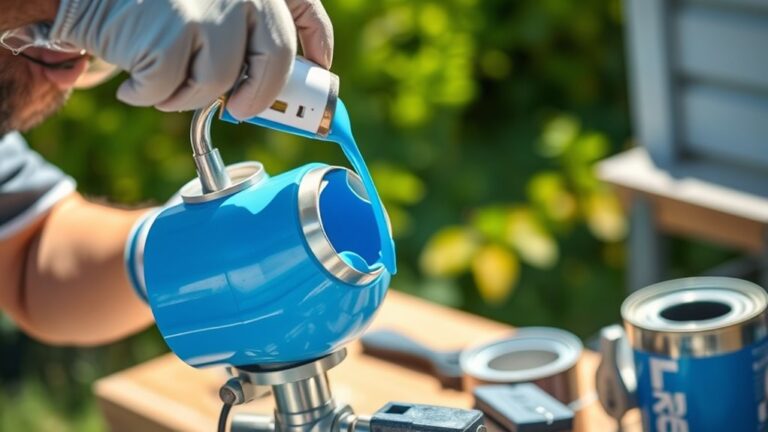
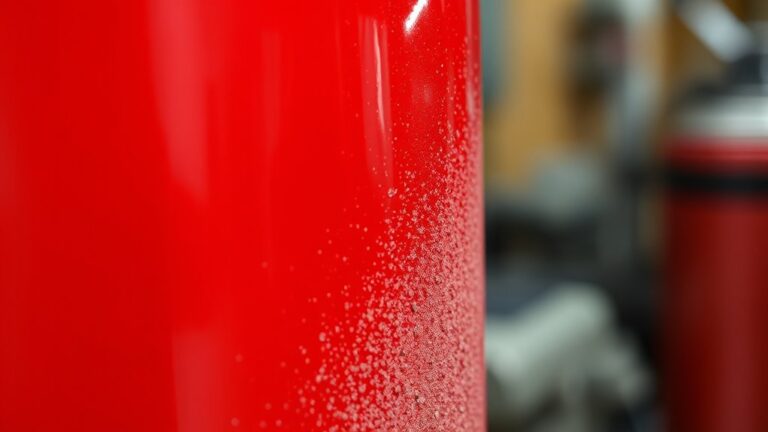
How You Paint on Top of Spray Paint Step by Step
First, make sure the spray paint is completely dry and cured by waiting at least 24 hours. This step is crucial because painting over wet spray paint can cause smudging or peeling later on.
Next, lightly sand the painted surface with fine-grit sandpaper. This helps create a better grip for the new paint to stick to, giving you a smoother finish.
After sanding, clean away any dust, oils, and residue using rubbing alcohol or a surface prep solvent. Cleaning well ensures your new paint adheres properly without bumps or rough spots.
Then, mask off nearby areas to protect them from accidental paint splashes. Now, apply thin, even coats of your new paint.
Be patient and let each coat dry before adding the next one.
Follow these steps carefully, and you’ll get a professional finish every time. Keep experimenting with different prep and application tips to master painting over spray paint like a pro!
Key Takeaways
- Wait at least 24 hours for the spray paint to fully dry and cure before applying additional paint.
- Lightly sand the spray-painted surface with fine-grit sandpaper to create a rough texture for better paint adhesion.
- Clean the surface thoroughly with rubbing alcohol or surface prep solvent to remove dust, oils, and residues.
- Apply a suitable primer if needed to ensure proper adhesion and smooth uneven finishes before painting.
- Use thin, even coats of paint, allowing each coat to dry completely before applying the next for a smooth finish.
Preparing the Surface for Painting

Before you start painting over spray paint, make sure the surface is completely dry and cured. This usually takes at least 24 hours.
Ensure the spray paint is fully dry and cured before painting over it, typically after 24 hours.
Proper surface preparation is key to a smooth finish. First, lightly sand the spray-painted area with fine-grit sandpaper (100-220 grit) to create a rough texture for better paint adhesion.
Make sure the surface feels dry to the touch before you proceed. Next, clean the surface thoroughly using a surface prep solvent or rubbing alcohol to remove dust, oils, and residues.
Use a lint-free cloth for effective surface cleaning and remove dust completely. If you notice any peeling or bubbling, sand or scrape those spots to smooth the base.
Finally, mask off surrounding areas with painter’s tape and plastic sheeting to protect them during painting. This will help keep your work neat and tidy.
Applying Paint Over Existing Spray Paint

Once the surface is properly prepped and fully dry, you can start applying paint over the existing spray paint. First, make sure the spray paint is completely dry and cured—this usually takes 24 hours or more.
You’ll want to lightly sand the surface with fine-grit sandpaper to improve adhesion. After sanding, clean the area thoroughly to remove dust and oils.
Applying a suitable primer is essential, especially if the spray paint has uneven finishes or you’re covering graffiti. Use the primer to enhance adhesion between layers.
When you paint, apply thin, even coats, letting each coat dry fully before adding the next. This approach ensures a smooth, durable finish.
And remember, multiple coats often provide better coverage and longevity when painting over spray paint. So, take your time and build up those layers for the best results!
Frequently Asked Questions
Can I Paint on Top of Spray Paint?
Yes, you can paint over spray paint once it’s fully dry. Just clean the surface and lightly sand it to help the new paint stick better.
After that, apply a compatible primer before you start painting. Use light coats of paint for the best results.
It’s a good idea to test a small area first. That way, you can make sure the paint adheres properly and avoid any issues.
Do You Need a Clear Coat Over Spray Paint?
Yes, you should apply a clear coat over spray paint to protect it from scratches and fading.
Wait 24 hours first, then use thin, even layers for the best durability and a smooth, professional finish. It really makes a difference!
How Long Until You Can Paint Over Spray Paint?
You can paint over spray paint after waiting at least 24 hours for it to dry.
But for the best results, it’s a good idea to wait up to 30 days. This way, the paint fully cures and bonds strongly with your topcoat.
How to Paint on Spray Paint?
You’ll want to sand the spray paint lightly, clean it well, then apply a compatible primer if needed.
After it dries, paint with thin, even coats, letting each layer dry before adding the next.
This way, your paint job will look smooth and last longer. Just take your time, and you’ll get great results!
Conclusion
Now that you’ve prepped your surface and applied paint over spray paint, you’re ready to let your creativity shine. Remember, patience and careful layering are your best friends—think of your work as a garden that needs time to bloom.
With each brushstroke, you’re transforming a plain canvas into a masterpiece. Keep these steps in mind, and you’ll always paint with confidence and flair, turning any project into a work of art. Painting on top of spray paint isn’t just about covering a surface; it’s about enhancing it with your unique touch.
So, take your time, layer your colors thoughtfully, and enjoy the process. When you follow these tips for how to paint on top of spray paint, your finished piece will look vibrant and professional every time.