


To thin paint for a sprayer, start by measuring about 10% thinner based on your paint volume and pour it into a clean container. Stir the mix thoroughly for uniform consistency, then strain it to remove lumps or debris.
Next, test the paint by spraying a small area to check for smooth flow and coverage. If it’s not quite right, add thinner in small increments until you get the perfect...

You can safely leave water-based paint in your sprayer overnight by first lowering the pressure and turning off the machine. Make sure to keep the spray tip and hoses submerged in water or a cleaning solution to prevent the paint from drying inside.
Store the sprayer in a cool, dry place away from sunlight and extreme temperatures. Avoid leaving oil-based paints without cleaning to prevent...
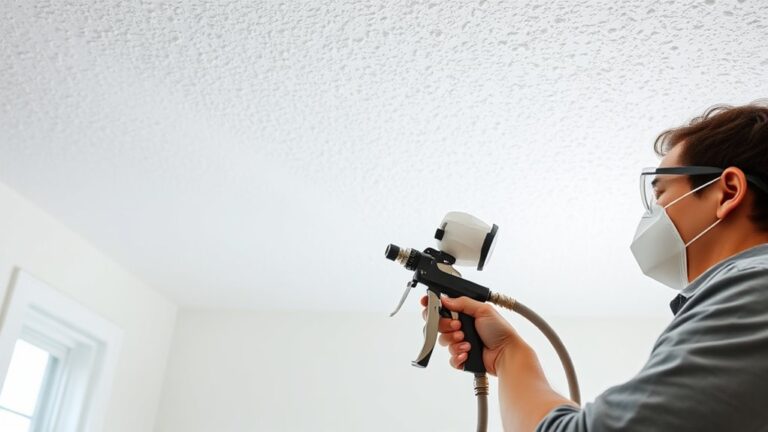
To paint a popcorn ceiling with a sprayer, first protect your floors, furniture, and fixtures using drop cloths and painter’s tape to avoid mess.
Next, apply a light, even coat of water-based primer with the sprayer held 12-18 inches from the surface. Once the primer dries, follow up with a latex ceiling paint.
Finally, let it fully dry before removing coverings and cleaning up. Keep...
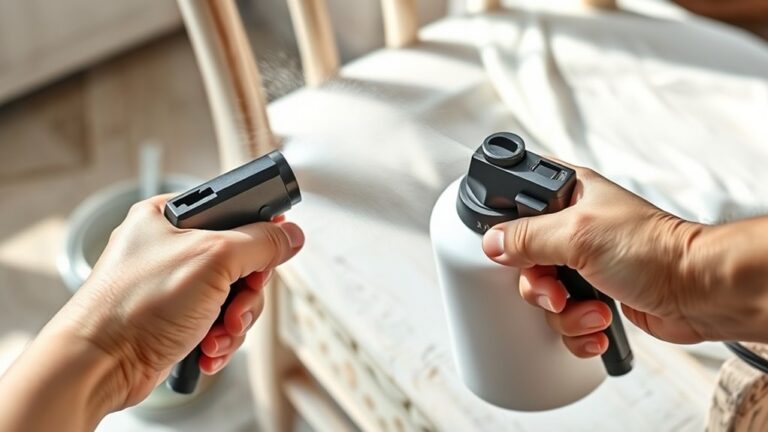
To use chalk paint in a sprayer, start by filling the spray gun’s cup halfway and thinning the paint with water until it flows smoothly. Strain the paint to avoid clogs, then connect and adjust your sprayer for an even pattern.
Hold the gun 10-12 inches from the surface, spraying light, overlapping coats. Allow drying between layers and wait before sealing the project.
Follow these steps for...
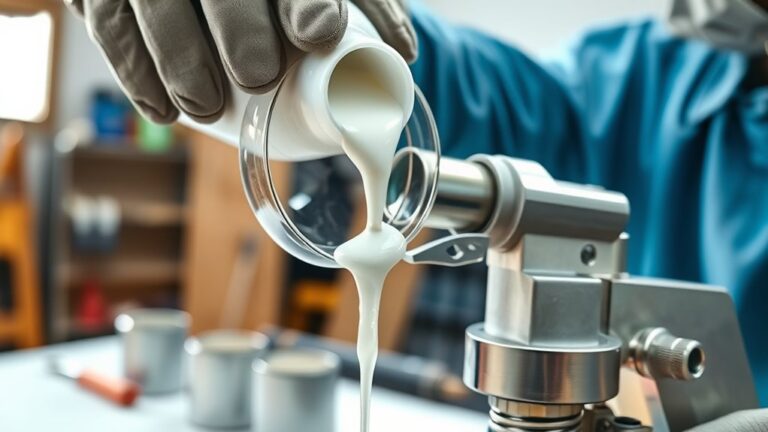
To use primer in a paint sprayer, first clean your sprayer and prepare the primer per instructions. Fit the right spray tip and test the spray on cardboard, adjusting pressure and pattern for even flow.
When you're ready, hold the sprayer 10-12 inches from the surface. Spray with smooth, overlapping strokes, and keep the gun perpendicular.
Make sure to maintain steady pressure to avoid drips...
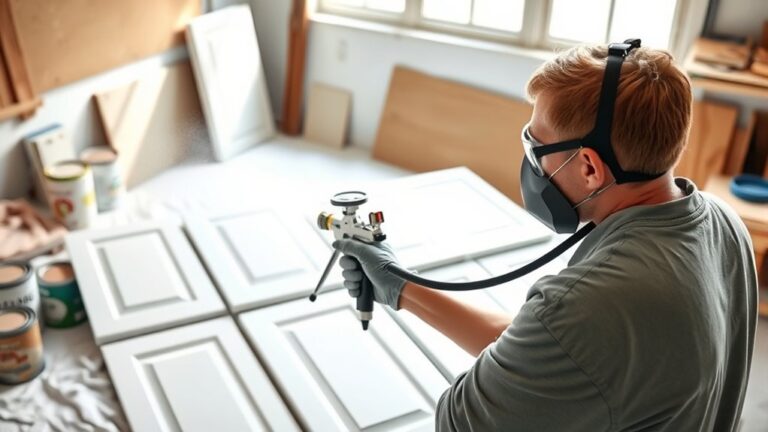
To paint cabinets with a sprayer in 7 easy steps, start by removing doors, drawers, and hardware. Then, clean and sand surfaces thoroughly.
Mask nearby areas to protect them from overspray. It's a good idea to mix and test your paint sprayer for even flow before you begin.
Apply thin, overlapping coats, sanding lightly between each for a smooth finish. This helps achieve that professional...
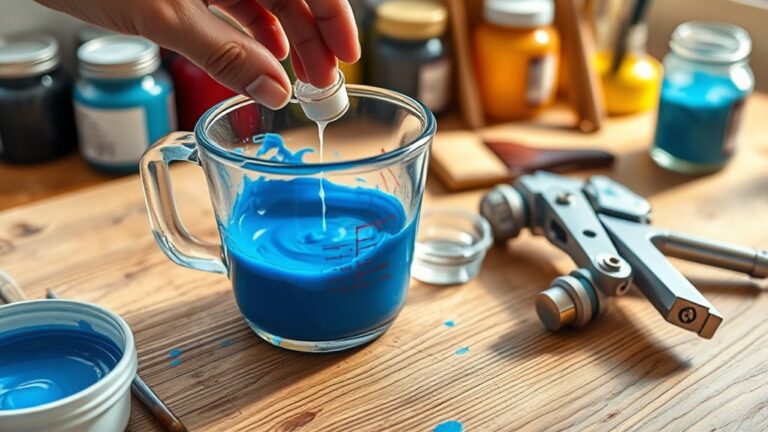
To dilute paint for a sprayer, first pick water-based paint and primer made for sprayers for smooth application. Stir your paint well to mix it evenly.
Then, slowly add water bit by bit, stirring each time, until the paint flows smoothly off a stir stick. Test the flow to avoid clogs or drips.
Finally, filter the paint before filling your sprayer to catch lumps. Keep these steps in mind, and...

If you want smooth, even cabinet finishes, the Wagner FLEXiO 590 offers great value with versatile nozzles and adjustable airflow. It’s perfect for DIY projects.
For a flawless, professional look, try the Graco Magnum X5 or X7. These models are known for their accuracy and durability.
If you’re on a budget or tackling small makeovers, the Wagner Control Spray Max is lightweight and simple to...

You’ll cover large areas up to three times faster with a paint sprayer, getting a smooth, even finish that rollers struggle to match.
Sprayers let you paint tight spots and detailed trim with precision, reducing mess and cleanup. They handle textured surfaces easily and allow quick color changes, keeping your project flowing smoothly.
If you want to boost efficiency and get...